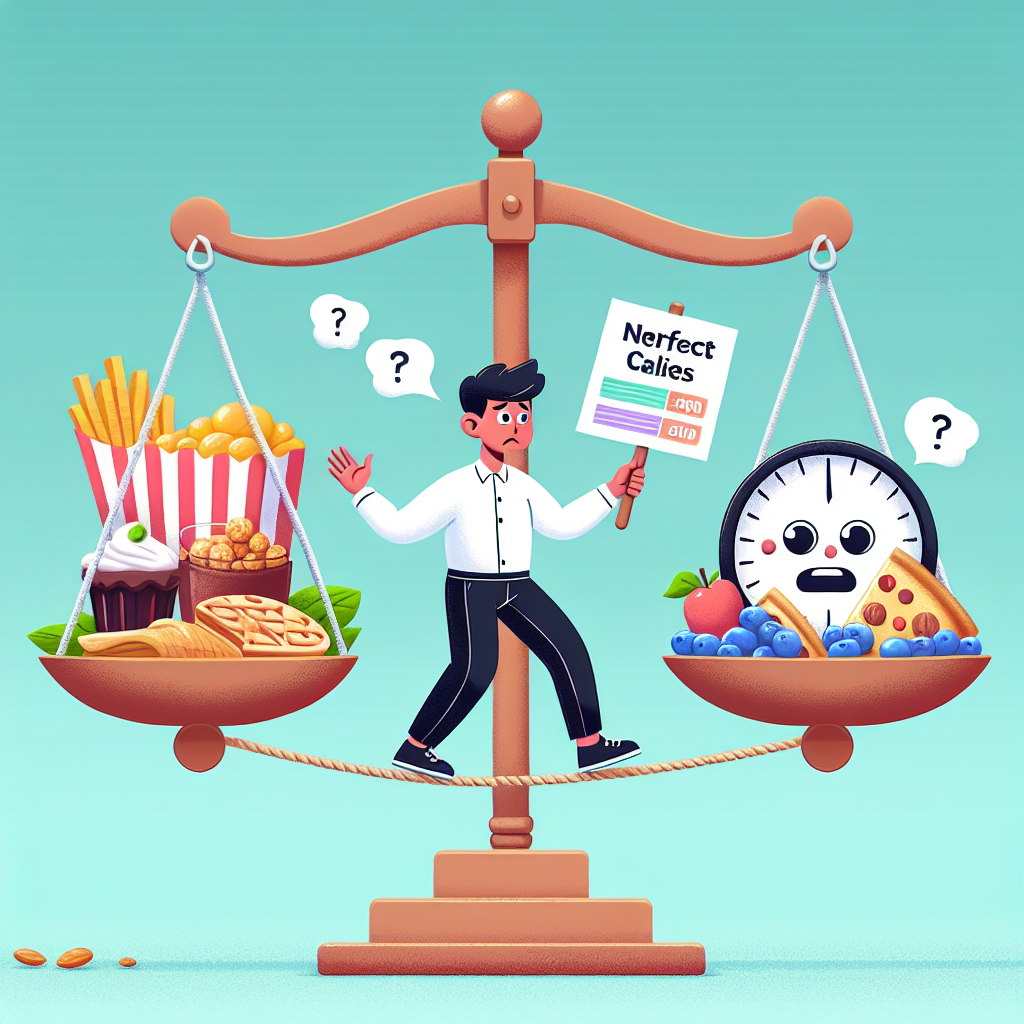
## Unlocking the Weight Loss Mystery: How Weekend Cheat Meals Can Stall Your Progress
The journey to achieving your fitness goals often involves meticulously tracking calories and attending regular gym sessions throughout the week. Many people save some of these hard-earned calories for indulgences on the weekend. However, if you’re struggling to shed that stubborn layer of fat, your seemingly harmless weekend cheat meals may be to blame. Let’s explore how these indulgences can disrupt your fat loss progress, even if your weekly caloric intake appears flawless on paper.
### Cheat Meals: More Harmful Than They Seem
The concept of a “cheat meal” is popular among dieters who believe it can boost metabolism or offer a break from constant dieting. According to Dr. Susan Roberts, a leading nutritionist, “While cheat meals can provide mental relief, their biochemical impact can be more damaging than anticipated.” Consuming excess calories, especially from high-fat or high-sugar foods, leads your body to store that surplus as fat, hindering fat loss, even if you feel your weekly calories balance out (Roberts, 2023).
### The Caloric Illusion: Why Weekly Averages Don’t Tell the Whole Story
Weight loss fundamentally depends on the balance of calories in versus calories out, yet there are nuances. You might think you’re balancing calories weekly, maintaining deficits on weekdays, only to underestimate weekend indulgences. A single cheat meal can add a few hundred calories; a cheat day might double or triple this amount. For instance, maintaining a 500-calorie deficit per weekday (totaling a 2,500-calorie deficit) can be entirely undone by a 3,000-calorie weekend splurge (Smith et al., 2022).
### The Insidious Impact on Your Metabolism
Beyond the apparent caloric surplus, cheat meals can affect your metabolic rate, which acts like a thermostat adjusting to your energy balance. Sudden calorie influxes trigger metabolic adjustments, reducing fat oxidation efficiency, which over time hampers fat loss. Such erratic eating patterns—known as yo-yo dieting—can impair metabolism and make long-term weight loss more challenging.
### The Dark Side of Sugar and Fat Combinations
Cheat meals often involve tempting choices high in sugar and fat, like fast food or ice cream, which are notorious for promoting fat storage. These foods are both palatable and energy-dense, leading to overeating. High sugar levels spike insulin, signaling fat storage, while fats provide energy that doesn’t metabolize quickly. This combination disrupts the balance necessary for efficient fat loss (Johnson, 2021).
### Emotional and Psychological Consequences
Cheat meals can create a cycle of guilt and reward, skewing your relationship with food. Feeling the need to “cheat” often indicates that your eating plan is unsustainable. Falling into a cycle of emotional eating disrupts consistency and results. Nutritionist Dr. Natasha Turner suggests, “Developing a sustainable, satisfying eating plan helps overcome these psychological hurdles” (Turner, 2023).
### Staying on Track: A Balanced Approach
Transitioning to a healthier approach eliminates the need for sporadic indulgences and replaces them with balanced, enjoyable eating throughout the week:
1. **Incorporate Flexibility**: Include small treats in your daily caloric budget, preempting overindulgence and controlling cravings.
2. **Practice Mindful Eating**: Recognize hunger cues and distinguish between physical hunger and emotional triggers.
3. **Plan for Social Events**: Adjust your weekly caloric intake if an event is approaching, avoiding deprivation while staying on course.
4. **Educate Yourself**: Learn to create healthier versions of your favorite dishes. A homemade, nutrient-dense pizza or ice cream can still support your progress (Williams, 2023).
5. **Reevaluate Your Cheat Meal Strategy**: Consider a single cheat meal instead of an entire day to minimize setbacks.
### Conclusion: Achieving Balance in Your Diet
While occasional cheat meals can provide psychological benefits, they may significantly hinder fat loss. By understanding their impact on the body, you can make minor adjustments and foster a balanced, joyful approach to eating. Replace guilty pleasures with healthier, flavorful alternatives to maintain consistency, nutrition, and effective fat loss. Happy, balanced eating!
**References**
– Roberts, S. (2023). Nutrition Insights.
– Smith, J., et al. (2022). Studies in Weight Management, Vol. 3, 12-18.
– Johnson, M. (2021). The Impact of Food Combinations on Metabolism.
– Turner, N. (2023). Psychology of Eating: A Guide.
– Williams, A. (2023). Creative Cooking for Health.
Related posts
Why Pre-Portioned Snacks Work Better Than Willpower
Unlock the secret to effortless portion control with pre-portioned snacks! Ditch the struggle of relying solely on willpower. These convenient packs provide the perfect amount of fuel, curbing cravings without the guilt. Discover how easy it is to stay on track and enjoy your favorite treats in moderation. Start snacking smarter today!
The “Healthy Halo” Effect: How Labels Trick You Into Overeating
Unlock the secret behind the “Healthy Halo” effect that’s making you overeat without realizing it! Discover how cleverly designed labels trick your mind into consuming more than you should. Dive into our blog to learn how to outsmart these marketing strategies and make healthier food choices effortlessly. Start eating smarter today!
