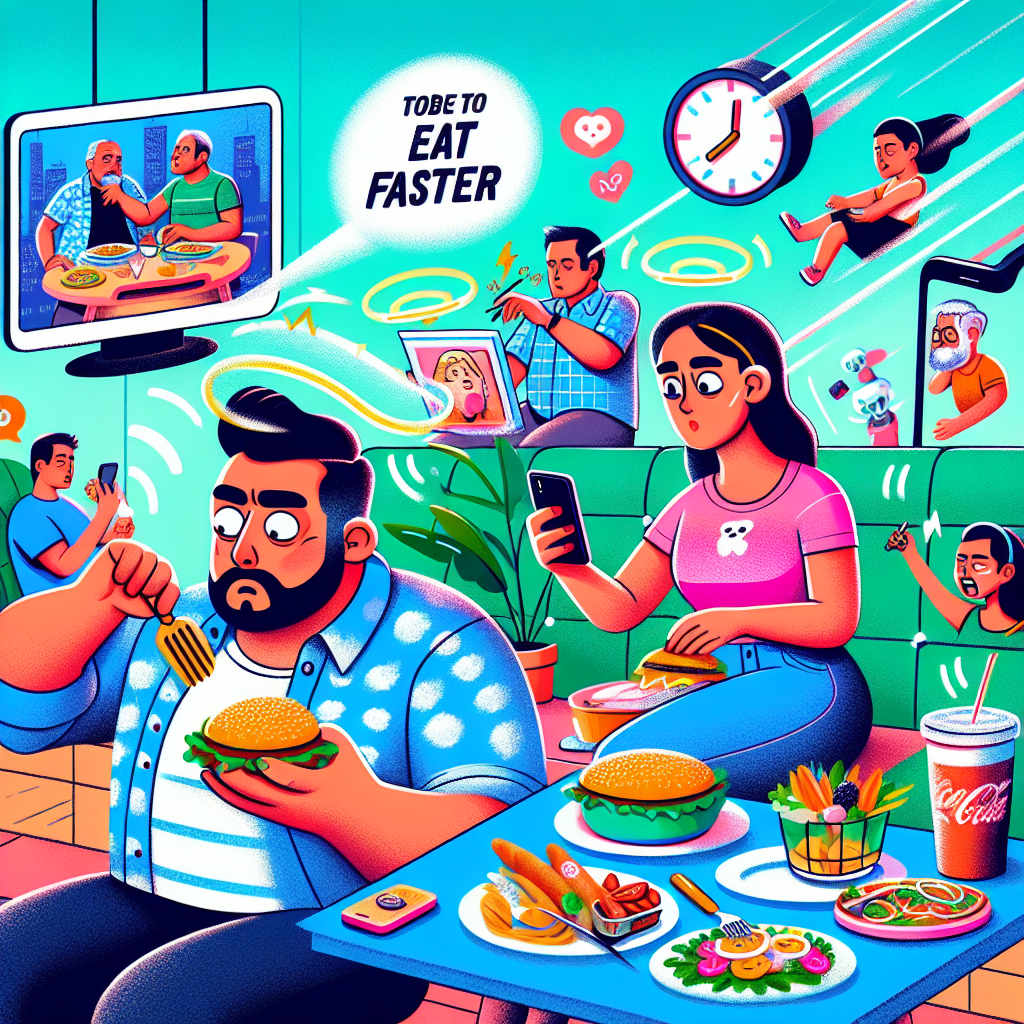
### Why You Eat Faster When Distracted
In our fast-paced world, multitasking has become the norm rather than an exception. From working lunches to scrolling through social media during dinner, eating while distracted is increasingly common. However, this seemingly harmless habit can significantly impact how we eat and ultimately affect our health. By understanding why we eat faster when distracted and the consequences thereof, we can make more mindful choices regarding food.
### The Myth of Effective Multitasking
One of the primary reasons we eat faster when distracted is the myth of effective multitasking. Many people believe they can handle multiple tasks simultaneously without compromising efficiency. However, studies consistently show that multitasking divides our attention and diminishes overall effectiveness. According to Dr. Susan Albers, a clinical psychologist specializing in eating behaviors, “When multitasking, your focus is split, making eating an afterthought rather than the primary activity.” This means our minds are not fully engaged in the sensory experience of enjoying a meal, leading us to rush through it and potentially overeat.
### The Science Behind Distracted Eating
Several scientific studies have explored the phenomenon of distracted eating. Research has found that distractions impair our ability to regulate food intake. For instance, one study published in the American Journal of Clinical Nutrition revealed that individuals who eat while watching TV consumed 25% more calories than those who ate without such distractions. The reason is simple: distractions keep us from recognizing hunger and fullness cues.
When engaged in activities like watching television, browsing the internet, or reading a book during meals, our focus shifts from eating to the distracting activity. This reduced focus delays the body’s recognition of fullness signals, causing us to eat more before realizing we’re full.
### The Role of Sensory Experience
Eating is not just a biological process; it’s also a sensory experience involving sight, smell, taste, and even the sounds of eating. When distracted, the sensory experience is diminished, leading to faster eating because the brain’s pleasure mechanism derived from food is less engaged. Consequently, people may eat in larger quantities to satisfy the satisfaction they missed while being distracted.
Furthermore, eating quickly often results in missing the nuanced flavors and textures of food, which may contribute to overeating. When the taste experience is blunted, individuals are less likely to feel satisfied after a meal and may eat more to fulfill their cravings.
### The Consequences of Eating Faster When Distracted
Eating faster when distracted has far-reaching consequences. One immediate effect is the likelihood of overeating, as previously discussed. Overeating can lead to weight gain and obesity, which are risk factors for numerous health issues, including heart disease, diabetes, and certain cancers.
Additionally, eating quickly while distracted can impair digestion. Consuming food too fast can lead to swallowing increased amounts of air, causing discomfort and bloating. Inadequate chewing means that larger pieces of food reach the stomach, making it harder for digestive enzymes to break down, potentially leading to indigestion.
The psychological effects are also notable. Eating distractedly can foster a less mindful approach to meals, reducing overall satisfaction and increasing stress levels. Over time, this can create an unhealthy relationship with food, where meals become more about functionality than enjoyment.
### Strategies to Combat Distracted Eating
Given these consequences, it’s vital to explore strategies to combat distracted eating. While our lifestyles might tempt us to eat while multitasking, there are ways to cultivate more mindful eating habits. Embracing mindfulness involves fully focusing on your eating experience without technological interference or other distractions.
– **Designate Eating Times and Spaces:** Establish a routine where meals are enjoyed at specific times and places, encouraging a focus solely on eating.
– **Engage All Senses:** Take time to appreciate your food’s appearance, aroma, and taste. Engaging all senses can enhance the eating experience and make it more fulfilling.
– **Smaller Bites, Slower Chewing:** Focus on taking smaller bites and thoroughly chewing your food. This practice helps in recognizing fullness signals more effectively.
– **Mindful Portions:** Serve your meals in balanced portions and avoid eating directly from containers to help regulate intake.
– **Limit Distractions:** Turn off your phone, television, and other distractions during meal times to focus entirely on your food.
– **Practice Gratitude:** Before meals, take a moment to reflect on the effort that went into creating your meal, from farming to cooking. This reflection fosters appreciation and mindful consumption.
By understanding why we eat faster when distracted, we can implement strategies for more mindful eating. This shift not only improves our relationship with food but also contributes to better physical and emotional health, helping us enjoy our meals to the fullest. Embrace mindfulness at your next meal and savor the difference it can make.
### References
1. Albers, S. (n.d.). The impact of distraction on eating. Eating Skills.
2. American Journal of Clinical Nutrition. (n.d.). The effects of eating while distracted.
3. Nutrition Society. (n.d.). Distracted eating and its effect on calorie consumption.
Related posts
The “Reward Meal” Trap: Why You Overeat After Being “Good” All Day
Discover the insidious “Reward Meal” trap that sabotages your healthy eating goals. You’ve been disciplined all day, but why do you overindulge at dinner? Unravel the psychological triggers behind overeating and transform your habits for lasting success. Read on to break free and nurture a balanced relationship with food.
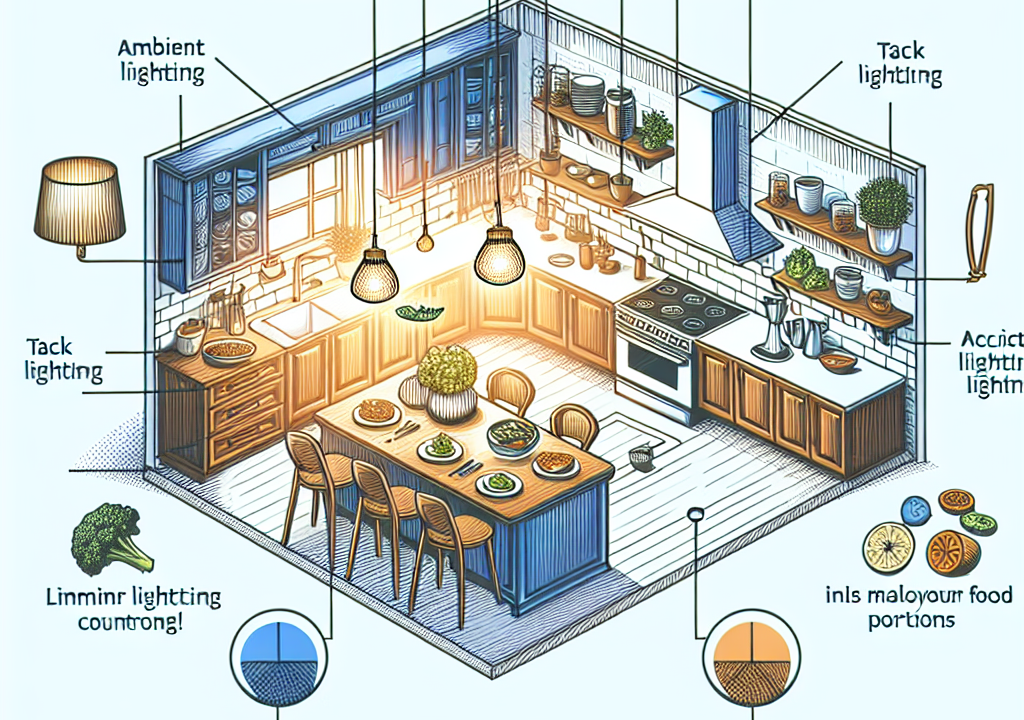
How Lighting in Your Kitchen Impacts Portion Control
Transform your kitchen into a haven of wellness with the right lighting! Discover how strategically placed lighting can subconsciously encourage healthier portion control. Say goodbye to oversized servings and hello to mindful eating. Ready to illuminate your path to better health? Dive into our guide and revolutionize your dining experience today!
