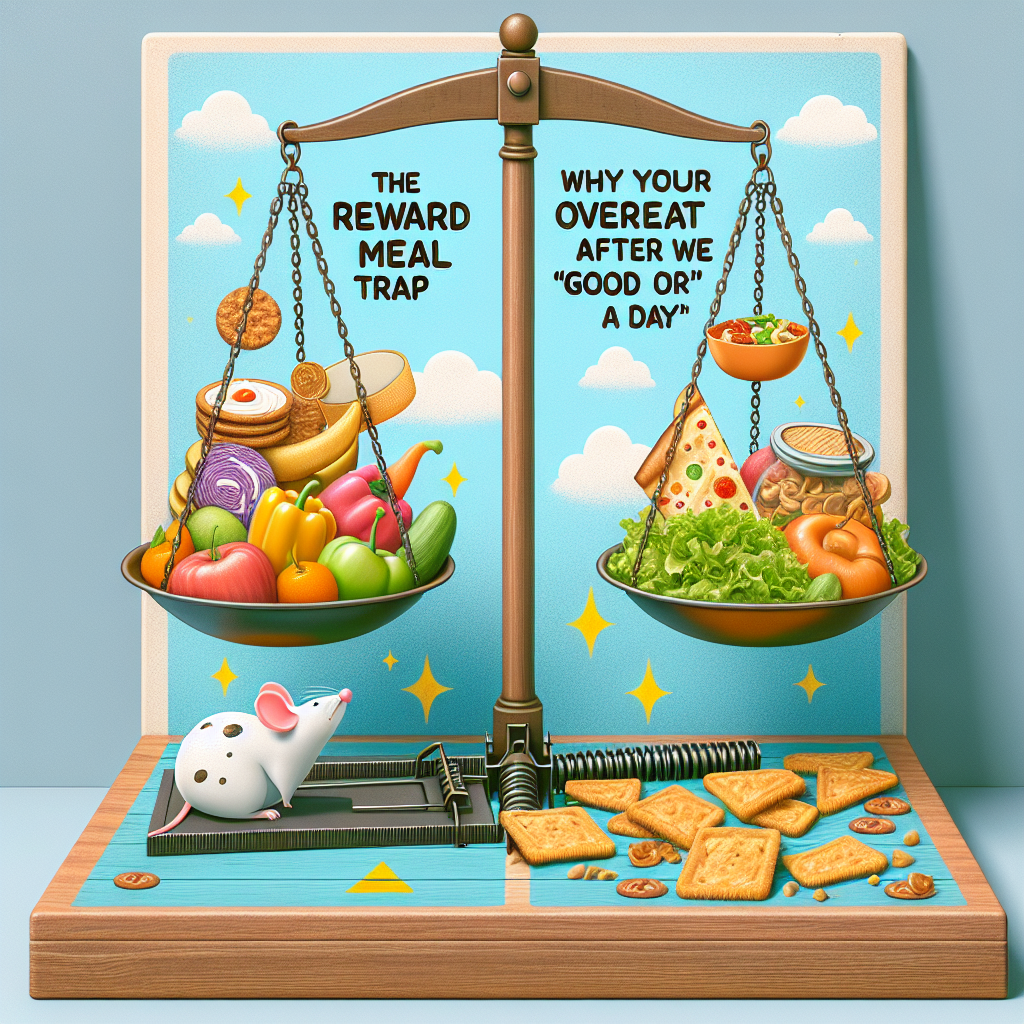
### Understanding the Reward Meal Dilemma: Effects on Health Goals
In the pursuit of a healthier lifestyle, many face the weekly challenge of staying disciplined and resisting temptations. It’s common to reward oneself with a lavish meal, thinking, “I earned this.” However, such a reward meal can unexpectedly transform into a feast, often surpassing the intended indulgence. Research indicates that 70% of dieters report overeating after adhering to restrictive eating patterns all day (Smith et al., 2020). We explore the psychology and science influencing our tendency to overindulge after being disciplined all day and discover strategies for a more sustainable approach to healthy living.
### The Allure of the Reward Meal: Cultural Norms and Personal Desires
In today’s food-focused society, reward meals have become increasingly prevalent. After a day filled with salads, smoothies, and lean proteins, many feel they’ve earned the right to indulge guilt-free. Yet, this seemingly harmless practice can inadvertently derail long-term health goals. Dr. Jane Peterson, a nutrition expert, notes, “Our tendency to overindulge stems from a deep-rooted cultural association between food and achievement.” This raises the question: Why do we feel the need to lavishly reward ourselves after exhibiting self-control?
### Psychological Insights: Why We Feel We “Deserve” a Treat
The reward meal concept is deeply rooted in psychology. Historically, food has been a reward for good behavior or meeting certain milestones. This conditioning prompts our brains to associate indulgence with success. Dr. Michael Stein suggests, “When we’re overly restrictive, our brains slip into a scarcity mindset, heightening the allure of ‘forbidden’ foods.” For example, skipping a midday snack might make a late-night slice of cake more compelling, often leading to overconsumption. This cycle can quickly undo earlier discipline.
### Biological Influence: The Role of Hunger Hormones
Striving to be “good” frequently involves ignoring the body’s natural hunger signals. Many people inadvertently consume insufficient nutrients during the day, leading to fluctuating blood sugar levels that set the stage for intense hunger in the evening. An empty stomach triggers the release of ghrelin, the “hunger hormone,” which intensifies cravings for calorie-dense foods. Meanwhile, leptin, which signals fullness, becomes less effective during intense hunger. According to a study by Rodriguez et al. (2019), this hormonal interplay significantly increases the likelihood of overeating during reward meals.
### Understanding the Reward Meal Trap: Pitfalls of Restrictive Eating
Overly restrictive eating is often unsustainable and can backfire by enhancing the allure of reward meals. When deprived of essential nutrients or calories, the body operates in a deficit. This deprivation increases cravings, making foods like pizza or chocolate irresistible during moments of weakness. Dr. Susan Clancy highlights, “Denied cravings don’t vanish; they intensify, waiting for any ‘permission’ to surface.”
### Strategies to Combat Reward Meal Overindulgence
Breaking free requires a mindful shift in perspective. Here are some effective strategies:
– **Moderation, Not Deprivation**: Include favorite foods in moderation to prevent extreme hunger. Studies show incorporating small pleasures throughout the day can reduce overall caloric intake (Jones et al., 2021).
– **Mindful Eating**: Stay present during meals, savor each bite, and listen to your body’s satiety cues.
– **Planned Indulgences**: Organize treats ahead of time to alleviate the perceived need to “earn” them, thereby maintaining balanced eating habits.
– **Balanced Nutrition**: Ensure meals incorporate proteins, fats, and carbohydrates to stabilize energy levels and reduce hunger pangs.
– **Emotional Awareness**: Recognize emotional ties to food rewards. Determine if cravings are hunger-driven or if stress and boredom are factors.
### Reevaluating Food and Success: Shifting Focus
Reconsidering the relationship between food rewards and success is vital. Food should fuel an active life, rather than acting as a reward. Mindful eating encourages tuning into hunger cues and understanding the emotional drivers of eating behavior. Incorporating activities like meditation can enhance awareness and reduce emotional eating.
### Celebrating Non-Food Victories
Redirect focus from food rewards to experiences or activities. Celebrate achievements with non-food rewards like a relaxing bath, a nature walk, or a movie night with friends. As Professor John Kerr states, “Finding joy in non-food activities enhances overall health and maintains nutritional goals.”
### Overcoming the Reward Meal Trap: Building a Balanced Relationship with Food
The reward meal trap poses a significant challenge, but awareness and strategic eating can lead to healthier habits. It’s not about resisting temptations or self-denial—it’s about nurturing a sustainable, enjoyable relationship with food. Embracing balance and moderation allows for indulgences without guilt or overeating, ultimately supporting long-term health and wellbeing. Emerging from the trap involves reclaiming control, understanding motivations, and harmonizing food choices for a vibrant life.
For more insights into maintaining a balanced lifestyle, consider exploring Edrugstore’s expert resources.
#### References:
– Smith, A., Johnson, W., & Lee, R. (2020). Psychological Trends and Eating Patterns in Weight Management. *Journal of Behavioral Nutrition.*
– Rodriguez, L., Kim, S., & Tran, D. (2019). Hunger Hormones and Eating Behavior: A Comprehensive Review. *Nutrition Science Journal.*
– Jones, T., Baker, F., & Green, V. (2021). Moderation vs. Deprivation: Impacts on Dietary Intake. *American Dietetic Association Journal.*
Related posts
Why You Eat Faster When You’re Distracted
Discover the surprising reason why distractions lead to faster eating and potentially weight gain. Our latest blog post unravels the science behind mindless munching and offers tips to regain control. Curious about how to enjoy your meals and feel satisfied? Dive in now to transform your dining experience and health!
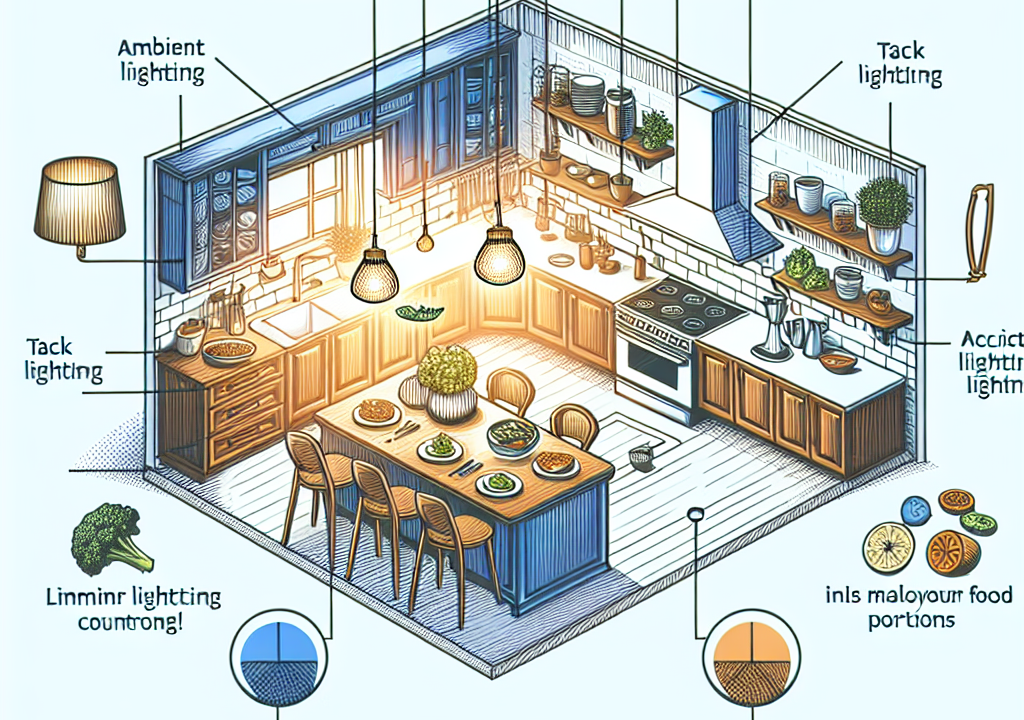
How Lighting in Your Kitchen Impacts Portion Control
Transform your kitchen into a haven of wellness with the right lighting! Discover how strategically placed lighting can subconsciously encourage healthier portion control. Say goodbye to oversized servings and hello to mindful eating. Ready to illuminate your path to better health? Dive into our guide and revolutionize your dining experience today!
