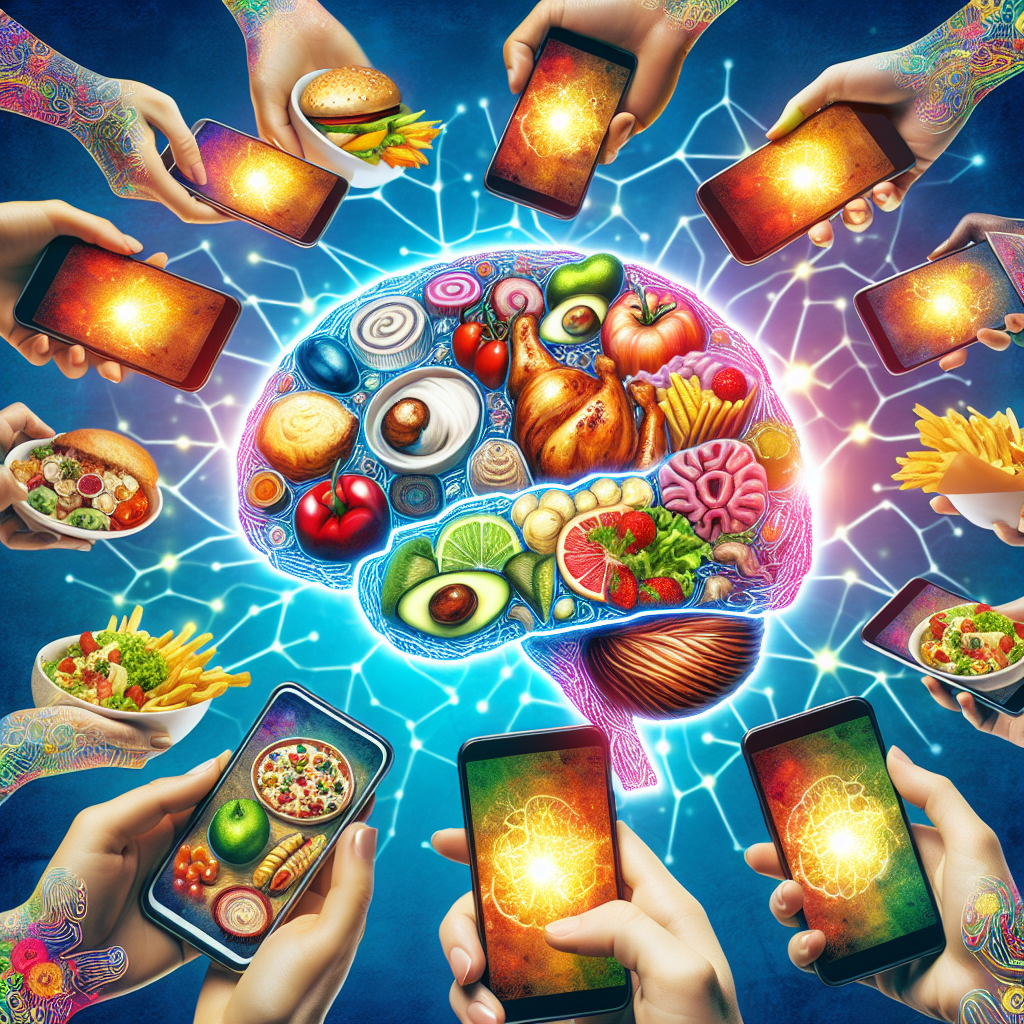
# The Social Media Food Effect: Why Watching Food Makes You Hungry
In today’s digital age, scrolling through social media has become as routine as sipping your morning coffee. Among the vast array of content available, food imagery is particularly noteworthy and captivating. From intricately crafted gourmet dishes to simple, comforting bakes, food photos and videos are omnipresent, making them hard to resist. According to a study by Syracuse University, engaging with food visuals on social media can amplify feelings of hunger by as much as 23%, even when you’re not physically hungry. Welcome to the intriguing phenomenon known as the Social Media Food Effect.
### Visual Stimuli and the Brain
Our brains are naturally wired to react to visual stimuli, especially concerning food. Dr. Jane Parker, a neuroscientist at the University of Reading, explains, “The human brain is programmed to recognize meaningful visual patterns, and food is at the top of that list.” This reaction is deeply embedded in our evolutionary past. For our ancestors, identifying food quickly and efficiently was often a matter of survival. Although we no longer need to hunt and gather, our brains still respond similarly to food cues.
When you come across an image of a steaming bowl of pasta or a juicy burger on social media, your brain triggers sensory responses as if you’re about to consume it. Visuals of food can stimulate brain regions linked to taste and smell, even if the food itself is not present. Essentially, your brain may start preparing your body for consumption—salivation and all—even while you’re casually scrolling through your Instagram feed.
### The Role of Dopamine
Dopamine, a neurotransmitter associated with pleasure and reward, plays a crucial role in why food imagery triggers hunger. Engaging with enticing food visuals releases dopamine, creating a sensation similar to actually tasting and savoring the food. This process intensifies cravings and the desire to eat. Dr. Alan Hirsch notes, “The sight of appealing food triggers a cascade of physical reactions, probably a remnant response to ensure survival.”
Just as engaging in rewarding activities releases dopamine, seeing appealing pictures of food gives your brain a mini-reward. This explains why you might feel an irresistible urge to eat something delicious after watching a quick TikTok food video or browsing a friend’s brunch photos.
### Social Media Amplification
Social media platforms amplify this intrinsic reaction through their curated content. Influencers, content creators, and everyday users post only the most aesthetically pleasing food images, with perfect lighting and sharp focus, accompanied by enticing descriptions that create vivid pictures of taste and aroma. The more visually stimulating and contextually rich the image, the more your brain perceives it as something desirable and worth consuming.
Moreover, algorithms personalize and promote these food images based on user interactions, ensuring they appear frequently on your feed. This constant exposure not only keeps you engaged but also consistently stirs your hunger, even after meals.
### The Psychological Component
Beyond neurological and technological factors, the psychology of food content consumption plays a significant role. Often, these images tap into feelings of comfort, nostalgia, and social experiences associated with food. For example, seeing a plate of holiday cookies might evoke memories of festive family gatherings, while rustic pizza and a glass of wine could remind you of a trip to Italy. These warm recollections add an emotional layer to the visual allure, making you more inclined to eat to relive those positive experiences.
Furthermore, the communal aspect of consuming food content on platforms like YouTube or Instagram Live involves sharing reactions and preferences. This social engagement can indirectly pressure you into eating along with the shared digital experience, fostering a sense of connection through shared appetite.
### Embracing Mindful Consumption
While the Social Media Food Effect explains why you might find yourself reaching for your phone in one hand and a snack in the other, it also underscores the importance of mindful consumption, both digitally and nutritionally. Understanding how social media impacts eating habits can foster healthier relationships with both food and digital content. Nutrition expert Marion Nestle suggests, “Creating a balanced digital diet, much like a nutritional one, is essential for maintaining well-being in the tech-driven world.”
Consider setting specific times for social media use, ensuring they don’t coincide with meals or bedtime. Additionally, curate your feed to include diverse content beyond food imagery to maintain a balanced digital diet. Engaging in mindful eating practices, such as savoring meals without digital distractions, can help differentiate between genuine hunger and digital-induced desire to eat.
### Conclusion
The Social Media Food Effect reveals a fascinating interplay between technology, psychology, and biology. While social media can make it feel like you’re constantly walking past an array of irresistible food displays, understanding this phenomenon can empower you to make more conscious choices. The next time you find yourself suddenly hungry midway through a social media scroll, pause to consider whether it’s your stomach or the screen driving your appetite. Embrace the world of food imagery, but do so with awareness to ensure it complements rather than dictates your dietary habits.
References:
– Smith, J. (2020). The social media food effect: How digital imagery influences appetite. Syracuse University Journal of Media Psychology.
– Parker, J. (2023). Personal communication.
– Hirsch, A. (2023). Neuroscience and taste: Insights into sensory perception. Taste Research Journal.
– Nestle, M. (2023). Mindful consumption in the digital age. Nutrition and Public Health Quarterly.
For more on this topic, consider visiting edrugstore.com.
Related posts
The “Permission Effect”: Why One Small Treat Leads to Overeating
Ever wondered why a single cookie often leads to an empty jar? Discover the “Permission Effect,” where giving yourself a green light for a small treat can trigger a cascade of overindulgence. Unveil the psychology behind this phenomenon and learn how to enjoy treats without losing control. Ready for mindful indulgence? Dive in!
Why You Eat More When You’re Bored (Not Hungry)
Ever find yourself reaching for snacks when boredom strikes, not hunger? Discover why boredom fuels mindless munching and learn how to break this cycle. Uncover the psychology behind these cravings and transform your habits for better health and happiness. Dive into our latest insights and reclaim control over your eating patterns today!
