**Why You Eat More When You’re Bored (Not Hungry)**
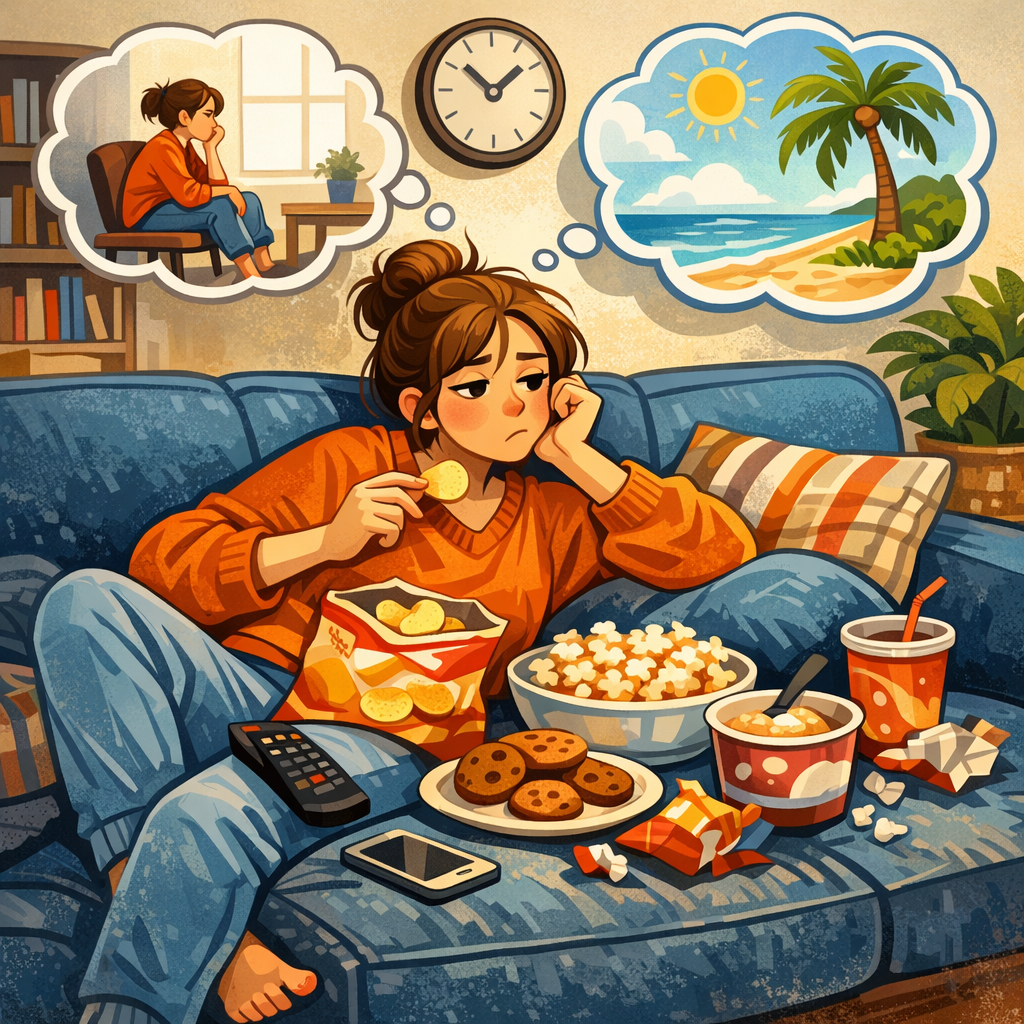
In today’s fast-paced world filled with endless distractions, many people find themselves snacking out of boredom rather than hunger. It’s a common scenario: you open the fridge or pantry just hours—or even minutes—after a full meal, only to grab something to munch on. If this sounds all too familiar, you’re not alone. Eating due to boredom is a widespread issue, closely tied to our emotions, daily routines, and psychological state. This article explores why we tend to eat more out of boredom rather than genuine hunger and how we can address this behavior to promote a healthier lifestyle. According to a study by Florida State University, about 39% of people confess to emotional eating driven by boredom.
### The Link Between Boredom and Eating
#### Understanding Boredom
Boredom is an emotional state characterized by a lack of interest or excitement, essentially a condition where we are not engaged in meaningful or enjoyable activities. This often leads us to seek comfort and stimulation elsewhere, resulting in “emotional eating.” Food frequently becomes the default solution to fill the void that boredom creates. For instance, someone might reach for a snack when there’s nothing to watch on TV. As Dr. Susan Albers, a clinical psychologist and author of “Eating Mindfully,” explains, “When we’re bored, we may eat just to fill time or provide a sense of purpose, even though we’re really missing mental or emotional stimulation.”
#### Dopamine’s Role in Eating Habits
One major reason people turn to food during boredom is the dopamine released in the brain, which is responsible for pleasure and reward. Eating, especially sugary or fatty foods, releases dopamine, offering temporary relief. This creates a cycle where snacking becomes a quick fix to lift our spirits. A study from Harvard Medical School highlights that consuming sugary foods can drive a dopamine-dependent urge, reinforcing this behavior.
### Psychological Factors Behind Boredom Eating
#### Emotional Comfort Food
Food is deeply linked to emotions. From childhood, we often associate treats with comfort, like sweets after a doctor’s visit or special meals on birthdays. This ingrained connection leads many to turn to food as emotional solace during times of boredom or inactivity. For example, a favorite treat might evoke feelings of nostalgia and warmth during lonely moments.
#### The Habit of Boredom Eating
With time, eating out of boredom can become a habit, similar to reflexively checking social media when idle. This automatic response to boredom can quickly turn into a mindless activity. Just as you might pick up your phone when there’s nothing else to do, reaching for a snack can become a routine habit.
### Consequences of Eating When Bored
#### Health Risks of Unnecessary Eating
Consuming extra calories without actual hunger can lead to weight gain and increased health risks, such as obesity, diabetes, and heart disease. Often, impromptu food choices lean towards quick and easy snacks rather than nutritious options. The Centers for Disease Control and Prevention (CDC) notes that obesity-related conditions are some of the leading preventable causes of premature death.
#### Mental Health Impacts
The cycle of eating out of boredom can also affect mental health, leading to feelings of guilt or frustration about poor eating habits. This guilt can perpetuate emotional eating, creating a challenging cycle to break. Dr. Albers points out, “Mindlessly snacking out of boredom can leave one feeling powerless and disappointed.”
### Strategies to Overcome Boredom Eating
#### Embrace Awareness and Mindfulness
Awareness is the first step towards addressing boredom eating. Recognizing triggers and distinguishing between true hunger and emotional cravings is essential. Practicing mindfulness, or being present and fully engaged, helps pause and assess whether your urge to eat stems from real hunger or boredom. Consider asking yourself before snacking, “Am I truly hungry, or am I just seeking distraction?”
#### Discover Engaging Alternatives
Once you become aware of your boredom eating habits, finding alternative activities is crucial. Engaging in new hobbies, exercising, reading, or working on puzzles can replace the habit of reaching for snacks. Activities that offer the stimulation or comfort you seek can be effective substitutes. Developing a morning yoga routine or joining a book club are excellent alternatives.
#### Establish Structured Eating Patterns
Setting routine meal and snack times can deter random grazing throughout the day. Balanced meals that meet nutritional needs help curtail the urge to snack out of boredom. For tailored dietary advice, you might refer to resources on edrugstore.com.
### Conclusion
Eating out of boredom is a common experience, but understanding its underlying causes empowers healthier choices. By recognizing triggers and employing strategies to engage with boredom constructively, reducing this habit can improve both physical and mental well-being. Remember, the journey to healthier habits starts with small changes, and each step towards mindfulness and self-awareness is a stride toward a better lifestyle. Next time you reach for a snack, pause and ask yourself, “Am I hungry, or just bored?” You might be surprised by the answer.
### References
– Florida State University study on emotional eating.
– Dr. Susan Albers, clinical psychologist and author of “Eating Mindfully.”
– Harvard Medical School study on dopamine and sugar.
– Centers for Disease Control and Prevention (CDC) on obesity-related conditions.
Related posts
The “Permission Effect”: Why One Small Treat Leads to Overeating
Ever wondered why a single cookie often leads to an empty jar? Discover the “Permission Effect,” where giving yourself a green light for a small treat can trigger a cascade of overindulgence. Unveil the psychology behind this phenomenon and learn how to enjoy treats without losing control. Ready for mindful indulgence? Dive in!
The Social Media Food Effect: Why Watching Food Makes You Hungry
Craving something delicious? You’re not alone. Our latest blog post, “The Social Media Food Effect: Why Watching Food Makes You Hungry,” unveils how mouthwatering food videos lure your appetite and inspire culinary adventures. Discover surprising insights and tips to turn your hunger into creative cooking. Read on to transform cravings into delicious reality!
