### Why You Eat More When You’re Bored
In today’s fast-paced world, food serves as more than just nutritional sustenance; it becomes a silent companion during moments of solitude. Have you ever found yourself reaching for a bag of chips or a bar of chocolate when there’s nothing pressing on your agenda? You’re not alone. According to a study by the American Psychological Association, 38% of adults admit to eating when they feel bored. Understanding the reasons behind boredom eating can offer insights into developing healthier eating habits and fostering a more mindful relationship with food.
### Understanding the Science Behind Boredom Eating
At first glance, eating seems to be a straightforward response to hunger, a means to fuel our bodies. However, it’s more complex than that. Dr. Susan Albers, a clinical psychologist at the Cleveland Clinic, explains, “Our brains are wired to seek pleasure and enjoyment, which is a significant factor in why boredom eating occurs.” When we are bored, our brains crave stimulation and novelty; food can provide a temporary solution. Neuroscientists point out that the brain releases dopamine, the “feel-good” neurotransmitter, in anticipation of a rewarding experience, such as eating. When we’re bored, dopamine levels drop, prompting us to seek activities or substances that can increase its levels. Indulging in a tasty snack can quickly bridge this dopamine gap, creating a pleasurable experience that temporarily alleviates boredom.
### The Emotional Void that Leads to Boredom Eating
Boredom often arises when we feel a lack of purpose or engagement in our current activities. This emotional void can lead us to turn to food for comfort. Eating is a universal human experience, and its repetitive nature can offer a sense of structure and familiarity when everything else seems disorganized or unstimulating. For example, certain foods like ice cream might remind you of childhood summers or popcorn of family movie nights, triggering emotional eating. The National Eating Disorders Association emphasizes that these emotional associations with food can prompt individuals to eat even when they’re not physically hungry.
### How Habitual Patterns Reinforce the Cycle
Habits play a crucial role in our tendency to eat when bored. When a behavior like snacking becomes habitual, it is often triggered automatically by specific cues, such as watching television or working late at night. This routine becomes ingrained in our daily lives, making it more challenging to break free from the cycle. Furthermore, the abundance and convenience of snack foods in modern life exacerbate the problem. With numerous fast-food advertisements, vending machines, and delivery services at our fingertips, food is always accessible, making it easier to eat out of habit rather than need.
### Recognizing the Impact on Health
While occasional boredom eating may seem harmless, it can lead to unintended health challenges if it becomes a regular pattern. Consuming excess calories when not needed can significantly contribute to weight gain, as reported by the Centers for Disease Control and Prevention. Regular non-hunger eating increases the risk of obesity and can undermine efforts to maintain a balanced diet, resulting in nutrient deficiencies. Additionally, eating without genuine hunger may prompt us to ignore our body’s natural cues, weakening the instinctive connection many of us have with when and how much to eat.
### Strategies for Curbing Boredom Eating
Breaking the cycle of boredom eating involves developing new habits and becoming more attuned to your body’s natural hunger signals. Here are some effective strategies:
#### Practice Mindful Eating
Slow down and focus on the experience of eating. Pay attention to flavors, textures, and aromas, and assess whether you’re physically hungry or eating out of habit. Harvard Health Publishing suggests that practicing mindfulness can help distinguish true hunger from boredom.
#### Identify Triggers and Alleviate Stress
Recognize specific situations or emotions that lead to boredom eating. Engage in alternative activities when boredom strikes, such as taking a walk, reading, or meditating. Reducing stress through mindfulness practices, yoga, or exercise can diminish the need to eat for emotional comfort.
#### Limit Temptations with Healthy Alternatives
Keep healthy snacks available, such as fruits, nuts, or yogurt, and limit access to sugary and fatty snacks. By replacing unhealthy options with nutritious alternatives, you can more easily maintain a healthy diet. For detailed guidance, consider exploring resources on healthy snacking.
#### Create a Structured and Purposeful Day
Fill your day with meaningful activities that keep your mind occupied. Whether it’s picking up a hobby, organizing your space, or pursuing a long-term goal, maintaining a sense of purpose can prevent boredom.
#### Stay Hydrated and Well-Rested
Sometimes, dehydration and fatigue are mistaken for hunger. Ensure you are drinking plenty of water and getting enough rest, which can help reduce unnecessary eating.
### Conclusion: Finding Balance and Awareness
Eating when bored is a common challenge, but with increased awareness and intentional actions, it’s possible to cultivate a healthier relationship with food. By understanding the triggers of boredom eating and addressing them with mindful practices and lifestyle changes, you can nourish not just your body but also your mind and spirit, leading to greater overall well-being. So, next time boredom strikes, reach for an activity instead of a snack and embark on the journey toward a more mindful and fulfilling life.
### References
1. “Why We Eat When We’re Not Hungry,” American Psychological Association.
2. “Understanding Boredom Eating with Dr. Susan Albers,” Cleveland Clinic.
3. “Emotional Eating,” National Eating Disorders Association.
4. “Obesity and Health Problems,” Centers for Disease Control and Prevention.
5. “The Benefits of Mindful Eating,” Harvard Health Publishing.
Related posts
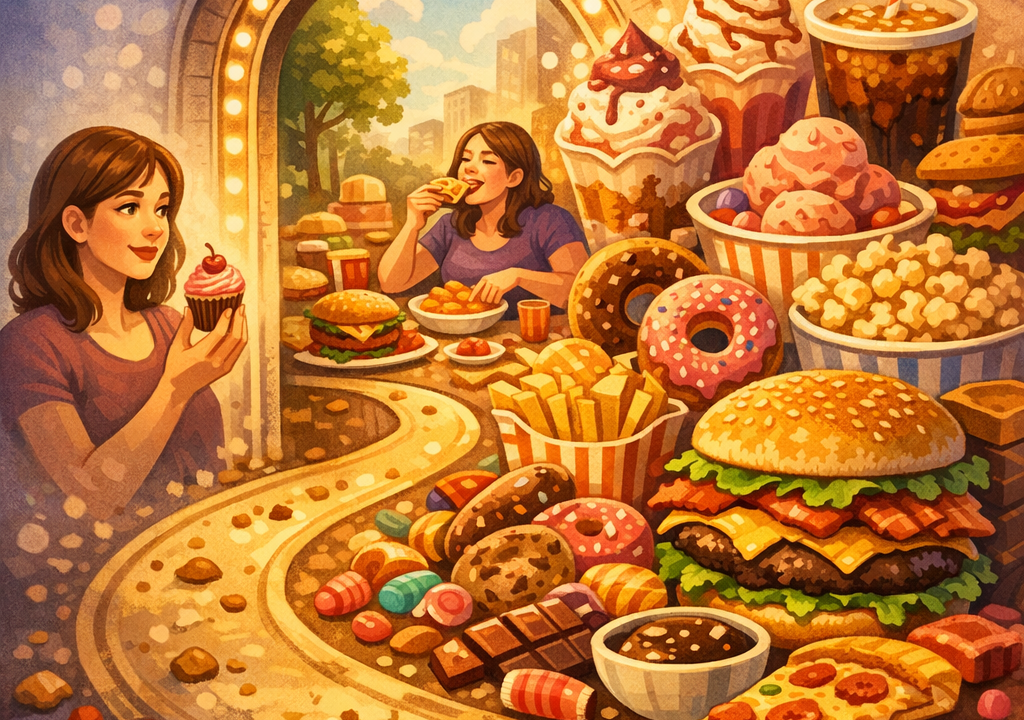
The “Permission Effect”: Why One Small Treat Leads to Overeating
Ever wondered why a single cookie often leads to an empty jar? Discover the “Permission Effect,” where giving yourself a green light for a small treat can trigger a cascade of overindulgence. Unveil the psychology behind this phenomenon and learn how to enjoy treats without losing control. Ready for mindful indulgence? Dive in!
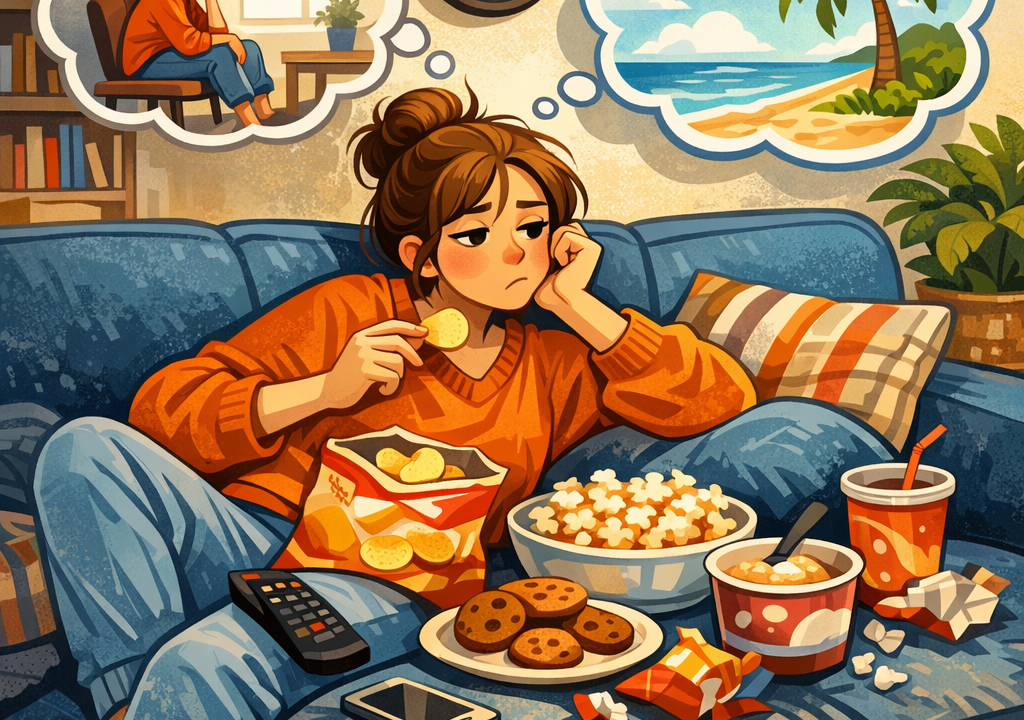
Why You Eat More When You’re Bored (Not Hungry)
Ever find yourself reaching for snacks when boredom strikes, not hunger? Discover why boredom fuels mindless munching and learn how to break this cycle. Uncover the psychology behind these cravings and transform your habits for better health and happiness. Dive into our latest insights and reclaim control over your eating patterns today!
