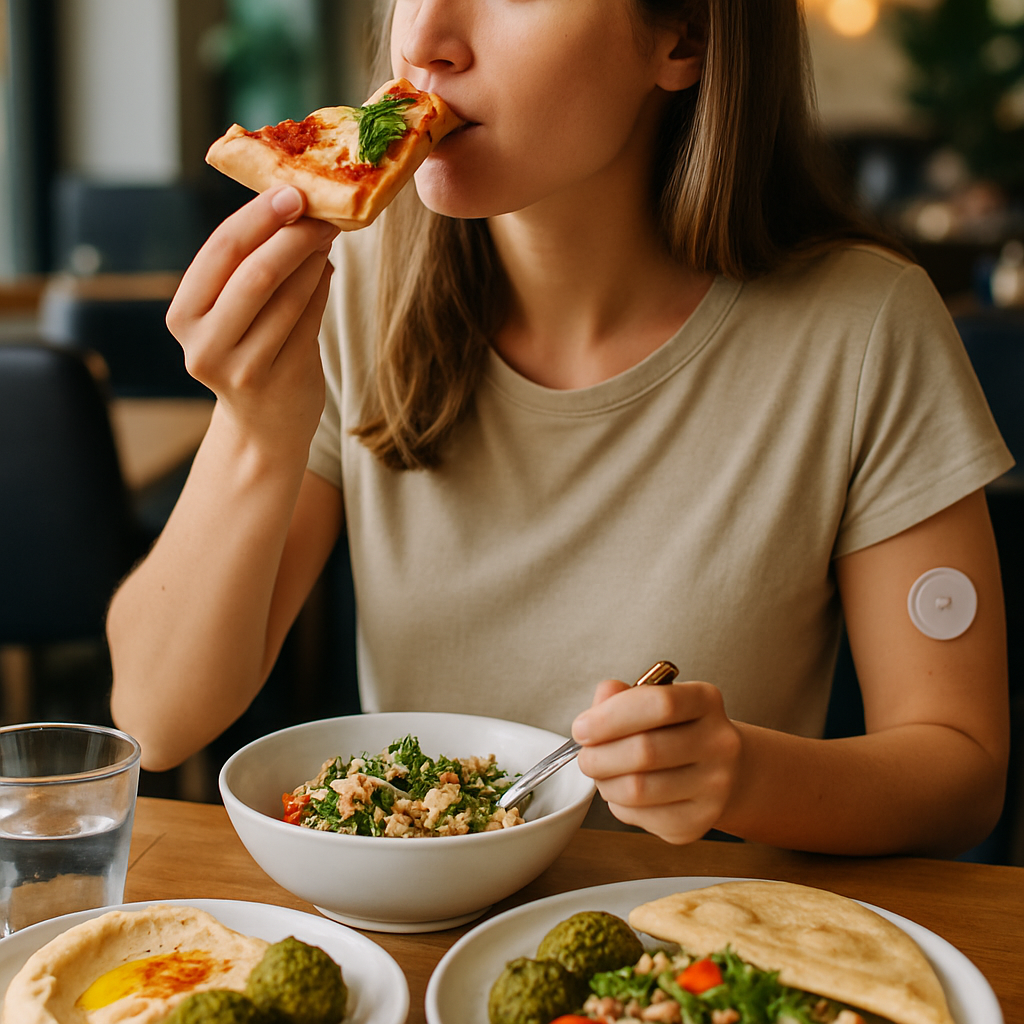
Recent CGM studies are quietly rewriting what we thought we knew about cheat meals. Continuous glucose monitors, once reserved for people with diabetes, have become a window into how every body uniquely processes pizza, pasta, and dessert. The findings are surprising, and often very encouraging for anyone who loves the occasional indulgence.
If you’ve ever assumed all carbs spike your blood sugar the same way, the data says otherwise. Here are five fascinating studies that can change the way you plan your next cheat night.
1. Identical Meals, Wildly Different Glucose Responses
A landmark Israeli study published in Cell tracked 800 people wearing CGMs and found that two people eating the exact same meal could have glucose spikes differing by more than 100%[^1]. One person’s "safe" burger was another’s metabolic rollercoaster.
The takeaway from these CGM studies is simple: there is no universal cheat meal villain. Personalized testing matters more than blanket food rules, which is why so many nutritionists now encourage individualized insulin sensitivity strategies.
2. Food Order Changes Everything
A Weill Cornell study showed that eating vegetables and protein before carbs reduced post-meal glucose spikes by up to 73%[^2]. Same plate, same calories, completely different metabolic outcome.
This single trick can turn a risky cheat dinner into a manageable one. Start your indulgent meal with a salad or protein appetizer, and you’ll blunt the glucose curve dramatically. It’s a tactic that pairs beautifully with portion control tricks for stacking benefits.
3. A 10-Minute Walk Cuts Spikes Substantially
Among the most actionable CGM studies, a 2022 meta-analysis in Sports Medicine found that walking for just 2-10 minutes after eating significantly lowered post-meal glucose compared with sitting[^3]. Even light movement helped.
That means you don’t need a brutal workout to offset dessert. A short stroll after pizza night may flatten your curve as effectively as skipping the second slice. Many people now combine this with post-cheat meal stretches to support digestion at the same time.
4. Sleep Quality Predicts Your Cheat Meal Response
Research from King’s College London using CGMs found that poor sleep the night before sharply worsened next-day glucose responses to identical breakfasts[^4]. A single rough night was enough to skew results.
This explains why Friday-night cheat meals after a sleep-deprived week often hit harder than expected. Prioritizing rest before your indulgence day may be one of the most underrated strategies for protecting your metabolism, especially when you’re navigating weekend indulgences.
5. CGM Studies Show Fat and Fiber Tame the Spike
Several CGM studies confirm that pairing carbs with fat, fiber, or protein consistently flattens glucose responses. Plain white rice causes a sharper spike than rice eaten with avocado, beans, or grilled chicken[^5].
This is exactly why a thoughtfully built pizza with extra protein and veggies beats a refined-dough version. Smart construction matters, something explored in depth in guides to macro-friendly pizzas and balanced meal building.
What These Findings Mean for Your Next Cheat Day
The recurring theme across these CGM studies is that context matters more than the food itself. Sequence, sleep, movement, and meal composition can transform the same indulgence into either a metabolic win or a sluggish afternoon.
You don’t need to wear a CGM forever to apply these lessons. Even adopting two or three of the strategies, eating veggies first, walking after meals, sleeping well before cheat night, can meaningfully improve how your body handles a treat.
For deeper science on the gadgets behind these findings, the Mayo Clinic’s overview of continuous glucose monitoring is an excellent place to start.
Conclusion
The latest CGM studies offer something rare in nutrition: practical, individualized insight that doesn’t demand giving up the foods you love. They prove that smarter cheat meals aren’t about restriction, they’re about strategy.
Use food order, gentle post-meal movement, and quality sleep to your advantage. With these CGM studies as your guide, your next indulgence can feel deliciously guilt-free and metabolically smart.
References
[^1]: Zeevi, D., et al. (2015). Personalized Nutrition by Prediction of Glycemic Responses. Cell, 163(5), 1079-1094.
[^2]: Shukla, A. P., et al. (2015). Food Order Has a Significant Impact on Postprandial Glucose and Insulin Levels. Diabetes Care, 38(7), e98-e99.
[^3]: Buffey, A. J., et al. (2022). The Acute Effects of Interrupting Prolonged Sitting Time in Adults with Standing and Light-Intensity Walking on Biomarkers of Cardiometabolic Health. Sports Medicine, 52, 1765-1787.
[^4]: Tsereteli, N., et al. (2022). Impact of insufficient sleep on dysregulated blood glucose control under standardised meal conditions. Diabetologia, 65, 356-365.
[^5]: Paterson, M. A., et al. (2016). Influence of dietary protein on postprandial blood glucose levels in individuals with Type 1 diabetes mellitus. Diabetic Medicine, 33(5), 592-598.
