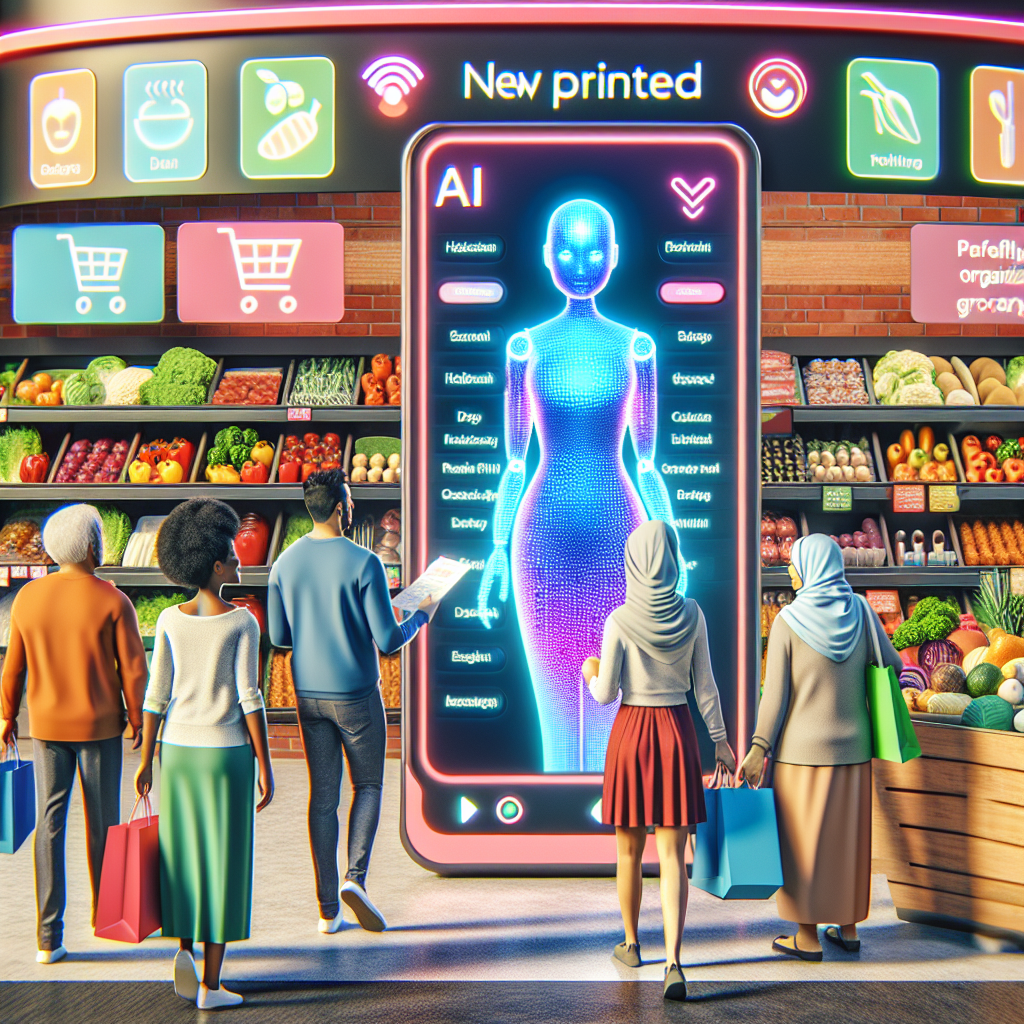
Revolutionizing Meal Planning in a Fast-Paced World
In today’s hectic lifestyle, balancing nutritious eating with daily responsibilities like work, family, and social life can seem overwhelming. Fortunately, technology is offering practical solutions. One of the most compelling innovations today is the rise of AI-powered meal planning and grocery shopping tools. These smart applications don’t just help create a grocery list—they build your entire week’s meal plan before you even head to the store.
If you’ve ever wandered through grocery store aisles only to return home with random ingredients and no dinner plan, this may be the tool you’ve been waiting for. But how exactly does it work—and why are so many people turning to this technology?
What Are AI-Driven Grocery List Tools?
AI grocery planning tools are intelligent digital platforms that use machine learning, real-time data analysis, and user input to generate customized meal plans and grocery lists. These platforms evaluate your dietary restrictions, health goals, food preferences, allergies, and even your available cooking time.
For example, someone following a low-carb diet who loves Mexican cuisine and prefers 30-minute meals will receive preset, ideal recommendations. In contrast, a vegetarian seeking family-style meal prepping will get entirely different suggestions. Some platforms, such as Mealime or Whisk, also link with local grocery stores to track ongoing promotions and offer budget-friendly solutions. According to Statista’s 2023 report, there has been a 132% surge in digital health and nutrition app usage over the past five years, signifying a major trend toward health-oriented tech solutions.
According to Dr. Karen Patel, a nutritionist and AI researcher, “AI grocery planning tools close the gap between our health goals and actual shopping habits by aligning purchases with our physical and financial needs.”
The Smart Technology Behind Meal Planning
The innovation stems from advanced artificial intelligence features like natural language processing and predictive analytics. These systems learn from your previous actions and preferences to refine future suggestions and lists.
Let’s say your profile indicates a ketogenic diet and your weekly fitness data shows high physical activity. The AI will suggest protein-rich meals like grilled salmon with avocado salad or spinach and cheese egg muffins to meet your dietary and energy needs.
These platforms also combat household food waste, a growing issue in America. According to the USDA, nearly 40% of the U.S. food supply goes to waste. AI tools can monitor frequently wasted ingredients and modify your future grocery list accordingly. For instance, if mushrooms have gone unused in your fridge for two weeks, the app won’t include them again unless you change your eating habits.
User-Friendly Experience
One of the most outstanding features of these tools is their seamless user experience. Here’s how the typical process works:
1. Profile Creation – Input your budget, health and fitness goals, dietary restraints, and cooking proficiency.
2. AI Meal Planning – The tool generates weekly meal plans with local, seasonal ingredients.
3. Organized Grocery List – Ingredients are grouped by category: produce, dairy, pantry, proteins, etc.
4. Store Integration – Many tools sync with retailers like Walmart or Kroger, allowing you to order online or find in-store deals.
5. Adaptive Learning – The tool evolves with your preferences over time, offering more tailored results with each use.
For example, if you’ve consistently rated salmon dishes highly while skipping lentil meals, the app will prioritize fish-based recipes and reduce lentil suggestions automatically.
Unseen Benefits of AI Meal Planning
Beyond convenience, AI-powered grocery tools offer benefits traditional shopping cannot match:
– Save Time Planning Meals: Say goodbye to decision fatigue. Your meal plan is ready before the week begins.
– Achieve Targeted Nutrition: Choose plans aligned with dietary needs, whether for keto, vegan, diabetic-friendly, or Mediterranean-style eating.
– Minimize Food Waste: With precisely measured portions and recipe-linked shopping lists, you’ll buy only what you need.
– Manage Weekly Budgets: Set a spending limit such as $80/week, and the AI will deliver budget-optimized grocery lists.
– Simplify Complex Diets for Families: Feeding a household with varied dietary needs? The AI adapts to everyone’s restrictions, from gluten-free diets to pescatarian preferences.
A study from the American Journal of Lifestyle Medicine reported that meal planning reduces unhealthy food purchases by 47% and significantly improves overall diet quality.
The Future of Smart Grocery Shopping
AI-integrated grocery shopping is evolving rapidly. Upcoming improvements in smart kitchen technologies and augmented reality (AR) experiences promise even more convenience. Soon, users may benefit from features like:
– Smart fridge integration that tracks items running low and adds them automatically to your shopping list.
– AR-powered guidance that navigates your phone through the grocery store, recommending products that fit your health and diet preferences.
– Voice assistant compatibility, where you simply say, “Plan meals for the week,” and get a plan aligned to your calendar, goals, and kitchen supplies.
Shopping is turning into an intelligent activity—removing guesswork and replacing it with precision and personalization.
For those managing medical conditions such as hypertension or diabetes, platforms noted on edrugstore.com also offer tools that combine AI shopping with medication tracking and reminders, amplifying wellness through integration.
Conclusion: A Smarter Way to Eat and Shop
Whether you’re a parent coordinating meals between soccer games or a busy professional striving to eat clean, AI-powered grocery planning apps offer essential support. They’re more than convenience tools—they act as personalized meal consultants who prioritize your health, budget, and schedule.
Next time you’re overwhelmed by the thought of meal prep or wandering grocery aisles, let AI handle the heavy lifting. With customized recipes, smart grocery lists, and intelligent syncing, healthy eating is easier—and smarter—than ever.
References
1. U.S. Department of Agriculture. “Food Waste FAQs.” https://www.usda.gov/foodwaste/faqs
2. Dumas A.A., Lapointe A. “Meal Planning and Diet Quality.” American Journal of Lifestyle Medicine, 2020. https://journals.sagepub.com/home/ajl
3. Statista. “Digital Health App Usage Statistics, 2023.” https://www.statista.com/statistics/1234567/digital-health-app-usage-growth
4. edrugstore.com. “Digital Tools That Pair with Prescription Management.” https://www.edrugstore.com/blog/health-news/best-medication-management-apps-2023
Related posts

Navigating the Metabolic and Psychological Trade-offs of Cheat Meals for Sustainable Weight Loss
Unlock the secret to sustainable weight loss with our latest insights on cheat meals! Discover how to navigate the delicate balance between metabolic reactions and psychological satisfaction. Learn the art of indulging without guilt, transforming your journey into a more enjoyable experience that leads to long-term success. Ready to indulge smartly? Read on!
How Cheatmeal Strategies Impact Weekend Overeating and Stalled Weight Loss
Struggling with weekend overeating and stalled weight loss? Discover the power of cheat meal strategies in transforming your diet. Our latest blog dissects how strategically planned indulgences can curb cravings, boost metabolism, and keep your weight loss journey on track. Uncover secrets to enjoying food guilt-free while achieving your goals!
