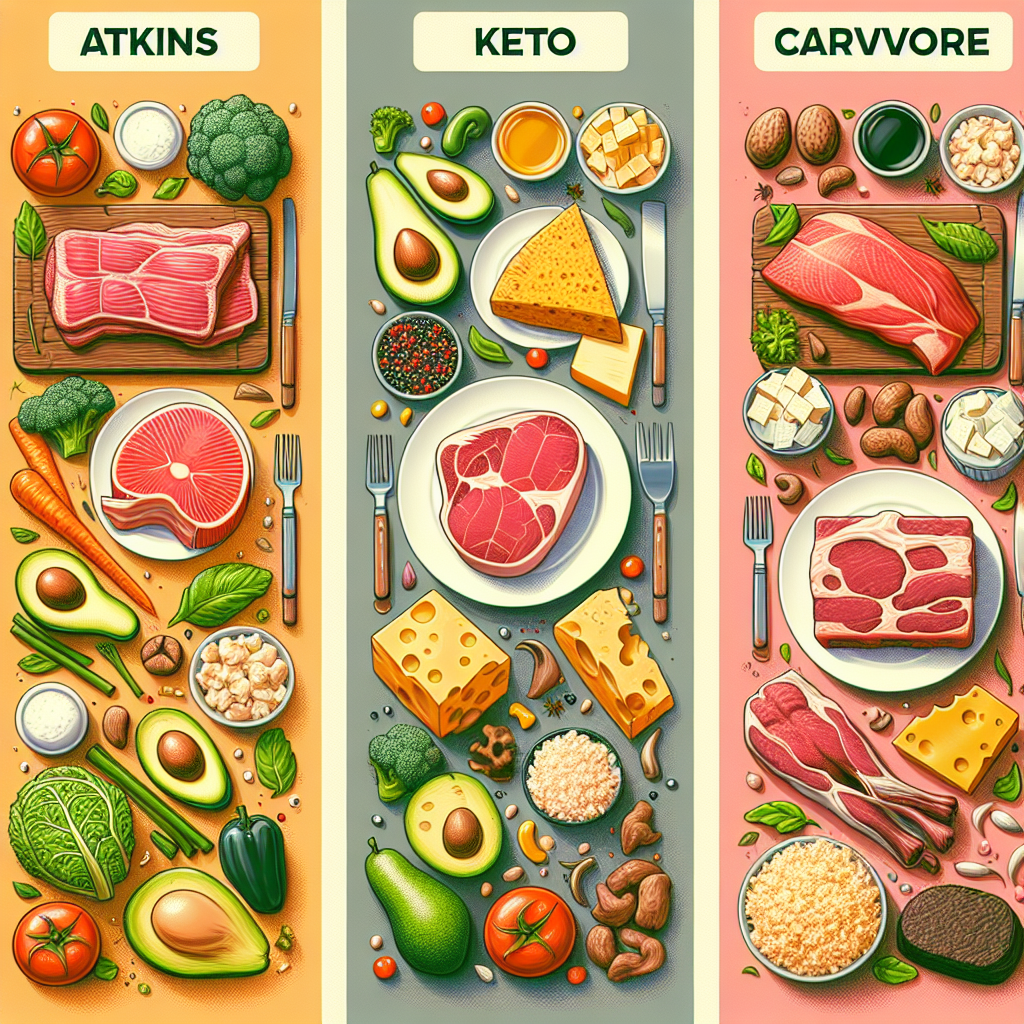
Atkins vs Keto vs Carnivore: How to Choose the Right Low-Carb Fit for Your Body
Understanding the Rise of Low-Carb Diets
Over the past two decades, the popularity of low-carb diets for weight loss and energy has soared. According to a 2022 survey by the International Food Information Council, about 16% of Americans now follow a low-carbohydrate eating pattern. But with several options on the table—including Atkins, Keto, and Carnivore—how do you figure out which one fits your lifestyle and goals?
While all three diets reduce carbohydrate intake, they differ significantly in structure, nutrient balance, and long-term application. This comprehensive guide will explore the pros and cons of each, helping you find your ideal low-carb path.
What Does a Low-Carb Diet Really Mean?
A low-carb diet plan restricts foods that are high in carbohydrates—such as bread, pasta, rice, and sugar—and emphasizes consumption of proteins and healthy fats. The goal is to shift your body’s primary energy source from carbohydrates (glucose) to fat (ketones), entering a metabolic state known as ketosis.
Functional medicine expert Dr. Mark Hyman explains, “Reducing carbs allows your insulin levels to drop, which tells your body to burn stored fat for energy.”
This metabolic shift can lead to weight loss, improved energy levels, and better blood sugar control.
The Atkins Diet: A Structured and Flexible Approach
The Atkins Diet for beginners is a pioneering low-carb program developed by Dr. Robert Atkins in the 1970s. It includes four phases that gradually reintroduce carbohydrates in a way that fits your individual tolerance.
Four-Phase Structure:
– Induction: Extremely low-carb (around 20 grams per day), focusing on high fat and moderate protein
– Balancing: Gradually adds nutrient-rich carbs like vegetables and berries
– Pre-Maintenance: Fine-tunes your carb intake before reaching your goal weight
– Maintenance: Helps you sustain weight loss by keeping carbs at a manageable level
Benefits:
– Long-term flexibility with foods
– Introduces healthy carb sources at later stages
– Scientific support for improved blood sugar and weight loss
Drawbacks:
– The first phase may bring “keto flu” symptoms like fatigue and irritability
– Some may rely too heavily on processed low-carb products
– Not as focused on whole, unprocessed food throughout all phases
Ideal For:
Those seeking a balanced, phase-based introduction to low-carb living. It’s especially useful for individuals transitioning from a standard high-carb diet.
The Keto Diet: A High-Fat Metabolic Game Changer
The Ketogenic Diet for fat loss is built on high fat intake, moderate protein, and a very strict carbohydrate limit—typically between 20 to 50 grams of net carbs per day. Its aim is to promote consistent ketosis so the body consistently burns fat for fuel.
A 2020 meta-analysis showed that individuals on a ketogenic diet lost about 2.2 times more weight than those on traditional low-fat diets.
Macronutrient Breakdown:
– 70–75% of calories from fat
– 20–25% from protein
– 5–10% from carbohydrates
Unlike Atkins, Keto doesn’t follow a phased approach—it relies on consistency and accurate tracking.
Benefits:
– Rapid weight loss
– Promotes insulin sensitivity
– Helps with neurological conditions like epilepsy
– Supports improved focus and mental clarity
Drawbacks:
– Requires meticulous carb tracking (tools like Carb Manager can assist)
– Can be socially challenging when dining out
– Long-term adherence may be difficult for some
Expert Perspective:
Dr. Eric Westman, Keto researcher and co-author of The New Atkins for a New You, notes, “Ketogenic diets offer powerful health benefits but require discipline and consistency to work effectively.”
Ideal For:
Motivated individuals seeking quick results, mental sharpness, and metabolic improvements. Best for those who are comfortable with food tracking and meal planning.
The Carnivore Diet: An Elimination Diet Focused on Animal-Based Foods
The Carnivore Diet for autoimmune conditions is the most restrictive of the three. It eliminates all plant-based foods—meaning no vegetables, fruits, grains, or legumes. This zero-carbohydrate system is composed exclusively of meat, fish, eggs, and sometimes dairy products.
This diet has gained popularity as a short-term elimination solution, especially for those dealing with chronic inflammation, digestive disorders, or immune problems.
What It Includes:
– Entirely animal-based foods, including red and white meat, fish, eggs, and organ meat
– Optional dairy and eggs, depending on personal tolerance
Benefits:
– Simplified eating with no need for tracking
– Eliminates common food irritants like gluten and oxalates
– May support digestive and autoimmune health
A 2021 study published in Current Developments in Nutrition found that 95% of Carnivore Diet participants reported health improvements, especially in digestion, energy, and mental clarity.
Drawbacks:
– Excludes fiber, antioxidants, and plant nutrients
– Long-term safety and sustainability are still being studied
– Not compatible with vegetarian or ethical eating preferences
Ideal For:
People experiencing chronic health issues that are unresponsive to other dietary methods. Best approached under a healthcare provider’s supervision, especially when used long-term.
How to Choose the Best Low-Carb Plan for You
If you’re unsure where to start, compare your goals and lifestyle preferences with the structure of each diet:
– Looking for a gradual, structured approach to low-carb living? → Start with Atkins
– Want fast results, mental clarity, and metabolic benefits? → Keto may be your best bet
– Struggling with chronic health issues or inflammation? → Carnivore could be a powerful reset tool (under medical guidance)
Still not confident in your choice? Try starting with Atkins or Keto, which are generally more flexible and easier to maintain for most people. If those do not deliver the desired results, the Carnivore approach might be worth considering on a trial basis.
Remember: Your Health Journey is Personal
There is no universal solution in low-carb nutrition. While the Atkins Diet offers flexibility, Keto focuses on sharper mental and physical results, and the Carnivore Diet provides a clean slate for complex health conditions.
The most effective low-carb diet is the one you can stick with consistently. Pay attention to how your body reacts, and talk to your physician or a registered dietitian before making major changes—especially if you are managing chronic illness or taking prescription medication.
For expert advice on managing medications or adjusting health routines with a new diet, visit edrugstore.com.
Whether you’re easing in with Atkins or diving deep into Carnivore, your health and consistency remain the keys to long-term success.
References
1. Hyman, M. (2021). Food: What the Heck Should I Eat? Little, Brown Spark.
2. Foster, G. D., et al. (2003). A randomized trial of a low-carbohydrate diet for obesity. New England Journal of Medicine, 348(21), 2082–2090.
3. Bueno, N. B., et al. (2013). Very-low-carbohydrate ketogenic diet vs. low-fat diet for long-term weight loss: a meta-analysis. British Journal of Nutrition, 110(7), 1178–1187.
4. Masino, S. A., & Rho, J. M. (2012). Mechanisms of ketogenic diet action. Epilepsia, 53(s5), 85–92.
5. Picco, M. F. (2020). Autoimmune diseases and the microbiota. Mayo Clinic Proceedings.
6. Lennerz, B. S., et al. (2021). Behavioral characteristics and self-reported health status among 2029 adults consuming a “carnivore diet”. Current Developments in Nutrition, 5(12), nzab133.
Related posts
Cheat Meal Choices: Understanding the Long-Term Metabolic Impact and Caloric Compensation Strategies
Indulging in cheat meals doesn’t have to sabotage your fitness goals. In “Cheat Meal Choices: Understanding the Long-Term Metabolic Impact and Caloric Compensation Strategies,” we explore how smart cheat meal planning can fuel your metabolism and satisfy cravings without derailing progress. Discover how to indulge wisely and harness your body’s natural compensatory mechanisms!

Navigating the Metabolic Balancing Act: How Strategic Cheat Meals Can Break Weight Loss Plateaus Without Derailing Progress
Unlock the secret to sustainable weight loss! “Navigating the Metabolic Balancing Act” reveals how strategic cheat meals can triumph over stubborn plateaus. Discover the art of indulging without guilt, rejuvenate your metabolism, and transform your fitness journey. Don’t let progress stall—embrace smart indulgence and keep your goals on track!
