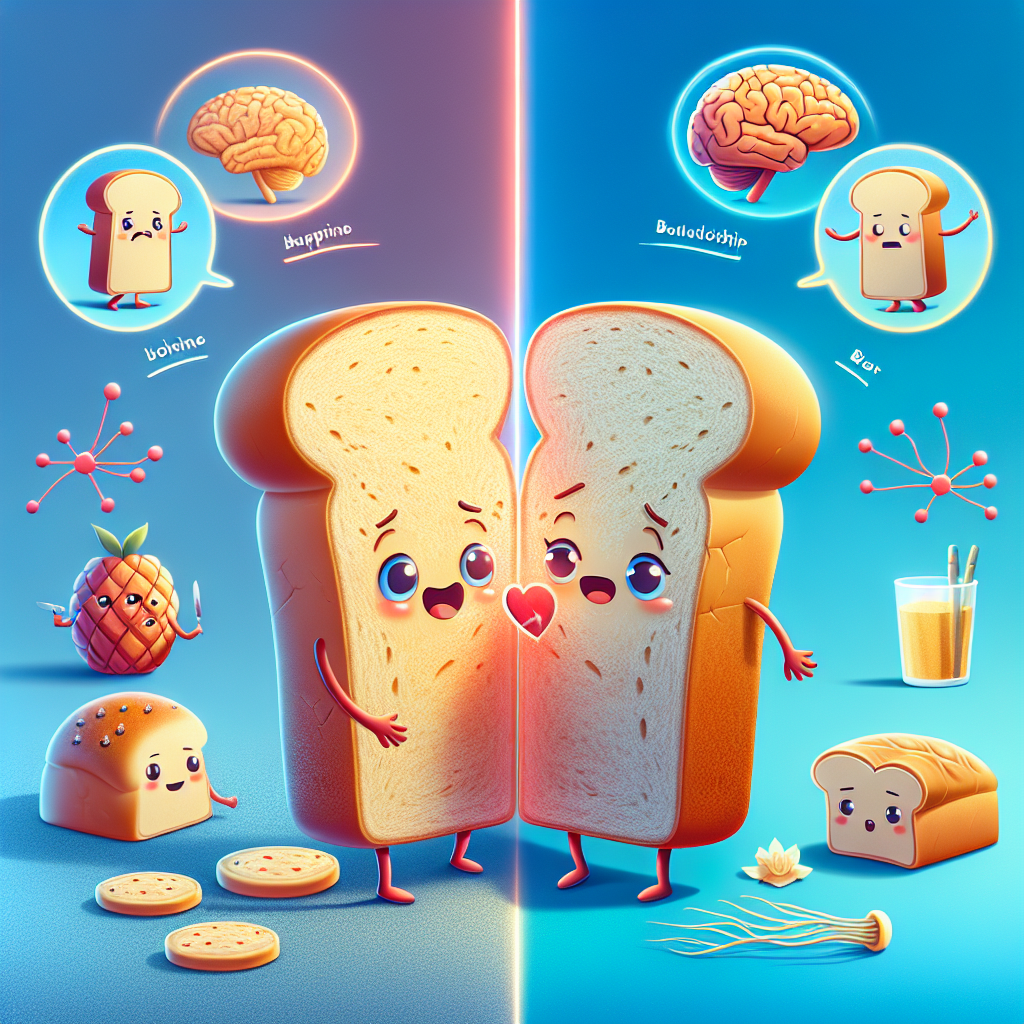
Why Giving Up Bread Feels Like Heartbreak: The Neuroscience of Carb Addiction
The Emotional Struggle of Letting Go of Carbs
In the world of health and wellness, few topics divide opinions as much as carbohydrates. Popular diets like keto and paleo have made cutting carbs—especially refined ones such as white bread—a cornerstone of weight loss strategies. But for many, giving up bread feels far more personal than just a diet choice. It can feel like ending a meaningful relationship.
The reason for this isn’t just psychological—it’s deeply rooted in brain chemistry. A 2013 study published in The American Journal of Clinical Nutrition found that highly processed carbs such as white bread and sugary snacks activate the brain’s reward centers in a manner similar to addictive substances. This neurobiological reaction may explain why simply thinking about going low-carb can feel daunting and emotionally charged.
Why Refined Carbohydrates Are So Hard to Resist
What makes refined carbs like white bread so compelling? It all begins with how the brain responds to them.
When you consume refined carbohydrates, your body rapidly digests them into glucose, resulting in a quick blood sugar spike. This triggers the release of dopamine—a neurotransmitter associated with pleasure and reward. Dopamine is also released during satisfying experiences like intimacy or drug use, which explains the euphoric response some people feel after eating carbohydrate-heavy foods.
A study by Connecticut College demonstrated that Oreo cookies activated more neurons in a rat’s pleasure center than cocaine, highlighting just how profoundly certain foods can impact the brain.
According to Dr. Nicole Avena, a neuroscientist specializing in food addiction, “When people eat refined carbohydrates, it’s not merely about enjoying the taste. Their brains develop a craving that can mirror the withdrawal symptoms seen in substance addiction.” Symptoms like irritability, headaches, anxiety, and mood swings may occur when these foods are suddenly removed from the diet, making it tough to break the cycle.
The Emotional Role of Bread in Our Lives
Bread is more than a dietary staple—it often holds deep emotional significance. From dinner rolls at family gatherings to that comforting morning toast, bread is interwoven with some of our warmest memories and rituals.
Psychologist Susan Albers, author of Eating Mindfully, explains, “We associate specific foods with emotional experiences. Bread often symbolizes comfort, safety, and affection—it’s a food that nourishes more than just the body.”
When you consume refined carbs, your brain receives a rush of dopamine, reinforcing those emotional bonds. So, removing foods like white bread from your diet can feel like losing a familiar source of security and happiness.
Consider all the roles bread plays in social traditions—think of holiday meals, brunches with friends, or dates punctuated by a bread basket. Giving up these foods doesn’t just change your diet; it can leave an emotional gap that many find hard to fill.
Understanding the Biochemistry: Dopamine, Serotonin, and Mood
While dopamine plays a primary role in food-related reward behavior, serotonin—another crucial neurotransmitter—is equally important in influencing mood and emotional balance.
Eating easily digestible carbohydrates boosts the availability of tryptophan in the brain, which leads to an increase in serotonin. This explains why many people instinctively reach for carb-rich foods during times of stress, sadness, or fatigue—they’re unknowingly seeking a chemical mood boost.
When refined carbs are restricted or eliminated, serotonin levels may decrease, leading to symptoms like irritability, low energy, and depressive feelings. These changes aren’t signs of weakness or lack of willpower—they reflect the neurochemical shifts that occur in the brain during dietary changes.
A publication in the Journal of Psychiatry & Neuroscience confirms that low-carb diets can result in noticeable mood changes due to the reduction in tryptophan and serotonin production.
How to Manage Carb Withdrawal: A Balanced, Supportive Approach
Understanding the brain science behind carb addiction is the first step. The next is adopting practical strategies that help ease the transition and foster long-term well-being.
Here are four effective ways to manage refined carb withdrawal:
1. Gradually Reduce Intake Instead of Going Cold Turkey
Sudden elimination of carbs can shock your system. Instead, ease down gradually. Replace white bread with whole-grain alternatives and reduce portion sizes over time. This helps your brain adapt more comfortably to the changes in dopamine and serotonin activity.
2. Support Brain Chemistry Through Nutrition and Lifestyle
Include foods known to bolster mood and neurotransmitter function, such as turkey, eggs, bananas, avocados, leafy vegetables, and probiotic-rich yogurt. Regular physical activity and mindfulness practices like meditation also support a healthy mental state and can improve emotional resilience.
3. Adopt Mindful Eating Habits
Maintaining a food and mood journal can help you identify patterns between emotional states and food cravings. This practice builds awareness and helps distinguish between emotional and physical hunger, making it easier to respond consciously rather than habitually.
4. Seek Emotional and Social Support
Join a health-focused group or work with a nutritionist or therapist to receive encouragement and accountability. Navigating emotional withdrawal becomes easier when you share the journey with others. Online platforms provide expert articles, support forums, and access to professional advice, creating a community around your wellness goals.
One user shared her experience in an online support forum, saying her withdrawal from sugar-laden carbs felt like “a breakup you have to go through to grow stronger.” Her words capture just how emotionally intense this journey can be, and how transformative the process becomes.
Rewiring Your Relationship With Food
If giving up bread feels like heartbreak, it’s not just in your mind—it’s in your neural networks. Refined carbs affect the brain similarly to addictive substances, and eliminating them can trigger powerful emotional and chemical reactions.
But the process doesn’t end there. With patience, support, and the right strategies, your brain gradually rebalances. Cravings diminish, mood stabilizes, and healthier, more nourishing food habits take root.
As Dr. Avena puts it: “The first step to breaking a food addiction is understanding that it’s not just willpower. It’s biology—and you can take back control through education and small, consistent actions.”
Saying goodbye to refined carbs like white bread isn’t about deprivation. It’s an opportunity to build a new relationship with food—one that prioritizes nourishment, balance, and emotional well-being.
Sources
– Gearhardt, A. N., Corbin, W. R., & Brownell, K. D. (2009). Food addiction: an examination of the diagnostic criteria. Journal of Addiction Medicine.
– Schulte, E. M., Avena, N. M., & Gearhardt, A. N. (2015). Which foods may be addictive? The roles of processing, fat content, and glycemic load. PLoS One.
– Benton, D. (2002). Carbohydrate ingestion, blood glucose and mood. Neuroscience & Biobehavioral Reviews.
– American Journal of Clinical Nutrition. https://ajcn.nutrition.org/article/S0002-9165(23)14578-3/
– edrugstore.com: Lifestyle and Mental Health Resources for Diet and Wellness Support.
Related posts
Cheat Meal Choices: Understanding the Long-Term Metabolic Impact and Caloric Compensation Strategies
Indulging in cheat meals doesn’t have to sabotage your fitness goals. In “Cheat Meal Choices: Understanding the Long-Term Metabolic Impact and Caloric Compensation Strategies,” we explore how smart cheat meal planning can fuel your metabolism and satisfy cravings without derailing progress. Discover how to indulge wisely and harness your body’s natural compensatory mechanisms!
Navigating the Metabolic Balancing Act: How Strategic Cheat Meals Can Break Weight Loss Plateaus Without Derailing Progress
Unlock the secret to sustainable weight loss! “Navigating the Metabolic Balancing Act” reveals how strategic cheat meals can triumph over stubborn plateaus. Discover the art of indulging without guilt, rejuvenate your metabolism, and transform your fitness journey. Don’t let progress stall—embrace smart indulgence and keep your goals on track!
