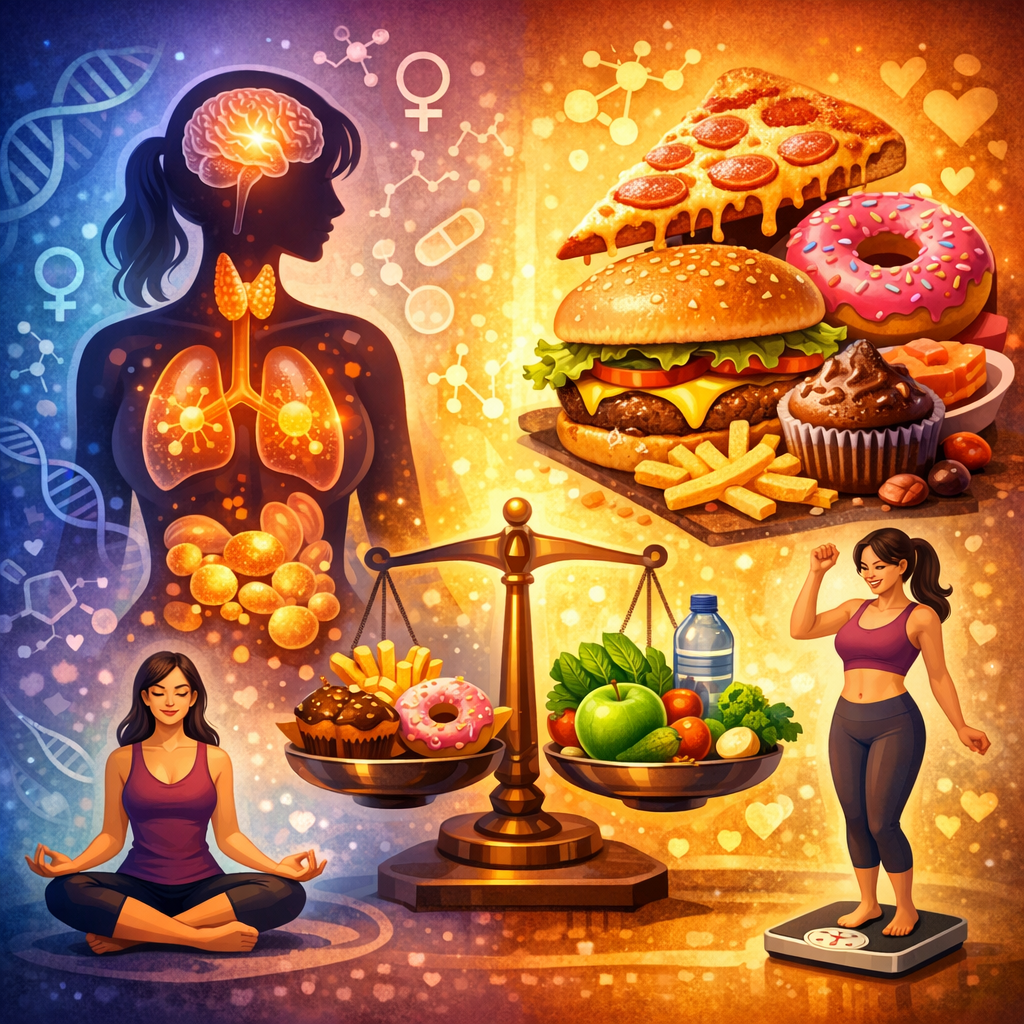
### The Hidden Role of Hormones in Cheat Meals: Unlocking the Secret to Effortless Weight Maintenance
In the journey toward healthy living and weight management, cheat meals have often been viewed with mixed feelings of guilt and indulgence. However, understanding the hormonal dynamics at play can transform cheat meals from a dietary misstep into a strategic tool. Let’s explore the fascinating role hormones like insulin, leptin, and ghrelin have in creating a diet that is both effective and sustainable.
### The Role of Hormones in Metabolism
Hormones are the body’s essential messengers, influencing everything from mood to metabolic rate. Central to the discussion about cheat meals are three key hormones: insulin, the regulator of blood sugar levels; leptin, the satiety signaler; and ghrelin, the hunger instigator. Understanding these hormones is the first step toward discovering how cheat meals can support your weight maintenance goals.
### Insulin: The Multifaceted Hormone
Insulin is often discussed regarding carbohydrate ingestion and energy storage. After consuming a carbohydrate-rich cheat meal, insulin spikes, prompting cells to absorb glucose from the bloodstream. While constantly elevated insulin levels can lead to fat storage, occasional rises can boost glucose utilization and replenish muscle glycogen.
Strategically timed cheat meals, particularly after intense workouts, can optimize insulin’s actions. Muscles are more receptive to insulin post-exercise, meaning carbohydrates ingested during this period are more likely to be stored as muscle glycogen rather than fat. Thus, a cheat meal following a workout isn’t just permissible—it can be beneficial.
### Leptin: The Satiety Signal
Leptin, a hormone produced by fat cells, communicates with the brain about the body’s energy reserves, influencing appetite and metabolic rate. During prolonged calorie restriction, leptin levels tend to drop, signaling reduced energy availability. This often leads to increased hunger and a slower metabolism, making weight loss challenging over time.
Cheat meals come into play by temporarily increasing caloric intake, boosting leptin levels, and signaling to your body that energy is plentiful. This can reset your metabolism, temporarily alleviating the body’s tendency to conserve energy, and in turn, making sustained weight loss or maintenance more achievable.
### Ghrelin: Managing Hunger with Cheat Meals
Ghrelin, often termed the “hunger hormone,” is produced primarily in the stomach. It signals hunger to the brain, peaking just before meals and decreasing shortly after eating. Dieting can elevate ghrelin levels, intensifying hunger pangs and making adherence to a calorie-restricted diet difficult.
Strategic cheat meals can modulate ghrelin levels, temporarily satisfying heightened hunger and reducing the psychological burden of dietary restriction. According to Dr. Amy Lee, Chief Medical Officer at Lindora Clinic, “Periodic indulgence can help keep dietary efforts on track by reducing cravings and promoting compliance.”
### Crafting the Perfect Cheat Meal
To maximize the hormonal benefits of cheat meals, it’s crucial to approach them with intention rather than as arbitrary indulgences:
1. **Timing is Crucial**: Align cheat meals with post-exercise recovery or periods of significant dietary fatigue to enhance insulin sensitivity and reset leptin levels.
2. **Balance and Nutrition**: While it’s tempting to indulge in high-carb or high-fat options, incorporating protein can help moderate blood sugar responses and support muscle recovery.
3. **Portion Control**: A cheat meal should be satisfying but not excessive. Overeating can negate the metabolic boost benefits and lead to guilt, potentially derailing your overall dietary goals.
4. **Mindful Eating**: Enjoy your cheat meals fully by noticing the textures and flavors. Mindfulness enhances satisfaction, making it easier to return to routine eating patterns.
### Finding Balance in Dietary Strategy
Integrating cheat meals into a balanced dietary framework underscores a critical truth: successful weight maintenance is less about constant restriction and more about hormonal harmony and psychological balance. Understanding the vital role hormones play allows cheat meals to be seen not as deviations from a diet but as components of a broader, more adaptable dietary strategy.
### Conclusion: Embrace Hormonal Harmony
Cheat meals, when properly understood and executed, are more than momentary indulgences; they are strategic tools that can tip the scales in favor of effortless weight maintenance. By harmonizing the body’s hormonal symphony—insulin, leptin, and ghrelin—we can transform our relationship with food, embrace balance, and maintain our health goals with ease. The secret lies not in resistance but in the informed embrace of our biological instincts. Bon appétit to a more enlightened, sustainable approach to eating!
Related posts

Navigating Weekend Overindulgence: How Cheat Meals Impact Progress and Strategies for Sustainable Balance
Struggling with weekend overindulgence? Dive into our latest post, “Navigating Weekend Overindulgence: How Cheat Meals Impact Progress and Strategies for Sustainable Balance.” Discover how cheat meals can be a double-edged sword and learn expert strategies to enjoy indulgences guilt-free, while maintaining your health goals. Unlock the secrets to a balanced lifestyle today!

Navigating Cheat Meals: How Strategic Indulgences Can Help Overcome Weekend Weight Loss Plateaus
Unlock the secret to overcoming weekend weight loss plateaus with strategic indulgences! Discover how navigating cheat meals can boost your metabolism and keep you on track. Learn the art of mindful indulgence that satisfies cravings without derailing your progress. Ready to transform your weekends and hit your goals? Dive in now!
