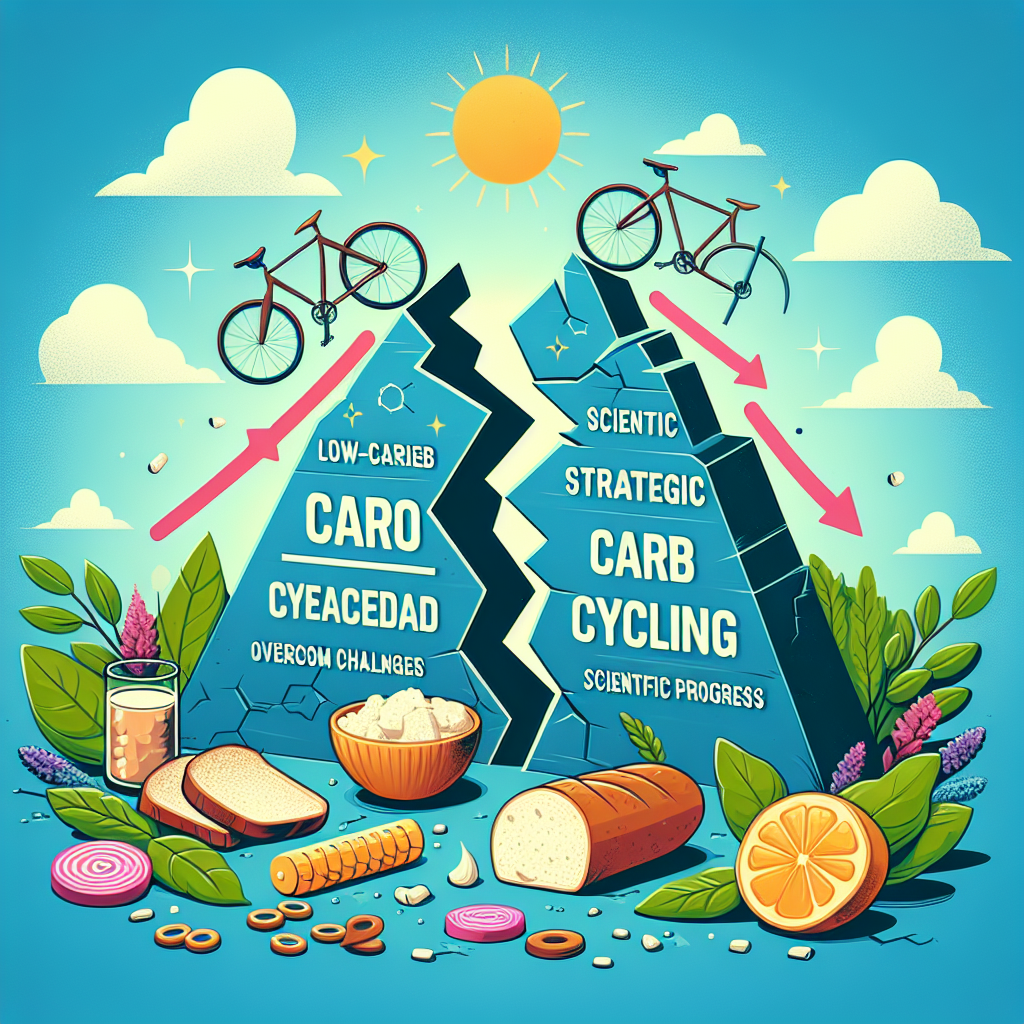
The Keto Plateau Breaker: Strategic Carb Cycling for Long-Term Success
If you’ve been thriving on the ketogenic diet — shedding pounds, feeling energized, and torching fat — only to suddenly feel stuck, you’re not alone. About half of keto dieters hit a frustrating weight loss plateau within 3 to 6 months of strict low-carb living (Harvard Health Publishing, 2021). The solution? Strategic carb cycling — a smart, science-driven method to kickstart progress, reset key hormones, and reignite fat burning.
This guide will explain why plateaus happen on keto, how carb cycling works, and how to reintroduce carbs in a targeted way to supercharge your results.
Why Keto Plateaus Happen
Let’s clear something up — hitting a plateau isn’t a failure or a matter of willpower; it’s how your body naturally adapts. When you eliminate carbs, your metabolism shifts from burning glucose to burning fat for energy — entering the state of ketosis.
During the early stages, weight loss is rapid due to water loss and hormonal changes. But over time, the body becomes more efficient and conservative. Thyroid hormone (especially T3) can drop, reducing your metabolic rate (Müller et al., 2016). You may also experience decreased calorie burn and slowed fat loss.
Dr. Sarah Hallberg, a pioneer in ketogenic health, describes this adaptation as the body’s way of defending itself from perceived starvation: “The key to overcoming this is gently signaling safety — and that’s where smart carb cycling plays a powerful role.”
Understanding Carb Cycling
Carb cycling is a planned variation of carbohydrate intake throughout the week. It involves periods of low-carb eating (typical keto) followed by planned refeed days involving higher, clean carbohydrate consumption.
Unlike traditional “cheat” days, which often encourage overindulgence in processed foods, carb cycling focuses on nutrient-rich, whole-food carbs such as:
– Sweet potatoes
– Beets
– Quinoa
– Butternut squash
– Berries
Common carb cycling styles include:
– Five days of keto followed by two carb refeed days (5:2 Method)
– Targeted Keto, incorporating carbs around workouts
– Cyclical Ketogenic Diet (CKD), sticking to keto on weekdays and increasing carbs on weekends
These structured carb variations are designed to stimulate metabolism, improve hormonal function, and support fat loss without derailing your progress. A 2020 study in the Journal of Obesity & Metabolic Syndrome found that carb cycling improved insulin response and fat-burning capabilities in resistance-trained individuals.
How Carb Cycling Works in the Body
Yes, carbohydrates will temporarily reduce your ketone levels — but that’s intentional. Done strategically, a carb refeed can provide major benefits:
1. Boosting Leptin and Controlling Appetite
When you’re in a long-term calorie deficit, leptin — the hormone that signals satiety — tends to decrease, while ghrelin — the hunger hormone — increases. Controlled carb intake temporarily raises leptin levels, helping curb cravings and restore metabolic balance (Rosenbaum & Leibel, 2002). According to nutrition expert Dr. Layne Norton, strategic carb refeeding helps counteract diet fatigue and prolong fat loss safely.
2. Supporting Your Thyroid and Metabolism
Chronic low-carb eating has been associated with reduced production of T3, the thyroid hormone critical for metabolic function. Strategic carb refeed days provide your body with the energy it needs to enhance thyroid activity and maintain a strong metabolism.
3. Replenishing Glycogen for Better Workouts
Carbohydrates restore glycogen levels in your muscles, giving you extra fuel to boost exercise performance. A study from the Journal of the International Society of Sports Nutrition found that higher glycogen levels enhanced strength training results and improved recovery.
Example: Serena, a 34-year-old CrossFit enthusiast, stalled after three months on strict keto. Introducing one carb refeed day around her intense squat training unlocked new strength gains and reignited her fat loss.
4. Enhancing Insulin Sensitivity
Surprisingly, strategic carb intake — especially around workouts — can actually improve how efficiently your body uses insulin. A 2018 study in Metabolism found that cyclical carbohydrate intake improved insulin response in long-term keto followers, without promoting fat gain.
How to Carb Cycle on a Keto Diet
Now that you know the benefits, here’s a step-by-step approach to implementing carb cycling without sabotaging your results.
1. Begin with One Refeed Day Per Week
Start conservatively. Add one higher-carb day weekly, aimed at 100–150 grams of net carbs, depending on your activity level and goals.
Best carbohydrate choices include:
– Sweet potatoes
– Butternut squash
– Ripe bananas (ideal pre-workout)
– Berries
– Quinoa or oats (great for active individuals)
Use a tracking app like Cronometer to monitor intake and avoid going overboard.
2. Reduce Fat Intake on Carb Days
High fat combined with high carbohydrates can lead to fat gain. On refeed days, reduce your fat intake to stay in caloric balance. Keep protein moderate — around 1 gram per pound of lean body mass.
Example: If you typically consume 150 grams of fat on keto, consider lowering that to 60–70 grams on your refeed days.
3. Time Carb Intake Around Your Workouts
Exercise boosts insulin sensitivity and helps your muscles absorb glucose more effectively. Plan your carb refeed within a few hours before or after intense training sessions, such as heavy lifts or HIIT.
4. Track Your Progress and Adjust Accordingly
Every body responds differently. Monitor your energy levels, sleep, weight fluctuations, and hunger cues. If you consistently feel better and leaner after adding one or two carb days per week, you’re likely on the right path.
Common Mistakes to Avoid When Carb Cycling
Even smart tactics can backfire if misapplied. Avoid these pitfalls:
– Overeating on refeed days — Stick to your carb target, not indulgence.
– Picking the wrong carbs — Skip processed foods; focus on nutrient-dense, slow-digesting carbs.
– Forgetting to lower fat — High-fat plus high-carb can lead to weight gain.
– Obsessing over ketone readings — Your ketones will temporarily drop. That’s by design.
Is Carb Cycling Right for You?
Carb cycling isn’t for everyone. You may benefit from incorporating it if you:
– Have followed keto consistently for 6–8+ weeks
– Aren’t seeing continued fat loss
– Engage in high-intensity training (strength or sprint-focused)
– Feel fatigued or suspect suboptimal thyroid function
– Are managing a long-term calorie deficit
However, if you’re new to keto, give your body time to adapt. Wait at least six to eight weeks before experimenting with carb cycling.
Final Thoughts: Use Carbs as a Strategic Tool
Carb cycling isn’t a step backward — it’s a strategic move forward. It allows keto to remain sustainable, dynamic, and aligned with your fitness and health goals. Instead of viewing carbs as the enemy, use them as a tool to fuel your progress.
When used correctly, carb cycling can:
– Break through frustrating plateaus
– Boost your energy and training performance
– Support healthy hormone and thyroid function
– Help you maintain long-term results without burnout
So, if you’ve hit a wall in your keto journey, strategic carb cycling may be exactly what you need to spark that next breakthrough.
Share Your Story
Have you tried carb cycling on your keto journey? Let us know how it worked for you in the comments. Your experience could inspire someone else to get back on track.
Sources
– Harvard Health Publishing. (2021). Ketogenic diet: Is the ultimate low-carb diet good for you? Retrieved from https://www.health.harvard.edu/staying-healthy/should-you-try-the-keto-diet
– Müller, M.J., et al. (2016). Metabolic adaptation to caloric restriction and diet-induced weight loss: implications for the maintenance of reduced body weight. Obesity Reviews.
– Rosenbaum, M., & Leibel, R. L. (2002). Leptin, weight maintenance, and the regulation of energy balance. The Journal of Clinical Endocrinology & Metabolism.
– Antonio, J., & Ciccone, V. (2013). The effects of pre versus post workout supplementation of creatine monohydrate on body composition and strength. Journal of the International Society of Sports Nutrition.
– Metabolism: Clinical and Experimental. (2018). Insulin sensitivity increases with cyclical carbohydrate intake.
– eDrugstore.com — Supporting thyroid health through lifestyle: https://www.edrugstore.com/blog/hair-and-skin/thyroid-balance-tips
Stay focused, stay fueled, and keep pushing forward!
Related posts

Why Eating the Same Breakfast Can Reduce Daily Cravings
Discover the secret to curbing daily cravings with a simple yet powerful breakfast routine. By eating the same nutritious breakfast every morning, you create a sense of stability and satisfaction that can prevent unnecessary snacking and temptations throughout the day. Transform your mornings and watch your cravings disappear. Ready to give it a try?

The Role of Routine in Reducing Decision Fatigue Around Food
In today’s fast-paced world, decision fatigue is a common hurdle, especially around food choices. Embrace the power of routine to simplify your meals and boost your energy. By automating decisions, you free your mind to focus on what truly matters. Discover how establishing a meal routine can transform your daily life.
