
### Understanding the Cheat Meal Dynamics: Decoding the Weekend Weight Rebound
In the fitness journey towards achieving long-term health goals, many individuals encounter the concept of the “cheat meal”—an intentional indulgence that deviates from strict eating plans. While allowing some dietary flexibility offers psychological relief and helps maintain motivation, it can also lead to the “weekend weight rebound.” This phenomenon occurs when indulgence results in unexpected fluctuations on the scale. Cheat meals’ impact is not just a minor inconvenience; when not carefully managed, they can significantly affect both short and long-term objectives. Here’s an in-depth look at how cheat meals might either hinder or help your fitness aspirations.
### Exploring the Psychology Behind Cheat Meals
One major reason people incorporate cheat meals is the psychological freedom they provide. The opportunity to enjoy favorite dishes without guilt helps avoid the feelings of deprivation often associated with strict diets. This mental break enhances dietary adherence throughout the week. According to Dr. Susan Albers, a clinical psychologist, the brain’s reward pathways are activated, “boosting mood and motivation, thereby encouraging a return to healthier eating patterns.”
However, cheat meals can also cause mental setbacks. Overindulging beyond planned limits might lead to guilt, which can trigger spirals of overeating or emotional eating, undermining long-term success.
### Cheat Meals and Their Physiological Effects
From a physiological perspective, cheat meals can act as a “metabolic reset,” temporarily boosting metabolism by increasing calorie intake and helping to prevent metabolic decline associated with continuous calorie restriction. This can aid in sustaining or even boosting fat loss.
Conversely, too frequent or heavy cheat meals can create a caloric surplus that negates weekly calorie deficits, potentially causing a weekend weight rebound. Finding a balance is crucial to ensure these meals enhance metabolism rather than hinder progress.
### Guidelines for Utilizing Cheat Meals Effectively
To harness the potential of cheat meals without derailing progress, consider these guidelines:
1. **Plan and Strategize:** Schedule cheat meals ahead of time, aligning them with events or weekends when temptations are higher. This strategy can help manage indulgences better.
2. **Emphasize Portion Control:** Enjoy the treat, but remain mindful of portion sizes. Keep servings reasonable to prevent a cheat meal from turning into a cheat day.
3. **Focus on Nutrient Balance:** Include nutritional elements in cheat meals. For example, pair a slice of pizza with a salad to ensure positive nutrient intake.
4. **Monitor Frequency:** Limit cheat meals to once a week to avoid bingeing on calories and veering off track.
5. **Practice Mindful Eating:** Savor each bite, listen to hunger cues, and enjoy the meal without distractions, enhancing satisfaction and curbing overeating.
6. **Smart Compensation:** Offset a cheat meal with increased physical activity or lighter meals before and after indulgence to counteract excess calories.
### Reflecting on Long-Term Goals
Regularly revisiting long-term goals helps maintain focus and perspective. Each cheat meal should be seen as part of your broader health journey, serving as a tool for sustainability rather than escapism. According to a recent study published in the Journal of Obesity, “thoughtfully incorporating cheat meals can aid in supporting a long-term balanced approach to dieting.”
### Fostering a Healthy Relationship with Food
Ultimately, achieving health and fitness involves cultivating a sustainable relationship with food, allowing for indulgence without guilt. Cheat meals can fit into a healthy lifestyle if approached mindfully and strategically. Emphasizing the long-term picture and staying aware of personal triggers ensures that cheat meals serve their intended purpose without unintended consequences.
By understanding both the potential benefits and drawbacks of cheat meals, you can enjoy them without compromising your goals, maintaining a harmonious balance that supports your physical and mental well-being.
Related posts
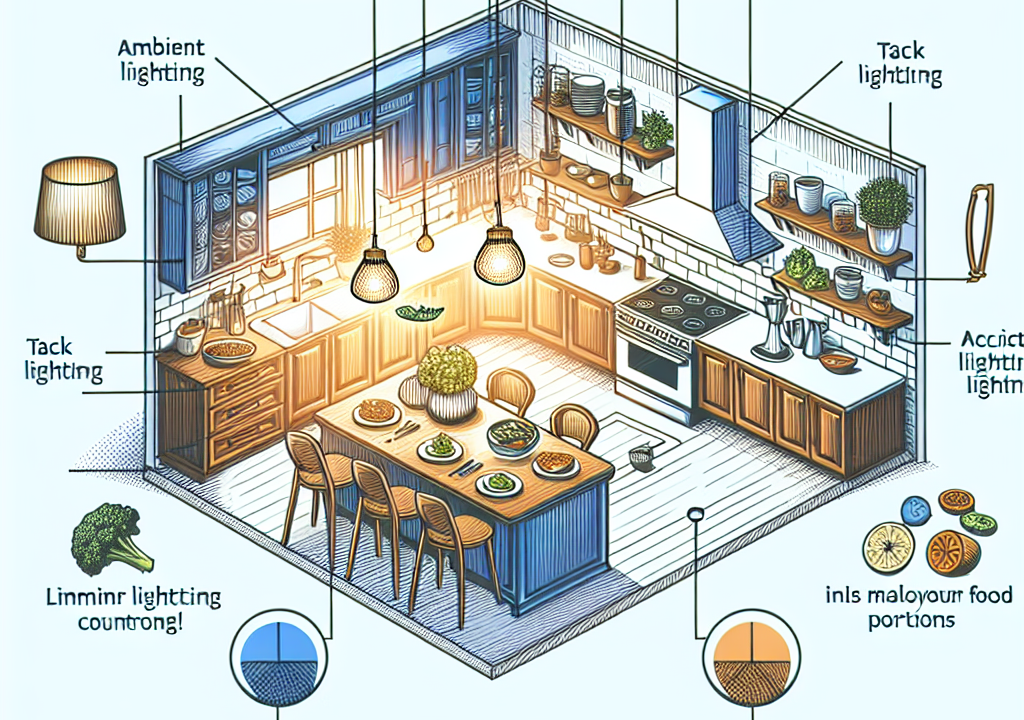
How Lighting in Your Kitchen Impacts Portion Control
Transform your kitchen into a haven of wellness with the right lighting! Discover how strategically placed lighting can subconsciously encourage healthier portion control. Say goodbye to oversized servings and hello to mindful eating. Ready to illuminate your path to better health? Dive into our guide and revolutionize your dining experience today!
The Science of Food Pairing: Why Certain Combos Feel Addictive
Unlock the culinary secrets behind addictive flavor combinations! Delve into The Science of Food Pairing and discover why certain combos captivate our taste buds. From the savory allure of cheese and wine to the sweet perfection of chocolate and strawberries, learn how to effortlessly elevate your dining experiences with scientifically proven pairings.
