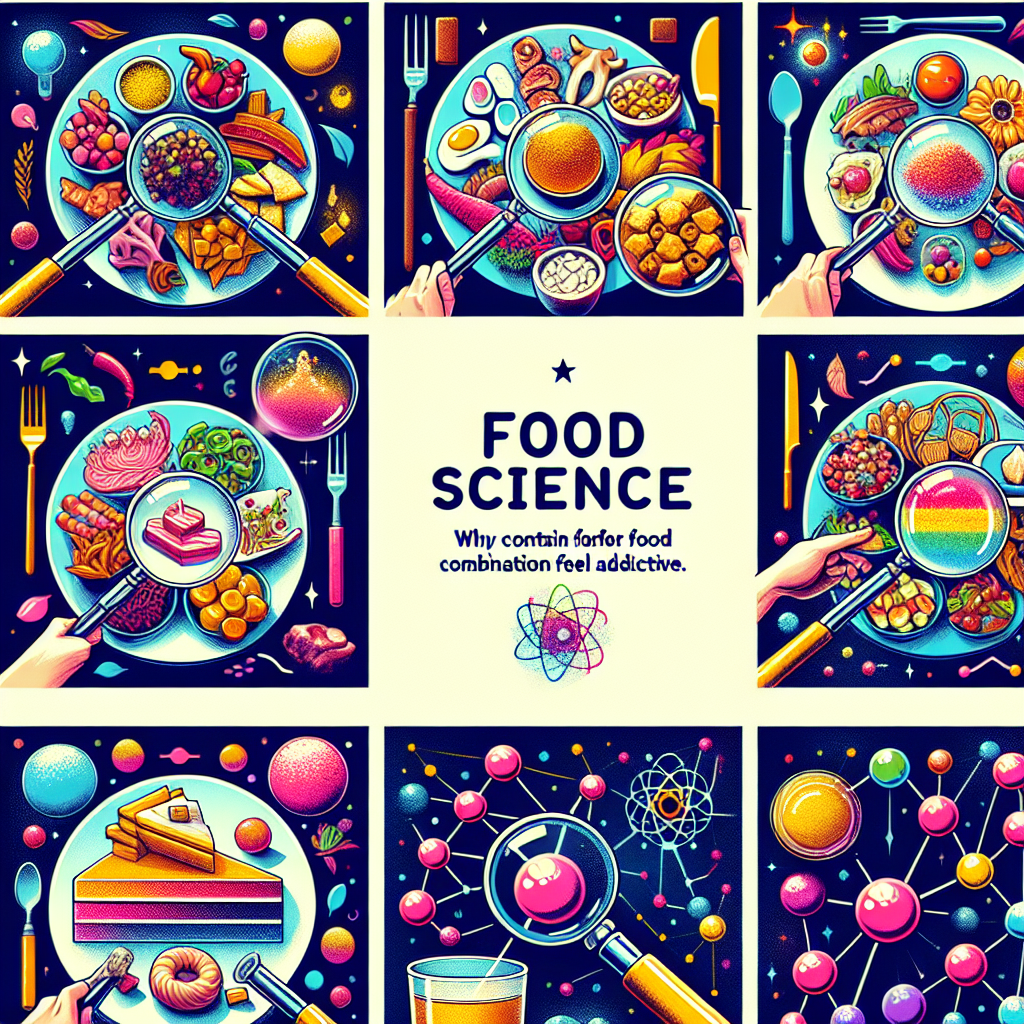
**The Science of Food Pairing: Why Certain Combos Feel Addictive**
In the vibrant world of gastronomy, the art of food pairing captivates chefs, scientists, and food enthusiasts alike. While taste is famously subjective, some combinations seem universally beloved and often addictive. From the time-honored peanut butter and jelly duo to more daring pairings like chocolate and chili, these combos delight our palates in unique and rewarding ways. But what makes them so irresistible? The answer lies at the fascinating intersection of science and sensory perception.
### The Basics of Taste and Flavor
To appreciate why some food pairings have an addictive quality, it’s crucial to grasp the fundamentals. Our taste buds detect five core tastes: sweet, sour, salty, bitter, and umami (savory). Yet, flavor is a more intricate experience, woven together by taste, smell, and texture. As Chef Anthony Bourdain wisely noted, “Good food is very often, even most often, simple food.” Our olfactory receptors in the nose play a significant role, capturing aromas that blend with taste to create our overall impression of flavor.
### Molecular Influence on Flavor Pairing
One key factor in successful food pairing is the presence of complementary or contrasting flavor molecules. Research in the journal Chemical Senses reveals that foods contain chemical compounds that can either enhance or mute each other’s flavors. For example, chocolate contains a molecule called anandamide, which induces a sense of euphoria similar to endorphins. Meanwhile, chili brings capsaicin to the table, lending a spicy punch. Together, they create a complex sensory experience that amplifies pleasure and satisfaction.
### Complementary Flavors: A Harmonious Symphony
Complementary flavors often yield addictive combinations by elevating the overall eating experience. This dynamic explains why pairings like strawberries and cream or tomato and basil remain perennial favorites. A report by the National Academy of Sciences found that when flavors complement each other, they frequently share one or more flavor compounds. This creates a harmonious taste experience that feels natural and gratifying. The balance and depth of such pairings evoke a sense of comfort and joy that keeps us returning for more.
### Contrasting Flavors: An Intriguing Dance
While complementary flavors harmonize, contrasting flavors introduce intrigue and complexity into our sensory experience. Pairings such as salty pretzels with sweet caramel or sharp cheese with sweet fruit play with our expectations and spark interest. Chef Samin Nosrat points out that contrasting flavors stimulate different parts of our palate simultaneously, keeping our taste buds engaged and intrigued.
### The Psychology Behind Food Pairing
Beyond chemistry and sensory experience, psychology significantly influences why certain food pairings feel addictive. Findings from a review by the American Psychological Association suggest that our brains are programmed to seek pleasure and avoid pain. Foods that combine sugar, fat, and salt trigger the release of feel-good neurotransmitters like dopamine, making us feel happy and rewarded.
Moreover, food pairing can evoke emotional memories and cultural associations, making some combinations feel particularly nostalgic or satisfying. Dr. Paul Rozin, a renowned psychologist, explains that “food habits offer a glimpse into our time and culture.” The familiar smell and taste of a dish can transport us back to our childhood or significant moments, enhancing the addictive nature of the experience.
### Evolutionary Influences on Food Preferences
Human evolution also sheds light on our attraction to specific food combinations. Our ancestors had to discern which foods were safe to consume, with flavor playing a crucial role. Studies in the Journal of Archaeological Science show that sweetness often indicated high-energy food sources like fruits, while bitterness could signal toxins. Over time, humans evolved to enjoy certain flavors that indicated calorically dense and nutrient-rich foods, such as the combination of sweet fruits and savory meats.
### Modern Culinary Techniques and Food Pairing
Today, chefs and food scientists leverage this scientific understanding to innovate and experiment with new flavor pairings. Techniques such as molecular gastronomy delve into the chemistry of food to create unexpected yet delightful combinations. By manipulating the molecular structure of ingredients, chefs craft unique textures and presentations that add an exciting layer to traditional tastes. For those interested in exploring further, platforms like edrugstore.com offer resources on culinary advancements.
### Conclusion: Reveling in the Joy of Food Pairing
The science of food pairing is a captivating blend of chemistry, psychology, and culture, allowing us to understand why certain combinations feel addictive. Whether it’s the harmonious blend of complementary flavors or the intriguing contrast of opposing tastes, these pairings enrich our culinary experiences and bring joy to our lives. As we continue to explore the endless possibilities of flavors, the future of food pairing looks deliciously promising.
So the next time you indulge in your favorite food combination, take a moment to appreciate the intricate dance of molecules, memories, and evolution that make it so irresistible. Who knows? You might just discover your next addictive culinary adventure.
Thank you for reading! Feel free to leave your comments or share your favorite food pairings down below.
Related posts
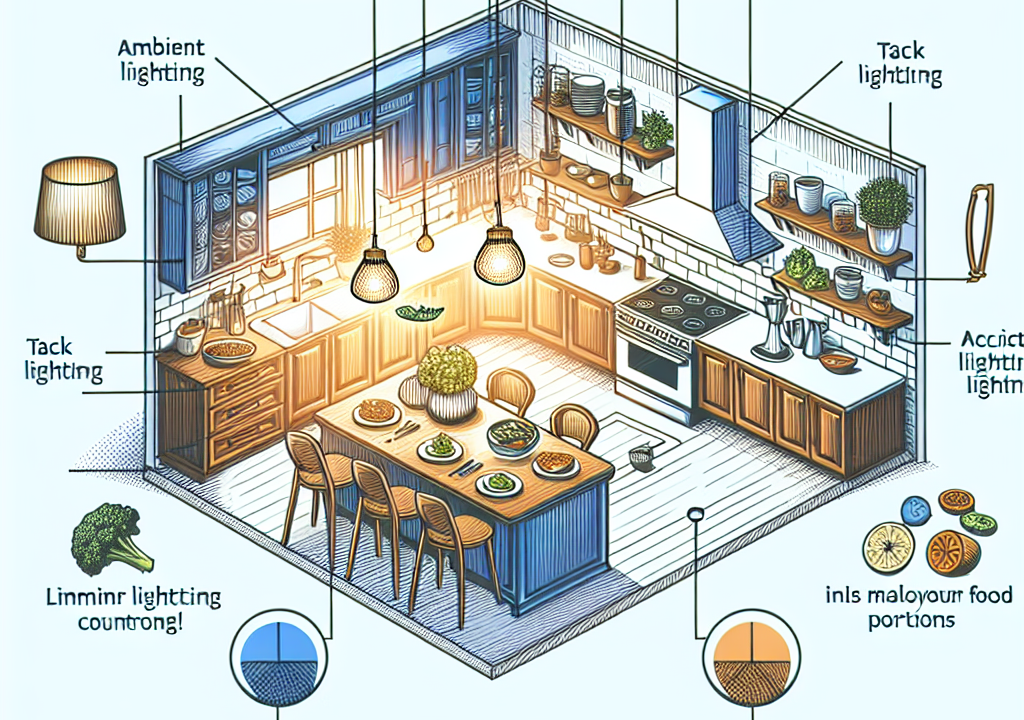
How Lighting in Your Kitchen Impacts Portion Control
Transform your kitchen into a haven of wellness with the right lighting! Discover how strategically placed lighting can subconsciously encourage healthier portion control. Say goodbye to oversized servings and hello to mindful eating. Ready to illuminate your path to better health? Dive into our guide and revolutionize your dining experience today!
Why Your Taste Preferences Change Every 7 Years
Ever notice how your favorite foods aren’t quite the same anymore? It’s not just you—our taste buds undergo a fascinating transformation every 7 years! Dive into the science of evolving taste preferences and discover how this natural cycle can enhance your culinary experiences and health. Uncover new flavors today!
