**Title: The First Bite Effect: Why the First Taste Matters More Than the Last**
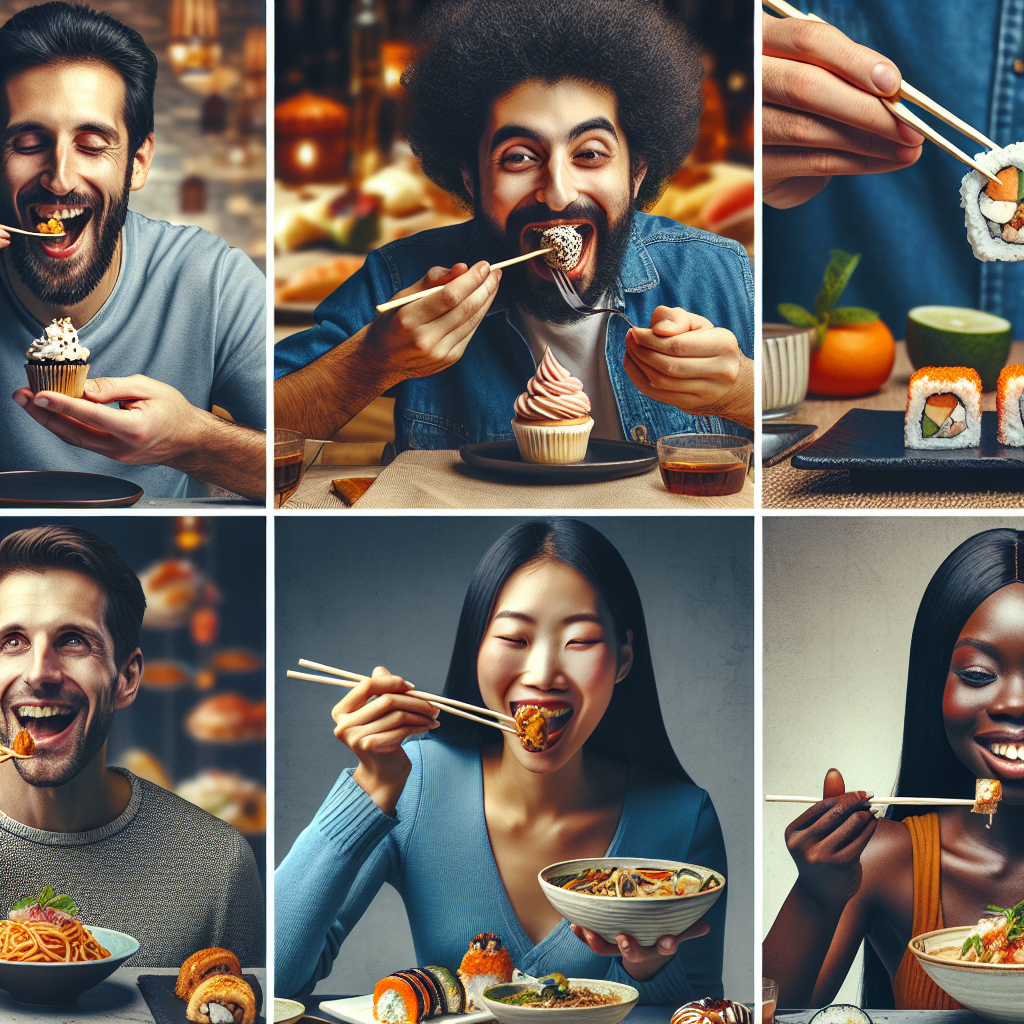
When you think about eating your favorite meals, what comes to mind? Perhaps it’s the succulent burst of a juicy steak in that first bite or the delightful explosion of flavors from a spoonful of perfectly spiced curry. This initial taste experience plays a crucial role in how we perceive and remember our meals. This concept is known as the “First Bite Effect.”
### Understanding the First Bite Effect
The First Bite Effect is both a cognitive and sensory phenomenon. It suggests that the initial taste of food significantly shapes our overall perception and enjoyment of a meal. This idea aligns with the psychological principle that first impressions often carry more weight than later experiences. In the context of dining, that initial bite sets the stage for how we evaluate flavors, textures, and the pleasure derived from eating.
### The Neuroscience Behind Taste
To understand the First Bite Effect, it’s essential to delve into the science of taste. Our taste buds have receptors that identify five basic taste sensations: sweet, sour, salty, bitter, and umami. When you take your first bite, these receptors send signals to the brain, creating an initial flavor profile. This information is then processed alongside other sensory inputs like smells, textures, and visual cues, resulting in a comprehensive sensory experience.
Neuroscientific research indicates that the brain’s response to the first taste is especially strong. It primes your sensory system and sets a baseline expectation for the rest of the meal. This initial sensation engages emotional responses and memory areas in the brain, making the first bite a crucial component of how enjoyable we find a meal. As Dr. Katie Harris explains, “The initial impact of flavors activates our senses more vividly, setting the tone for the entire meal.”
### Why the First Bite Holds More Power
1. **Sensory Saturation**: As you continue eating, your taste buds become more saturated, reducing your ability to perceive flavors intensely. This is why the first bite often feels more rewarding than the last. For instance, the first sip of a refreshing drink on a hot day is far more satisfying than subsequent sips.
2. **Expectation Setting**: That initial bite sets expectations for the meal ahead. If it’s delightful and bursting with flavor, it creates a positive outlook for the rest of the meal. Conversely, a disappointing first bite can negatively affect the overall dining experience. A study published in the journal *Appetite* found that diners who enjoyed their first bite tended to rate their overall meal more favorably.
3. **Psychological Anchoring**: First impressions anchor our perception. In dining, a delicious first bite can overshadow minor inconsistencies in later bites, making the meal memorable despite any flaws.
### Implications for Chefs and Food Enthusiasts
Chefs and culinary experts can utilize the First Bite Effect to enhance dining experiences. Here’s how:
– **Focus on Presentation**: A dish’s visual appeal can amplify anticipation and influence perceptions before the first bite. A visually enticing plate sets a positive stage for the meal.
– **Flavor Pacing**: Introduce the most intense or unique flavors early on to capture diners’ attention fully. This creates a narrative that guests are eager to follow throughout their meal.
– **Textural Variation**: Incorporate bursts of contrasting textures in the initial bites to engage various sensory receptors. For example, adding a crunch to a creamy dish or a burst of citrus to a savory bite can elevate the dining experience.
### First Bite Effect Outside the Restaurant
The First Bite Effect isn’t limited to dining in restaurants; it extends to everyday meals as well. Whether enjoying a home-cooked dish or a simple snack, being mindful of that initial taste can enhance your culinary experiences. Here’s how:
– **Mindful Eating**: Focus on your first bite. Note the flavors and textures, and savor the moment. This mindfulness can lead to greater appreciation and satisfaction.
– **Pay Attention to Cooking Practices**: Highlight strong flavors early in your meal preparation. Use fresh ingredients and spices wisely, ensuring they shine in the first taste. As food scientist Sarah Johnson advises, “Starting with a burst of rich flavors can elevate even the simplest of meals.”
– **Cherish Variety**: Experiment with serving different elements of a meal with varying intensity to keep your palate intrigued and engaged.
### Navigating the Last Bite
While the first bite holds initial power, the last bite is important too. It often confirms the overall dining experience. Even though intensity may decrease, final impressions are crucial for our memory. A well-crafted conclusion to a meal can leave a lasting positive memory, affirming the enjoyment established from the first bite.
### Conclusion: Savoring the Initial and Final Tastes
The First Bite Effect emphasizes the crucial role beginnings play in shaping our perceptions. This understanding underscores the influence of the initial taste in shaping our culinary judgments and creating lasting memories. Chefs, food enthusiasts, and mindful eaters alike can embrace this insight to fully appreciate and enhance their meal experiences.
As you sit down for your next meal, remember: that first bite is not merely an introduction; it is a gateway to a delightful culinary journey. Elevate this moment, enjoy the crescendo of flavors, and recognize that these initial moments encapsulate the essence of your dining adventure.
Related posts
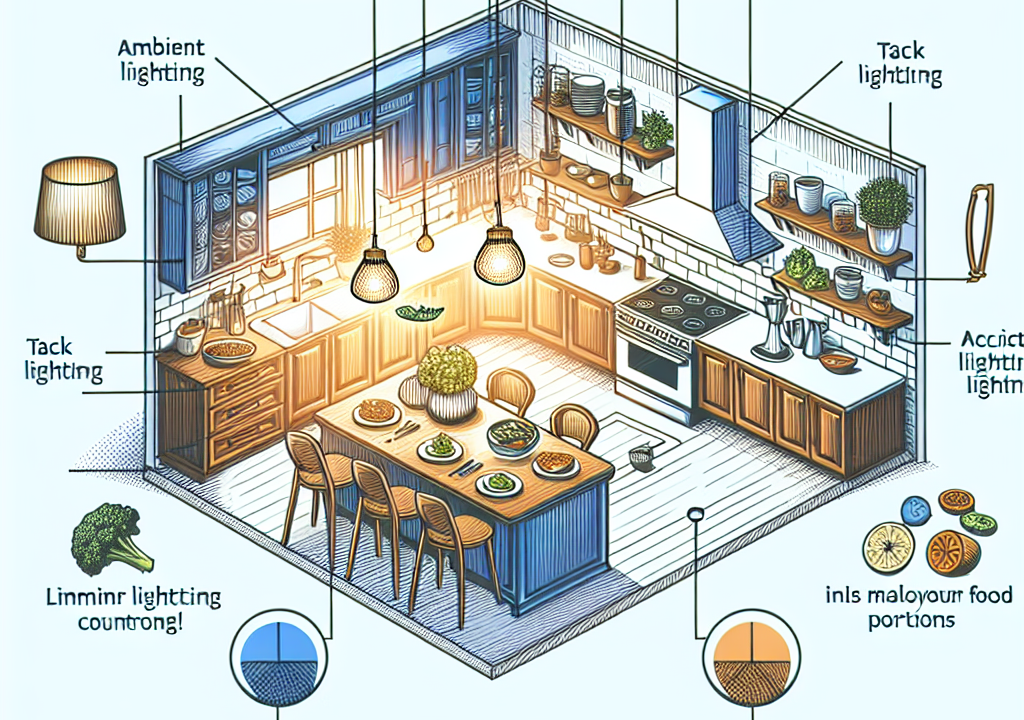
How Lighting in Your Kitchen Impacts Portion Control
Transform your kitchen into a haven of wellness with the right lighting! Discover how strategically placed lighting can subconsciously encourage healthier portion control. Say goodbye to oversized servings and hello to mindful eating. Ready to illuminate your path to better health? Dive into our guide and revolutionize your dining experience today!
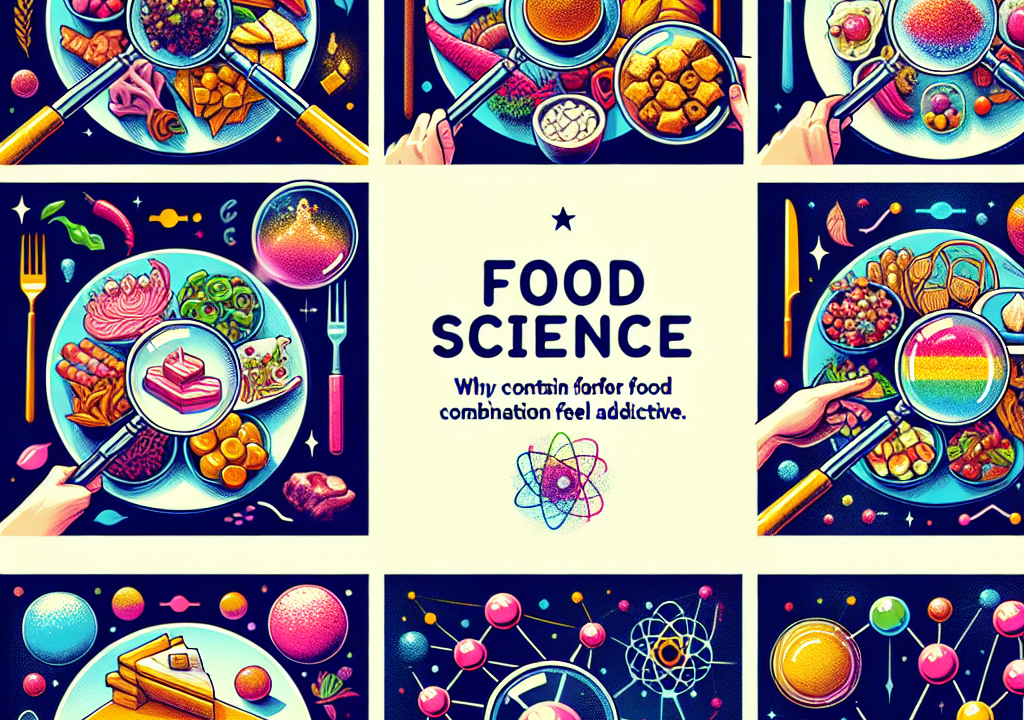
The Science of Food Pairing: Why Certain Combos Feel Addictive
Unlock the culinary secrets behind addictive flavor combinations! Delve into The Science of Food Pairing and discover why certain combos captivate our taste buds. From the savory allure of cheese and wine to the sweet perfection of chocolate and strawberries, learn how to effortlessly elevate your dining experiences with scientifically proven pairings.
