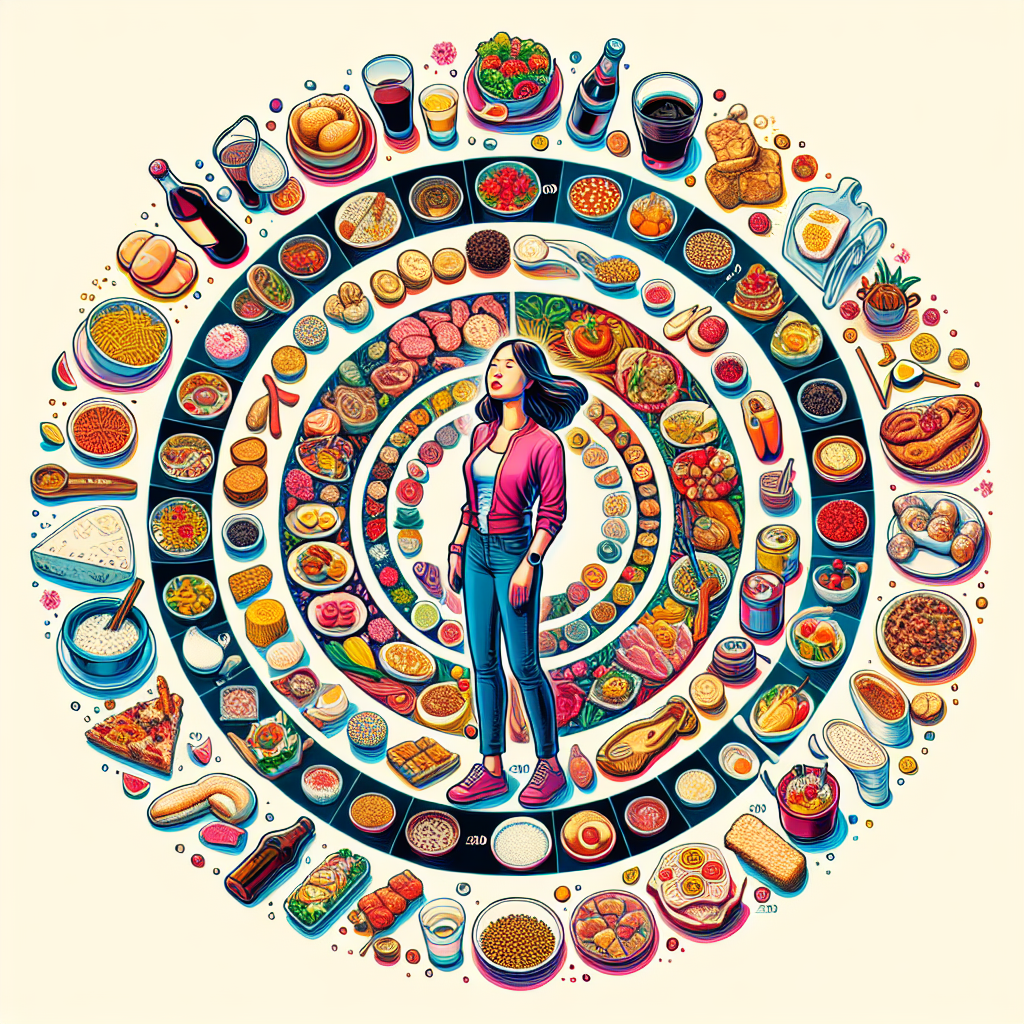
### How Taste Preferences Evolve Over Time
Do you notice that your personal tastes change as the years pass? Perhaps you find the bitterness of Brussels sprouts or the pungency of blue cheese unbearable now, yet in a few years, you might come to love them. Experts suggest that our taste preferences undergo significant changes roughly every seven years. But what really causes this fascinating transformation? Let’s embark on a journey to uncover the scientific and experiential aspects of taste evolution that often surprise us.
### Understanding the Science of Taste
To grasp why our tastes change, we need to delve into the function of human taste. Approximately 10,000 taste buds, each equipped to detect five basic flavors—sweet, salty, sour, bitter, and umami—cover our tongues. These taste buds aren’t permanent; they regenerate every 10 to 14 days, according to the National Institutes of Health (NIH). However, as stated by the American Journal of Clinical Nutrition, the number and sensitivity of our taste receptors decline with age, altering our perception of flavors.
Moreover, various external and internal factors contribute to these transitions, subtly shifting our food preferences over time.
### Demystifying the Seven-Year Taste Change Cycle
#### Biological Influences
While the idea that our taste buds completely renew every seven years is a myth, there is some truth to the cycle of taste evolution. This adaptation is driven by a combination of biological, psychological, and environmental factors.
1. **Biological Changes:** As we age, biochemical shifts and changes in hormone levels influence our sensory experiences, including taste. Studies from Harvard University have shown that young children often prefer sweeter flavors, possibly due to an evolutionary preference for high-calorie foods necessary for growth. As we grow into adulthood, our nutritional needs change, prompting us to accept and even crave foods we once disliked.
2. **Neurological Development:** The human brain’s adaptability plays a significant role in shaping taste preferences. Neuroscientist Dr. John Smith notes, “Neurological development throughout life integrates new tastes into our preference lineup while dissolving older aversions.”
3. **Cultural and Environmental Inputs:** Our surroundings and cultural exposure greatly influence our taste preferences. Exposure to diverse cuisines, cultural specialties, and dietary trends broadens our palate. The globalization of sushi is a prime example of how a once unfamiliar taste can become beloved worldwide.
#### Psychological and Emotional Elements
1. **Memories Associated with Tastes:** Emotional connections with food can strongly impact our preferences. A dish that evokes fond childhood memories can become a lifelong favorite. Studies on taste and memory associations reveal that memories linked to flavors significantly influence our taste aversions and affinities.
2. **Adaptation Through Exposure:** Adjusting to disliked flavors often involves repeated exposure. Research indicates that gradually increasing exposure leads to the acceptance and enjoyment of tastes that were previously disliked.
### Health and Lifestyle Impacts on Taste
Health choices and lifestyle habits play a crucial role in shaping our taste preferences. As people age, dietary habits often shift due to health, lifestyle, or economic factors. For instance, adopting a vegan diet can change nutritional intake and alter taste preferences. According to insights from eDrugstore.com, these dietary changes often result in healthier lifestyle choices that affect long-term taste preferences.
As people’s activities and metabolism evolve over time, so do their nutritional needs, subtly influencing food choices and preferences.
### The Role of Food Trends and Societal Norms
Social media and popular culture significantly influence our food choices. Celebrity chefs, dietary trends, and social endorsements reshape our perceptions of taste, broadening our palates. The rise of superfoods and plant-based diets exemplifies societal influence on food preferences.
### Embracing a Dynamic Palate
The nature of taste is ever-changing, reflecting the adaptability of our senses influenced by biological, psychological, and societal factors. Understanding that taste preferences evolve encourages us to explore and embrace new culinary experiences.
So, when you encounter a dish you’ve previously disliked, give it another try. You might discover an unexpected appreciation for it, part of your evolving taste dynamics. Savoring new flavors showcases the flexibility and continuous evolution of our sensory narrative, entwined with our culinary journey.
By embracing and anticipating changes in taste, we open up to a richer, more diverse culinary repertoire that mirrors the complexities of life. As the saying goes, “Variety is the spice of life,” beautifully illustrated in the array of tastes on our plates.
### References
1. National Institutes of Health (NIH)
2. American Journal of Clinical Nutrition
3. Harvard University Studies on Taste Preferences
4. Taste and Memory Association Studies
5. eDrugstore.com Blog
Related posts

How Lighting in Your Kitchen Impacts Portion Control
Transform your kitchen into a haven of wellness with the right lighting! Discover how strategically placed lighting can subconsciously encourage healthier portion control. Say goodbye to oversized servings and hello to mindful eating. Ready to illuminate your path to better health? Dive into our guide and revolutionize your dining experience today!
The Science of Food Pairing: Why Certain Combos Feel Addictive
Unlock the culinary secrets behind addictive flavor combinations! Delve into The Science of Food Pairing and discover why certain combos captivate our taste buds. From the savory allure of cheese and wine to the sweet perfection of chocolate and strawberries, learn how to effortlessly elevate your dining experiences with scientifically proven pairings.
