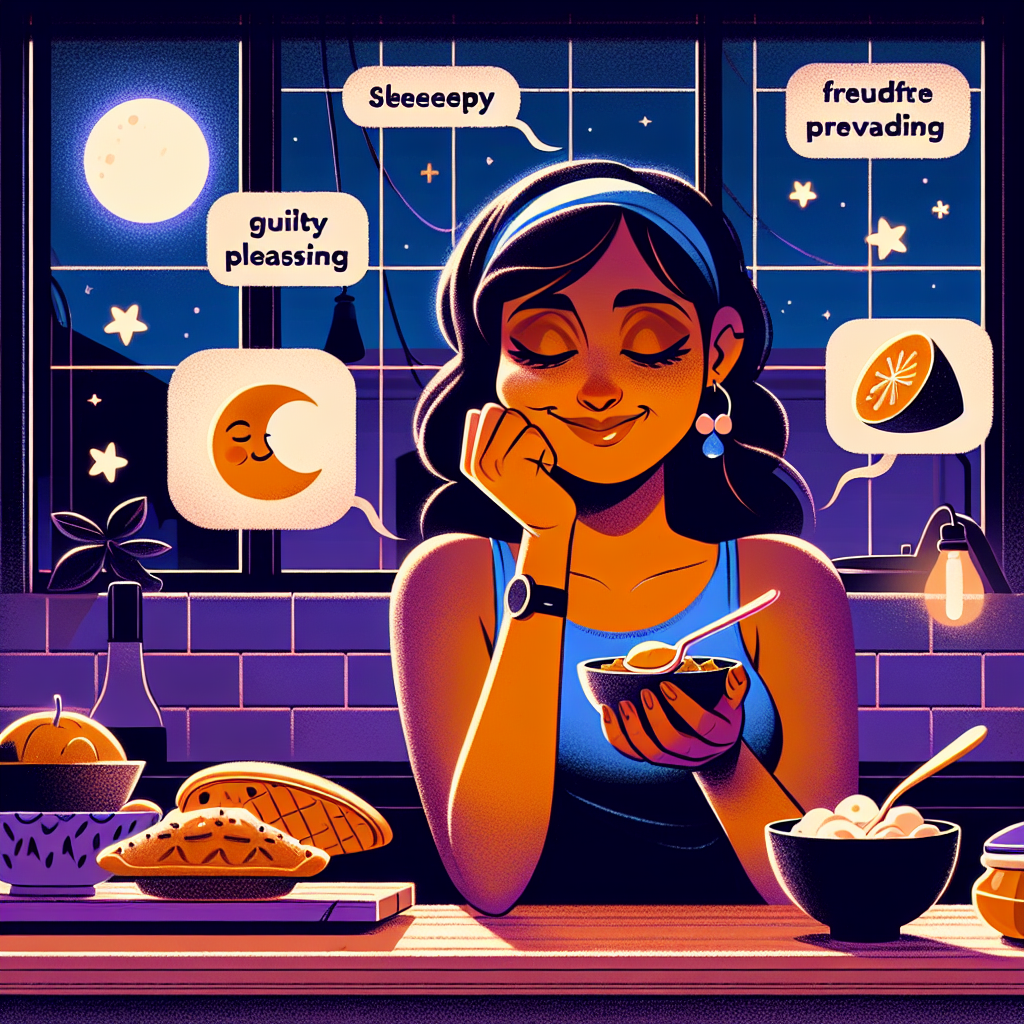
**The Nighttime Snack Dilemma: Uncovering Why Some Foods Feel More Rewarding at Night**
Many of us have experienced the irresistible allure of nighttime snacking, whether it’s giving in to a bowl of ice cream or reaching for a bag of chips. This phenomenon often feels more satisfying at night, raising the question: Why do these foods seem more rewarding at night? Let’s explore the science and psychology behind this intriguing occurrence.
### The Science of Circadian Rhythms and Food Cravings
Our body’s internal clock, known as the circadian rhythm, plays a vital role in managing our energy levels, metabolism, and hormonal balance throughout the day. Dr. Alan Hedge, a professor of Design and Environmental Analysis at Cornell University, highlights, “Our biological clock affects more than just sleep; it influences our cravings and perceptions of taste and reward.” As evening sets in, hormonal fluctuations can heighten our cravings for high-calorie foods. As melatonin rises with nightfall and cortisol decreases, we are more likely to seek comfort in calorie-rich snacks that seem more rewarding. A study in the Journal of Biological Rhythms suggests these hormonal shifts contribute to nighttime cravings.
### Evolutionary Biology’s Role in Nighttime Snacking
From an evolutionary perspective, our ancestors needed to consume enough calories to endure periods of food scarcity. Cravings for high-calorie foods served an evolutionary advantage when food was not readily available, especially in the evenings after hunting and gathering. Today, our bodies still hold onto these ancient instincts. This explains why we might reach for a chocolate bar or indulge in comforting foods at night. Our instincts drive us to consume foods that provide a quick energy boost, particularly at night when our vulnerabilities are heightened.
### Psychological Factors Influencing Nighttime Eating
Psychologically, there is a strong inclination to unwind and decompress at night through eating. Food often becomes an emotional outlet. Dr. Susan Albers, a psychologist specializing in eating issues, notes, “The brain’s reward centers are activated by the pleasure derived from snacks high in sugar and fat,” linking indulgence to relaxation and self-reward. Furthermore, a survey by the American Psychological Association found that 38% of Americans reported nighttime eating due to stress.
### Environmental and Routine Influences on Nighttime Eating Habits
Nighttime eating habits often arise from routine and environment. For instance, if you regularly snack while watching your favorite TV show, your brain begins associating this activity with eating. These ingrained patterns make it difficult to resist the urge to snack. Social influences also play a crucial role. Evenings often involve dinners and social gatherings where the abundance of food makes resisting indulgence more challenging. Reports from the U.S. Department of Health & Human Services highlight how social settings significantly impact our eating behaviors.
### Strategies for Healthier Nighttime Eating
If nighttime cravings are affecting your health or sleep, several strategies can be beneficial:
– **Mindful Eating**: Be aware of hunger cues and savor each bite to distinguish between genuine hunger and habit-driven eating.
– **Structured Meal Times**: Adhere to regular meal and snack times to stabilize hunger.
– **Healthy Substitutions**: Choose healthier alternatives like fruit salad instead of dessert or air-popped popcorn instead of chips.
– **Create a Relaxing Routine**: Engage in non-food-related nighttime activities like reading or meditating.
– **Sleep Hygiene**: Quality sleep reduces hunger hormones, making it easier to resist snacking.
### Conclusion
Understanding why nighttime snacking is so alluring offers valuable insights for managing evening eating habits. By recognizing the biological, psychological, and environmental factors at play, we can make healthier choices. With mindful strategies and conscious effort, it’s possible to enjoy nighttime without yielding to unhealthy cravings.
**References**
1. Albers, Susan. “Emotional Eating: How to Avoid Nighttime Cravings.” Psychology Today.
2. APA. “Stress in America: The State of Our Nation.” American Psychological Association, 2020.
3. Hedrick, V.E., et al. “The Relationship between Circadian Rhythms and Food Cravings.” Journal of Biological Rhythms, 2017.
4. HHS. “Social Influences on Eating: A Report of the Surgeon General.” U.S. Department of Health & Human Services, 2018.
For more wellness insights, visit [edrugstore.com](https://www.edrugstore.com).
Related posts
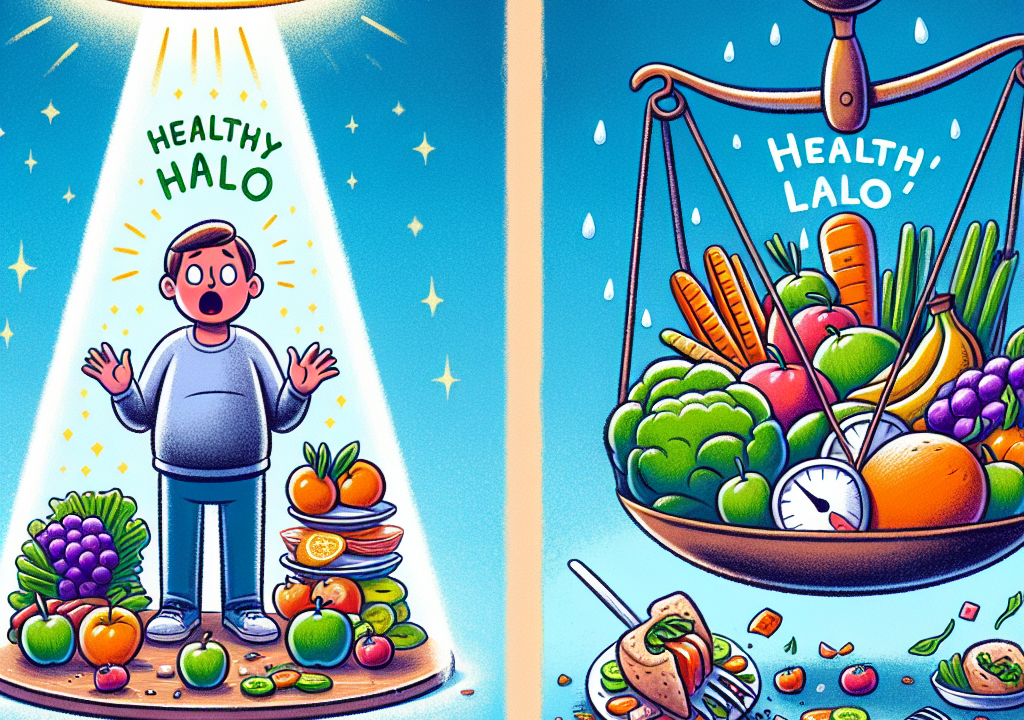
The “Healthy Halo” Effect: How Labels Trick You Into Overeating
Unlock the secret behind the “Healthy Halo” effect that’s making you overeat without realizing it! Discover how cleverly designed labels trick your mind into consuming more than you should. Dive into our blog to learn how to outsmart these marketing strategies and make healthier food choices effortlessly. Start eating smarter today!
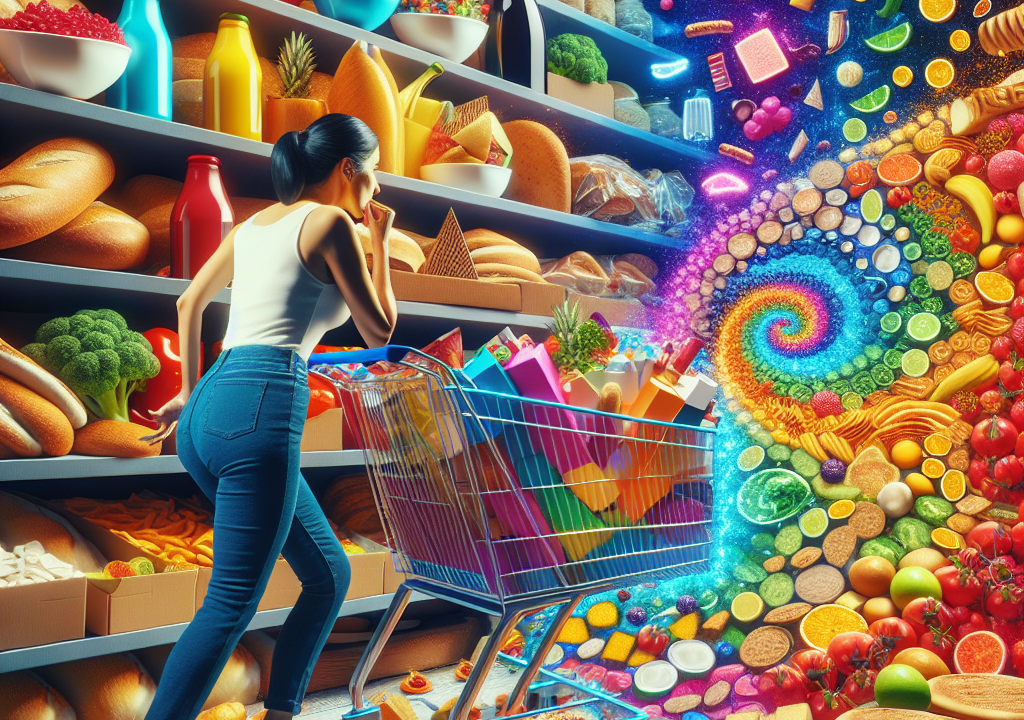
The Grocery Store Trap: Why You Buy More When You Shop Hungry
Ever walked into a grocery store intending to buy just a few items, only to leave with a cart full of snacks and treats? Discover the psychology behind “The Grocery Store Trap” and learn why shopping on an empty stomach could be inflating your expenses. Uncover strategies to shop smarter and save more today!
