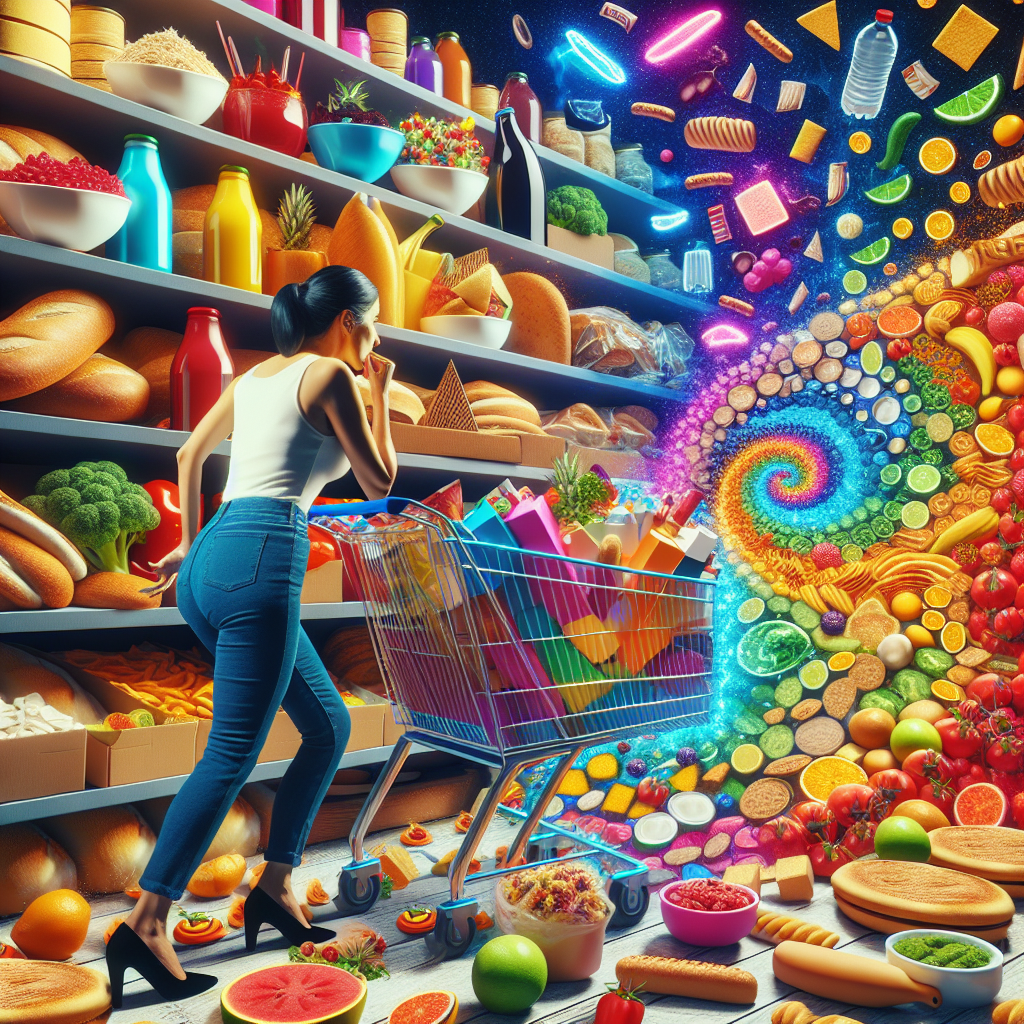
### The Enticement of Grocery Store Design
When you enter a grocery store, you’re stepping into a meticulously crafted shopping environment intended to encourage numerous unplanned purchases. From the moment you walk through those automatic doors, everything—the lighting, the scent of freshly baked bread, the strategic placement of products—is designed to draw you into what can be described as ‘The Grocery Store Trap.’ A particularly surprising aspect of this trap is revealed in a straightforward fact: you tend to buy more when you shop on an empty stomach. This isn’t merely anecdotal; according to a study from Cornell University’s Food and Brand Lab, hungry shoppers end up spending up to 64% more than those who have eaten beforehand.
### The Science Behind Hunger and Shopping
So, what’s the science behind this phenomenon? When you’re hungry, your body’s need for sustenance amplifies your desire to consume. Hormones like ghrelin, commonly referred to as the hunger hormone, influence your brain to prioritize acquiring food. Research published in the journal JAMA Internal Medicine shows that shopping on an empty stomach makes you significantly more susceptible to impulsive buys. You’re not just purchasing what you need; you’re buying what your hunger-driven mind craves at that moment.
Often, this leads you to choose high-calorie, comfort foods. This behavior has evolutionary roots, as your body seeks to quickly restore energy, often exacerbated by the store’s sophisticated marketing strategies. Bright packaging, conveniently located snacks, and inviting aromas further heighten the temptation.
### The Power of Marketing: Navigating Retail Strategies
When considering marketing approaches, the layout of grocery stores is strategic. Necessities such as milk and eggs are typically placed at the back, ensuring that you traverse aisles brimming with intriguing and tempting options. This extends your shopping duration and maximizes your exposure to products that weren’t initially on your list.
For example, many of us have grabbed a candy bar from the checkout lane more often than not. Known as point-of-sale marketing, this strategy is specifically designed to exploit your impulsivity, which is considerably heightened when you’re even a little bit hungry. Dr. Brian Wansink, an expert on consumer behavior, notes that “hunger increases your likelihood of purchasing higher-calorie and less healthy foods, irrespective of your shopping list.”
### Understanding Emotional vs. Physical Hunger
It’s crucial to recognize the distinction between emotional hunger and physical hunger. Emotional hunger is driven by mood and environmental cues, prompting you to seek comfort foods rich in sugar and fat. It’s often linked with stress and habitual behavior. Physical hunger, in contrast, is a biological need for nourishment.
Nevertheless, when emotional hunger couples with physical hunger during your grocery trips, it fosters an environment where prioritizing needs over cravings becomes more challenging. Recognizing this difference is the first step towards making more mindful shopping decisions.
### Strategies to Avoid the Hunger Trap
Arming yourself with strategies to evade the grocery store trap is essential. Here are some proven tips to help you stick to your budget and health goals:
1. **Eat Before You Go:** Consuming even a small snack before you start shopping can lower ghrelin levels and diminish the urgency to buy.
2. **Make a List, and Stick To It:** Preparation can counteract impulsivity. When you craft a shopping list of essentials, you’ll likely spend more thoughtfully.
3. **Set a Budget:** Establishing a spending limit can help you resist unnecessary temptations. Stores often promote the ‘more is better’ mentality through deals and discounts, but sticking to a budget can curb impulsive buys.
4. **Shop Online:** Online grocery shopping offers a more controlled environment, allowing you to sift through options and resist the temptations of in-store layouts.
5. **Be Aware of Emotional Drivers:** Recognizing when you’re shopping due to emotional triggers rather than real needs can cut down on extraneous purchases.
### The Consequences: Budget and Health Implications
The consequences of succumbing to these retail traps can be significant, both financially and health-wise. Overspending on a single shopping trip while hungry may leave you with a reduced budget for future groceries, resulting in inconsistent eating habits.
Beyond finances, there’s an impact on well-being. A shopping cart filled with high-calorie foods for immediate gratification can contribute to long-term health issues like obesity, heart disease, and diabetes. Understanding these traps not only helps you resist them but also leads to more sustainable and healthy lifestyle choices.
### Conclusion: A Mindful Approach to Grocery Shopping
Grocery stores present a battlefield of sorts—designed to win at every turn—but consumers armed with knowledge and strategies can outmaneuver the trap. Awareness of how hunger affects shopping decisions, combined with strategic planning, enables you to make healthier, more economical choices.
While shopping is necessary, it’s crucial to separate nutrition from the puzzle of retail strategy. By doing this, you can sidestep the grocery store trap, safeguard your budget, and maintain your health. Remember, it’s not just about what’s in your cart; it’s about navigating the experience with insight and mindfulness. Make informed purchases, enjoy your food responsibly, and most importantly, don’t shop on an empty stomach.
Related posts
The “Healthy Halo” Effect: How Labels Trick You Into Overeating
Unlock the secret behind the “Healthy Halo” effect that’s making you overeat without realizing it! Discover how cleverly designed labels trick your mind into consuming more than you should. Dive into our blog to learn how to outsmart these marketing strategies and make healthier food choices effortlessly. Start eating smarter today!
Why Certain Foods Feel More “Rewarding” at Night
Craving that midnight snack? You’re not alone. Discover why your brain finds certain foods more rewarding at night, and how this nocturnal indulgence impacts your health. Dive into the science of late-night munchies and learn which guilt-free choices can satisfy your cravings and transform your nighttime routine. Embrace healthier nights!
