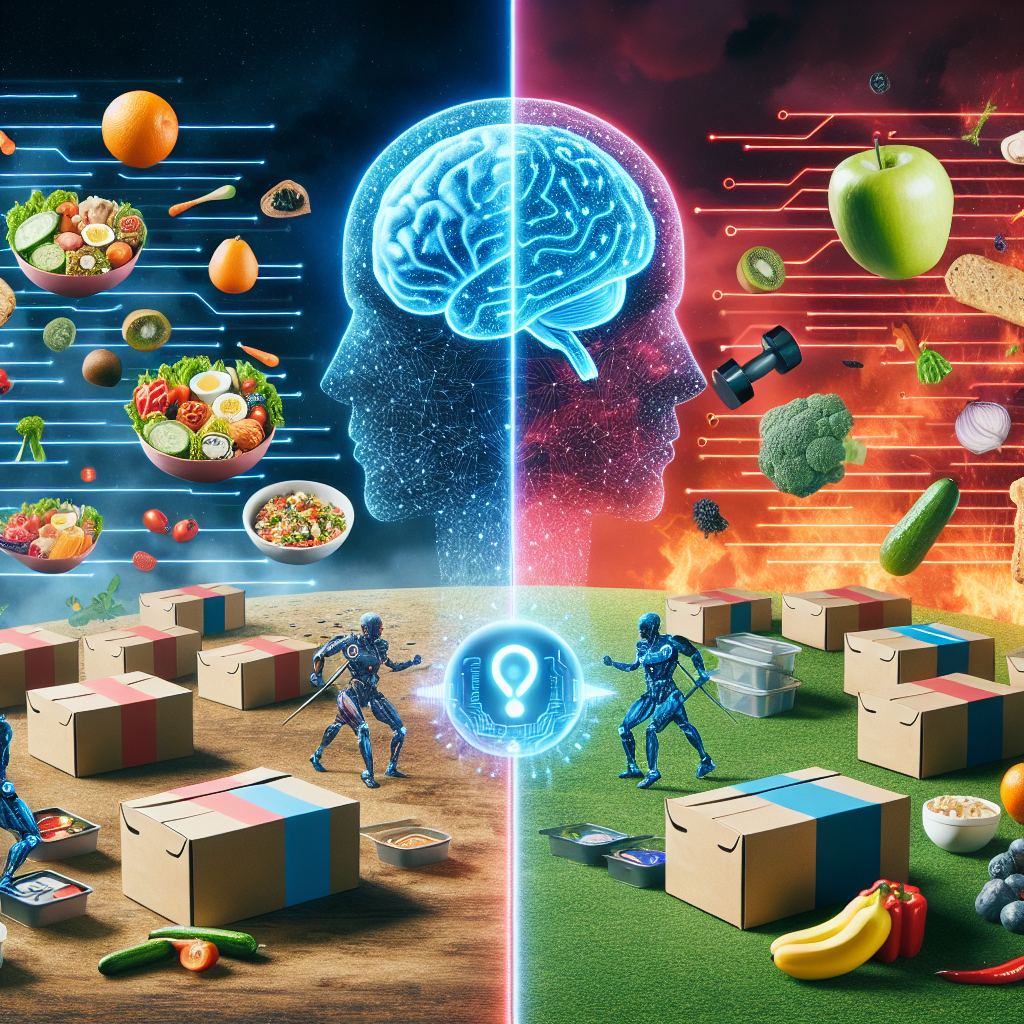
AI Meal Subscription Wars: Who Will Win the Personalized Nutrition Battle?
In today’s fast-paced world of digital innovation, artificial intelligence (AI) is transforming nearly every aspect of our lives—including how we eat. Welcome to the age of AI meal subscription wars, where technology-driven nutrition companies compete to bring personalized meal plans using AI directly to your doorstep.
With more people seeking smarter, healthier solutions, one question stands out: Who will win the race for the future of nutrition? And more importantly, how might that change how we think about food?
The Rise of Personalized Nutrition
The surge in AI-powered nutrition plans is more than just a trend—it reflects a major shift in health and wellness. A study published in the journal Nutrients found that “personalized nutrition interventions were more effective in changing dietary behavior than generic dietary advice.”1
Generic meal plans often fall short because they fail to consider individual differences such as genetics, digestive health, and daily activity levels. With the help of AI, nutrition apps and meal services can now analyze data from DNA tests, fitness trackers, meal logs, and even your mood to create targeted solutions.
“Artificial intelligence enables us to create highly individualized wellness plans that improve adherence and outcomes,” explains Dr. Louis Zhang, a nutrition tech researcher at Stanford Health.
For instance, a person with lactose intolerance and a sedentary lifestyle will get a completely different plan from an athlete managing type 2 diabetes. These AI-driven diets go beyond calorie counting—they help time nutrients, reduce hunger, and support long-term goals.
The Innovators Behind AI Meal Delivery
As demand for intelligent meal delivery services grows, several companies are leading the way. Here’s a look at the key players disrupting the nutrition space:
Daily Harvest AI+
Originally known for its smoothies and frozen meals, Daily Harvest now integrates predictive nutrition algorithms to tailor its offerings. The system syncs with health data from devices like Apple Watch. If your stress levels trigger poor sleep, the app may prioritize anti-inflammatory meals rich in turmeric or leafy greens.
Factor75 (by HelloFresh)
Factor75 sets itself apart with chef-prepared meals and AI-guided nutrition tracking. The app lets users align meals with fitness targets such as daily cardio or keto goals. Internal reports show that customers using AI features report 30% higher satisfaction rates. “Factor’s approach balances convenience with real-time personalization,” says registered dietitian Jenny Kim.
Trifecta Nutrition
Popular among athletes, Trifecta connects with fitness devices like Fitbit and Whoop. Training harder? The system automatically adds more complex carbs to fuel recovery. This responsive planning supports performance by adjusting to actual physical output.
Gainful
Known for custom protein powders, Gainful now offers AI-enhanced meal kits. Using genetic and microbiome testing, it provides complete nutrition programs tailored to your unique biology. The goal is to deliver AI-driven wellness coaching that makes every bite count.
Zoe
With science-backed credibility, Zoe provides microbiome-based meal personalization by analyzing how your body processes carbs, fats, and blood sugar. Its approach has been featured in peer-reviewed studies, including one in Nature Medicine.2 Zoe builds its food plans using both real-time tracking and complex AI that adapts as your system responds.
The Smart Technology That Powers Meal Plans
What sets these platforms apart is the advanced technology behind the scenes. From machine learning and predictive analytics to natural language processing (NLP), AI meal apps are getting smarter with every data point.
Zoe, for instance, uses data from more than 100,000 individuals and real-time logs to adjust your meal plan hour by hour. Daily Harvest applies image recognition to evaluate how often you choose particular food colors, revealing taste preferences that the AI remembers.
Personalized meal bots now help you decide between “high-protein vegan” and “Mediterranean low-carb”—then refine preferences based on your reorders. This evolving system makes the meals not only healthier but more satisfying too.
Winning Over Consumer Loyalty
Having smart AI is one thing—keeping users engaged is another. Over 60% of people cancel meal subscriptions within just three months,3 often due to poor app design or lack of flavor variety.
That’s why companies are focusing on consumer experience with features like:
- Drag-and-drop meal planners for easy customization
- Gamification through point systems for healthy behaviors
- Chatbot or live coach support for accountability
- Community forums for sharing tips and progress
Price is also a factor. While personalized nutrition tends to cost more, many platforms now provide flexibility through pricing tiers or AI-generated grocery lists that let you shop and prep meals yourself.
“Making personalized food accessible means more than tech—it’s about building experiences people love and trust,” says Mia Tran, VP of product strategy in digital health. Privacy and data protection are also critical. Apps handling DNA and glucose data must meet global standards like GDPR. (Learn more about secure data sharing at edrugstore.com.)
Who Is Leading the Personalized Nutrition Revolution?
In this tight competition, a few patterns help us predict who might come out on top:
- Research Depth: Zoe and Gainful stand out with medical-grade processes and biomarker-driven recommendations.
- User Simplicity: Factor75’s easy onboarding, app interface, and quick-tracking options appeal to busy customers.
- Proven Outcomes: Companies showing results—improved energy, reduced blood sugar levels, better sleep—win consumer trust faster.
Ultimately, the company that combines AI innovation with human-centered design will lead the pack. If your personalized foods feel empowering—and delicious—then AI-customized food plans may soon become the norm.
The Smart, Personalized Future of Food
This growing sector is only getting bigger. Precedence Research projects the global personalized nutrition market will reach $38.8 billion by 2030.4
In the near future, you can expect impressive features such as:
- Real-time nutrition changes based on hormone fluctuations
- Meals tailored by sleep patterns
- Food suggestions linked to mood improvement and stress levels
Imagine a smart fridge that restocks with exactly what your body needs—before you even realize it. Until then, emerging platforms like Zoe, Gainful, and Factor75 are shaping the next generation of health-focused eating.
One thing is certain: in this battle for better nutrition, the real winners are the consumers. Expect more energy, better meals, and a way of eating that truly fits you.
Ready for smarter eating? The future is already at your table.
References
- Celis-Morales, C., et al. (2017). Effect of personalized nutrition on health-related behavior change: evidence from the Food4Me European randomized controlled trial. Nutrition, 33, 77–82. https://doi.org/10.1016/j.nut.2016.05.007
- Berry, S. E., et al. (2020). Human postprandial responses to food and potential for precision nutrition. Nature Medicine, 26(6), 964–973. https://doi.org/10.1038/s41591-020-0934-0
- C+R Research (2022). Subscription Fatigue Study: Why Consumers Are Canceling More Paid Apps and Services. https://www.crresearch.com/blog/subscription-fatigue
- Precedence Research. (2022). Personalized Nutrition Market Size and Forecast. https://www.precedenceresearch.com/personalized-nutrition-market
Related posts
How Strategic Cheat Meals Can Jumpstart Progress When Weight Loss Plateaus Threaten Your Motivation
Unlock the secret to overcoming weight loss plateaus with strategic cheat meals! Discover how indulging mindfully can reignite your motivation and boost your progress. Learn to transform those guilty pleasures into powerful tools that keep you on track and excited about your journey. Embrace balance, satisfaction, and success like never before!
Unlocking the Weekend Eating Paradox: Why Cheat Meals Can Boost Fat Loss Without Derailing Your Diet
Struggling to stick to your diet over the weekend? Discover the secret to enjoying guilt-free cheat meals while accelerating fat loss! “Unlocking the Weekend Eating Paradox” reveals how strategic indulgences can revitalize your metabolism and amplify results without derailing your progress. Ready to transform your weekends into a powerful weight-loss ally? Dive in now!
