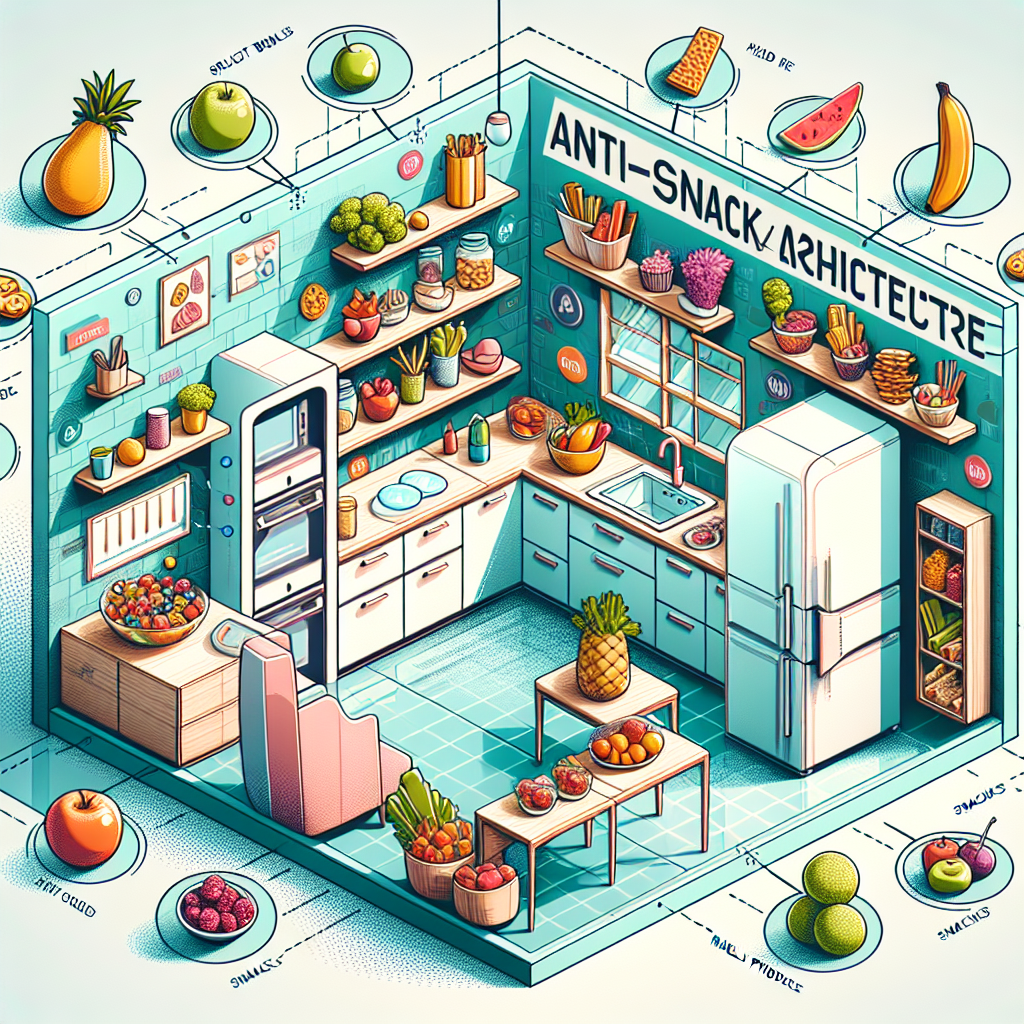
Title: Anti-Snack Architecture: How Kitchen Layout Changes Eating Behavior
In today’s fast-paced world, mindless snacking is more than just a bad habit — it’s a significant contributor to excessive calorie intake, poor nutrition, and unintentional weight gain. According to the CDC, more than 40% of U.S. adults are classified as obese, and our everyday environments play a bigger role than most realize. While diets and self-control get most of the attention, there’s a powerful yet subtle influence that often goes unnoticed — the design of your kitchen.
Welcome to the concept of Anti-Snack Architecture — a research-backed approach rooted in environmental psychology and design that helps reduce mindless eating at home. With just a few simple changes to your kitchen layout, you can support healthier choices and reduce reliance on willpower alone.
Discover how to reconfigure your kitchen space to guide yourself toward smarter eating decisions — beginning with where snacking truly starts.
What is Anti-Snack Architecture?
Anti-Snack Architecture is the strategic arrangement of your kitchen to discourage impulse snacking and promote more mindful eating. Instead of depending on constant self-discipline, it uses subtle environmental cues to steer behavior – often without you realizing it.
Drawing on insights from behavioral economics, much like how grocery stores influence consumer choices through lighting and shelving, your home setup can be adjusted to guide your daily food decisions. Dr. Brian Wansink, former director of the Cornell Food and Brand Lab, emphasized this idea by stating, “We can change eating behavior by changing our environment, oftentimes without even realizing it.”
Just like choosing nutritious ingredients or using prescription aids to curb cravings, adjusting your kitchen design is another valuable tool to promote healthy routines.
The Visibility Principle: Out of Sight, Out of Mind
A key element of Anti-Snack Architecture is the visibility principle — the idea that what you see most often influences what you eat. Research shows that people consume 71% more of a food item when it’s clearly visible and within immediate reach.
When your countertops feature jars of candy, chips, or pastries, your brain is placed under constant temptation, increasing the chance you’ll snack out of habit, not hunger.
Solution: Hide indulgent foods in opaque containers and place them in less accessible spots like upper shelves or behind pantry staples. In contrast, make healthy options more visible and convenient — try clear jars of almonds or a fruit bowl with colorful produce on the counter.
Example: A bowl of fresh grapes near the sink makes a refreshing, guilt-free snack an easy choice, while hiding cookies on a top shelf adds enough inconvenience to decrease impulsive browsing.
Redesign Your Traffic Flow
Most modern kitchens are centered around cooking efficiency, but very few are configured to promote intentional eating habits. In reality, the layout may be working against your health goals.
For instance, putting snack drawers along your regular walking route to the refrigerator or sink exposes you to tempting options repeatedly throughout the day. This repeated exposure often leads to mindless consumption.
Solution: Move snack foods out of frequently trafficked areas. Designate a specific area for treats that’s not in your daily pathway — perhaps in a tall cabinet or behind additional steps, like using a step stool. Introducing these small inconveniences can interrupt the impulse and prompt you to reflect before grabbing a snack.
Example: If you need to climb up and open several compartments to reach chips, there’s a better chance you’ll reach for a healthier option or skip the snack altogether.
Smaller Plates Lead to Smarter Portions
Believe it or not, the size of your plates and bowls significantly impacts how much food you serve — and eat. This stems from the Delboeuf illusion, where people perceive food portions to be smaller when placed on a larger dish, often leading them to serve more.
One study from Cornell University found that when using a 12-inch plate, people served 31% more food than when using a 9-inch version.
Solution: Replace large dishes with smaller ones to help control portions naturally. Use petite plates, bowls, and glasses even for snacks like trail mix or popcorn to avoid overindulging straight from the bag.
Example: Serving your dessert on a small plate helps you feel satisfied with less and prevents the habit of repeatedly dipping into a large container.
Designate a Mindful Eating Zone
A growing body of research shows that distracted eating — often done while watching TV or scrolling through a phone — significantly increases calorie intake. In fact, distracted eaters consume up to 25% more calories during a single meal.
Solution: Create a quiet, screen-free area designated solely for eating. This zone could be a specific place at your dining table or a cozy nook in the kitchen. Enhance the space with calming elements like natural light, a small plant, or gentle artwork, helping your brain focus solely on the eating experience.
Expert Tip: “Practicing mindful eating can help people reconnect with hunger and satiety signals – reducing the likelihood of overeating,” explains Dr. Michelle May, author of Eat What You Love, Love What You Eat.
Helpful Hint: Keep a notebook or journal in your mindful eating area to jot down reflections, thoughts, or observations rather than scrolling through your phone.
Reorganize Your Refrigerator for Success
Your refrigerator layout heavily influences what you reach for first — especially during moments of stress or low energy. Research shows that people choose foods stored at eye level 46% more often than those tucked away elsewhere.
Solution: Reorganize your fridge so that healthy foods like prepped vegetables, hummus, grilled chicken, or yogurt are placed front and center. Hide less nutritious choices like sodas, desserts, or fried leftovers in drawers or the back of shelves.
Example: Placing sparkling water with lemon slices in a visible location can make it a go-to choice over sugary drinks.
Pro Tip: Label sections in your fridge based on meal types (e.g., lunch preps, snack zone, morning items) to make healthier selections easier and faster.
The Role of Friction in Reducing Impulse
The psychological concept of friction refers to tiny barriers that make actions slightly more difficult — and it can be an excellent strategy when curbing snacking habits.
Solution: Add small inconveniences between yourself and easy-to-grab indulgences. For example, keep scissors needed to open bags in another drawer, or choose snacks that require some prep, like peeling or slicing. Buying single-serve items instead of bulk packages also reduces the urge to keep reaching for more.
Expert Insight: “Behavioral friction doesn’t have to be dramatic — even the smallest hurdle can be enough to stop the habit loop,” says Dr. Wendy Wood, habit researcher and author of Good Habits, Bad Habits.
Example: When cookies are stored inside multiple stacked containers in a difficult-to-reach cabinet, you’re more likely to pause — and maybe skip them altogether.
Create a Kitchen That Works in Your Favor
Anti-Snack Architecture is not about punishing yourself. It’s about designing a space that silently supports your health goals — day in and day out. By making your kitchen environment more intentional, you reduce your reliance on raw willpower and start following habits that stick.
Much like therapy, coaching, or medication helps you stay on track, having a thoughtfully designed kitchen tips the scale in favor of healthier choices behind the scenes.
Start small. Choose just one zone — your snack drawer, refrigerator, or pantry — and begin to rework its layout. Each thoughtful shift makes your kitchen a more supportive environment and makes sustainable eating habits easier to maintain.
Conclusion: Set Your Space Up for Success
By incorporating these principles of Anti-Snack Architecture, you’re not just rearranging your kitchen — you’re reshaping your relationship with food. Your space becomes a proactive ally, encouraging smart decisions and minimizing unnecessary temptations.
Because sometimes, making the right choice just means making the wrong one a little harder to reach.
Take the First Step: Try a Small Change Today
Whether it’s reorganizing your fridge or replacing your snack bowl, implement one change today that promotes mindful, planned eating. Your future self will thank you.
For additional tools to support your wellness journey, visit this guide on appetite-curbing treatment options at edrugstore.com.
References
– Wansink, B. (2014). Slim by Design: Mindless Eating Solutions for Everyday Life. William Morrow
– Wansink, B., & van Ittersum, K. (2007). Portion Size Me: Plate Size Can Affect How Much Food People Serve and Consume. Journal of Consumer Research, 33(1), 124-130
– Wansink, B. (2012). Convenient, Attractive, and Normative: The CAN Approach to Improving Meal Selection. Public Health Nutrition, 16(7), 1–5
– American Journal of Clinical Nutrition. (2009). Eating attentively: a systematic review and meta-analysis of the effect of food intake memory and awareness on eating
– Centers for Disease Control and Prevention (CDC). (2022). Adult Obesity Facts
– Wood, W. (2019). Good Habits, Bad Habits: The Science of Making Positive Changes That Stick. Farrar, Straus and Giroux
– May, M. (2010). Eat What You Love, Love What You Eat. Greenleaf Book Group
Related posts
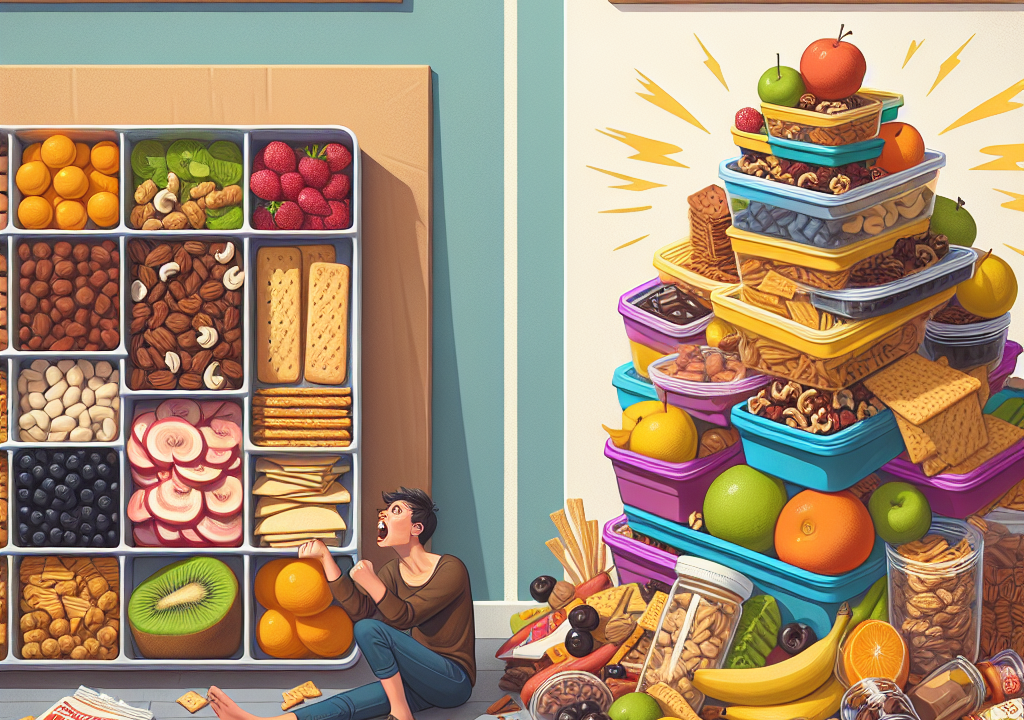
Why Pre-Portioned Snacks Work Better Than Willpower
Unlock the secret to effortless portion control with pre-portioned snacks! Ditch the struggle of relying solely on willpower. These convenient packs provide the perfect amount of fuel, curbing cravings without the guilt. Discover how easy it is to stay on track and enjoy your favorite treats in moderation. Start snacking smarter today!
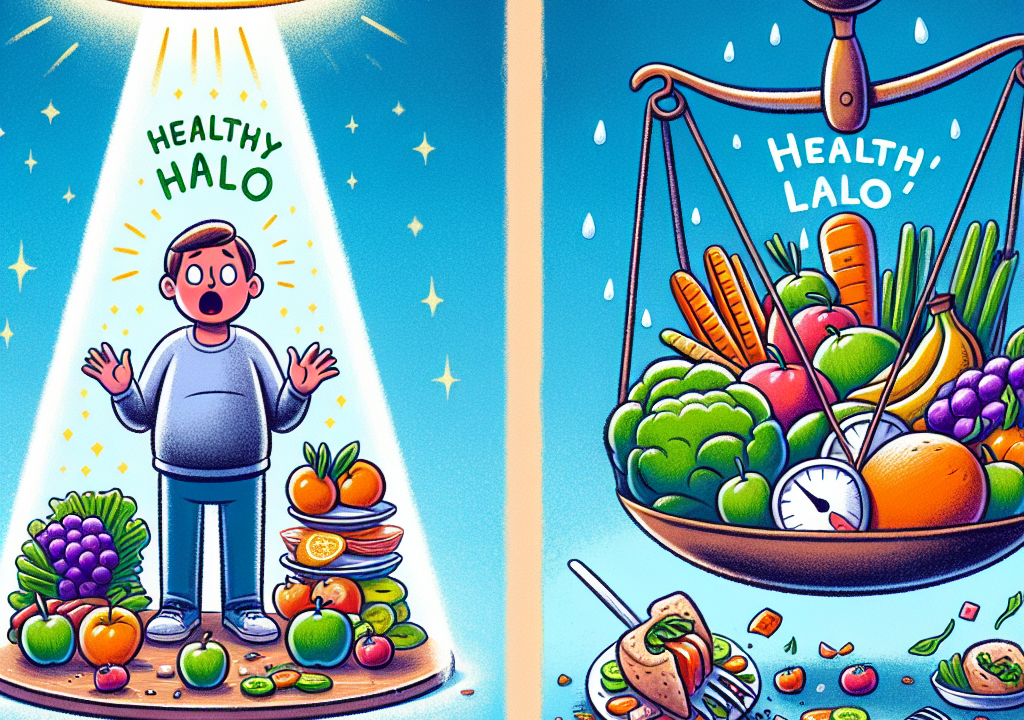
The “Healthy Halo” Effect: How Labels Trick You Into Overeating
Unlock the secret behind the “Healthy Halo” effect that’s making you overeat without realizing it! Discover how cleverly designed labels trick your mind into consuming more than you should. Dive into our blog to learn how to outsmart these marketing strategies and make healthier food choices effortlessly. Start eating smarter today!
