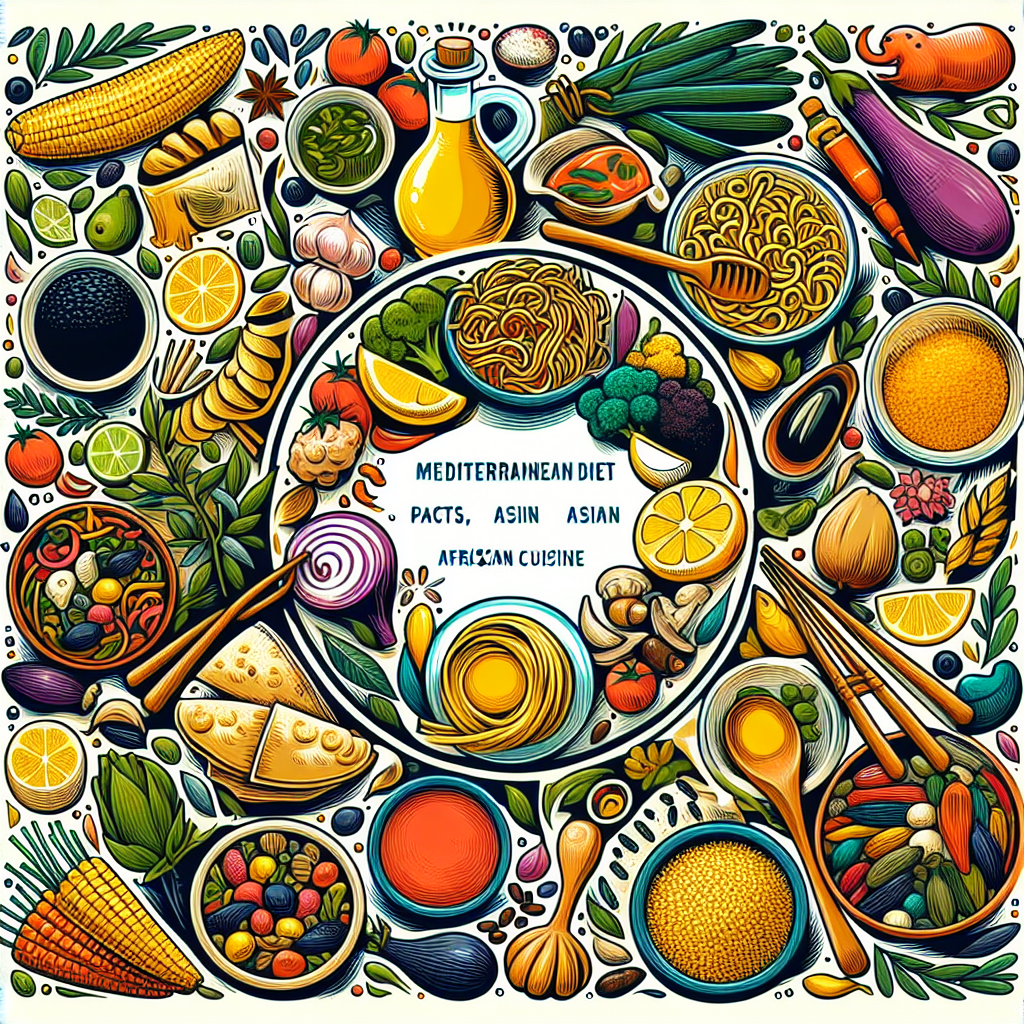
Cultural Twists: How to Adapt the Mediterranean Diet for Latin, Asian, and African Kitchens
The Mediterranean diet for heart health and longevity has received global recognition for reducing the risk of chronic diseases such as diabetes, cancer, and dementia. A 2021 study published in the British Journal of Nutrition found that people following a Mediterranean-style eating pattern had a 25 percent lower risk of cardiovascular disease.
This diet revolves around whole, plant-based foods, healthy fats like olive oil, lean proteins, and using herbs and spices for flavoring instead of salt. But what if your daily meals rely more on chiles and tamarind than chickpeas and tomatoes?
The Mediterranean diet isn’t a rigid set of rules—it’s a flexible, principle-based framework. By using regional ingredients and cooking methods, you can enjoy the benefits of a Mediterranean-inspired diet without losing the culinary identity of your culture.
Understanding the Heart of the Mediterranean Diet
Before integrating global culinary twists, it’s essential to understand the foundation of the traditional Mediterranean diet:
– Fresh fruits and vegetables
– Whole grains such as farro, oats, quinoa, and bulgur
– Plant-based proteins including legumes like beans, peas, and lentils
– Moderate consumption of seafood and lean meats
– Healthy fats from olive oil, avocados, and nuts
– Modest amounts of dairy like yogurt and feta cheese
– Herbs and spices used instead of salt
Dr. Rachel Johnson, professor of nutrition at the University of Vermont, explains, “The strength of the Mediterranean diet lies in its simplicity and emphasis on natural, unprocessed foods.”
A 2022 report from Harvard Health showed the Mediterranean diet is linked to a 30 percent lower risk of stroke and supports long-term cognitive health.
Importantly, replicating specific recipes is not necessary. The goal is to achieve a balanced diet using culturally familiar foods that align with the same nutritional values.
Latin American Fusion: Mediterranean with Indigenous Superfoods
Latin American cuisine features an abundance of native superfoods—from avocado to amaranth—that naturally complement the Mediterranean approach to eating.
– Use avocado oil in place of olive oil. It offers similar heart health benefits through monounsaturated fats and is native to Latin America. Drizzle it over roasted vegetables or use it in sautéed dishes.
– Transform traditional refried black beans by replacing lard with olive or avocado oil. Enhance the flavor with garlic and cumin for a nutrient-dense, plant-based protein.
– Incorporate tropical fruits like papaya and mango into smoothies with leafy greens like spinach for an immune and digestive system boost.
– Explore ancient grains such as quinoa and amaranth, which are packed with fiber and are naturally gluten-free. For example, try a “Quinoa Tabbouleh with Cilantro and Jalapeño” instead of a traditional bulgur version.
– Prepare lean fish like snapper or tilapia using regional sauces like mojo or chimichurri, and grill instead of deep-frying.
Example: Rather than serving fried meat with white rice, create a Latin grain bowl featuring quinoa, grilled chicken, avocado, black beans, and mango salsa.
Asian Fusion: Merging Eastern Flavors with Mediterranean Principles
Many Asian cuisines naturally align with the Mediterranean diet thanks to their emphasis on seafood, vegetables, and minimally processed ingredients.
– Use sesame or peanut oil sparingly. Although not identical to olive oil, they are rich in polyunsaturated fats and add depth of flavor to stir-fries and sautés.
– Prioritize vegetables as a centerpiece of meals. Replace white rice with fiber-rich alternatives like brown or wild rice in fried rice or bibimbap. Add plant-based proteins like tofu, tempeh, or edamame.
– Incorporate fermented foods like kimchi and miso. These ingredients supply probiotics that support gut health and reduce inflammation. A 2023 study in Frontiers in Microbiology found strong links between probiotic intake and lowered inflammatory markers.
– Replace sugary drinks with traditional teas such as jasmine or green tea. The Mayo Clinic notes that green tea can help regulate blood pressure and improve heart health.
– Season dishes with natural flavor enhancers like ginger, lemongrass, turmeric, and garlic instead of relying on soy sauce or table salt.
Example: Try a stir-fry with soba noodles, edamame, shiitake mushrooms, broccoli, and a light drizzle of sesame oil and lime juice for a rich, flavorful, plant-forward meal.
African Adaptation: Staying Rooted While Eating Smarter
African cuisines share many Mediterranean principles, including the use of grains, legumes, leafy greens, and spice-forward stews.
– Embrace native grains like teff, millet, fonio, and sorghum. These gluten-free grains are fiber-rich and perfect substitutes for more familiar grains like couscous. Fonio grain bowls or teff-based injera with spiced lentils are excellent options.
– Make the most of leafy greens such as collards, cassava leaves, and moringa. These greens rival Mediterranean staples like kale and spinach in nutrient content and are loaded with iron and antioxidants.
– Maintain traditional stews, but reduce the meat portion and increase fiber-rich vegetables or lentils. For example, enhance doro wat with more spinach and lentils, keeping the dish hearty and satisfying.
– Use olive oil in moderation alongside traditional oils like red palm. While red palm oil is higher in saturated fat, it also contains potent antioxidants such as vitamin E.
– Use vibrant spice blends like berbere from Ethiopia or harissa from North Africa to intensify flavor without depending on sodium or sugar.
Example: Prepare a chickpea and spinach peanut stew seasoned with cumin, garlic, and fresh tomatoes. Serve it over millet for added fiber and slow-release energy.
Conclusion: Celebrate Cultural Heritage While Prioritizing Health
Healthy eating doesn’t require forsaking your roots. The Mediterranean diet endures as a gold standard not because it’s restrictive, but because it’s adaptable. At its core, it emphasizes fresh, whole ingredients over processed foods, and quality fats over unhealthy ones.
Whether you’re enjoying bok choy with jasmine tea, savoring lentil arepas, or making teff porridge topped with berries and almonds, you’re participating in a worldwide cultural movement toward conscious, joyful eating.
As registered dietitian Maya Feller states, “Food should be culturally inclusive and sustainable—this is key to long-term wellness.”
Get Started: Mediterranean-Inspired Makeover for Your Meals
You can begin today. Choose a family favorite and modify it using the principles shared above. Not sure where to start? Explore resources like eDrugstore.com for tips on managing heart health and incorporating smart habits into your daily lifestyle.
Join the conversation online and share your creations using the hashtag MediterraneanTwist to connect with a global, wellness-focused community that celebrates diversity through food.
Sources:
1. Trichopoulou A, et al. “Adherence to a Mediterranean Diet and Survival in a Greek Population.” New England Journal of Medicine, 2003.
2. “Mediterranean Diet: A Heart-Healthy Eating Plan.” Mayo Clinic. https://www.mayoclinic.org
3. Harvard T.H. Chan School of Public Health. “Mediterranean Diet.” https://www.hsph.harvard.edu
4. “The Role of Probiotics in Human Health.” Frontiers in Microbiology, 2023.
5. Interview with Dr. Rachel Johnson, University of Vermont Department of Nutrition, 2022.
6. eDrugstore.com. Heart Health & Lifestyle Resource. https://www.edrugstore.com/blog/health/heart-health/
Let us know if you’d like this content formatted as a downloadable PDF guide or transformed into an email series for easy reference and distribution.
Related posts

Unlocking the Weekend Eating Paradox: Why Cheat Meals Can Boost Fat Loss Without Derailing Your Diet
Struggling to stick to your diet over the weekend? Discover the secret to enjoying guilt-free cheat meals while accelerating fat loss! “Unlocking the Weekend Eating Paradox” reveals how strategic indulgences can revitalize your metabolism and amplify results without derailing your progress. Ready to transform your weekends into a powerful weight-loss ally? Dive in now!

Navigating Weekend Overindulgence: How Cheat Meals Impact Progress and Strategies for Sustainable Balance
Struggling with weekend overindulgence? Dive into our latest post, “Navigating Weekend Overindulgence: How Cheat Meals Impact Progress and Strategies for Sustainable Balance.” Discover how cheat meals can be a double-edged sword and learn expert strategies to enjoy indulgences guilt-free, while maintaining your health goals. Unlock the secrets to a balanced lifestyle today!
