Certainly! Here is the cleaned, restructured, and enhanced article in a web-friendly, ready-to-publish format with enticing
subheadings, improved grammar, and overall readability. All special characters and emojis have been removed unless needed for context.
—
Rediscovering Balance: The Digital Dopamine Detox Diet
In our hyper-connected world, our brains are constantly stimulated. From endless social media notifications and instant entertainment to on-demand food delivery and compulsive scrolling, our pleasure systems are on overdrive. While these digital conveniences offer quick satisfaction, they can disrupt our brain’s natural reward mechanisms.
This overstimulation leads to imbalanced dopamine levels, distorted appetite regulation, low focus, and a reduced capacity for joy in everyday experiences. The solution? The Digital Dopamine Detox Diet—a practical and sustainable way to reset your brain chemistry, regain healthy appetite control, and reclaim your sense of well-being.
What Is Dopamine and Why Does It Matter?
Think of dopamine as your brain’s motivation molecule. It drives you to seek rewards, whether it’s food, achievement, or social validation. As Dr. Anna Lembke, author of Dopamine Nation, states, “We’re all vulnerable to compulsive overconsumption in today’s dopamine-rich environment.”
Modern life bombards us with dopamine triggers—from viral videos to processed snacks—and this repeated stimulation desensitizes our dopamine receptors. Over time, it takes more and more to feel enjoyment.
Research from Volkow et al. (2011) shows that chronic exposure to high-stimulation environments reduces dopamine receptor sensitivity, making it increasingly difficult to experience satisfaction from normal, everyday activities.
This imbalance can dull your appetite signals, lead to mindless snacking, and foster emotional eating. Over time, life may begin to feel empty unless accompanied by digital devices or indulgent foods.
Understanding this dysregulation is the first step toward restoring balance.
What Is the Digital Dopamine Detox Diet?
The Digital Dopamine Detox Diet is a scientifically grounded approach that reduces overstimulation to rehabilitate the brain’s natural reward system. It’s not about giving up technology entirely; it’s about using it more mindfully while strengthening your brain’s ability to enjoy simple, healthy pleasures.
This detox replaces instant-gratification habits with slow, sustainable routines that re-anchor focus and satisfaction. You’ll begin to feel fuller mentally and physically—without relying on excessive dopamine spikes.
According to research published by Robertson et al. (2018), periods of reduced external stimulation improve dopamine receptor responsiveness and cognitive functions like decision-making and attention.
Common detox swaps include:
– Journaling instead of doomscrolling
– Eating whole foods like roasted vegetables instead of snacks
– Taking nature walks instead of binge-watching TV
The Interplay Between Food and Screen Time
Screen use and food choices are more closely connected than many realize—both trigger dopamine release. Highly processed foods overloaded with sugar, salt, and fat stimulate the brain in a manner similar to addictive substances (Gearhardt et al., 2011). When paired with smartphone use or binge-watching, this double exposure creates a feedback loop of overstimulation.
For example, imagine eating a pizza while checking Instagram and streaming a show. You likely finish the meal barely noticing the flavors. Your brain records the combined experience as more pleasurable than the food alone, reinforcing multitasking and emotional eating behaviors.
Eliminating or reducing this compounded stimulation renews your connection to real hunger, fulfillment, and enjoyment.
Key Components of the Digital Dopamine Detox Diet
To implement the detox sustainably, focus on six core areas. Taken together, they support a structured, balanced approach.
1. Digital Fasting: Taking Tech Breaks
Designate intentional screen-free periods to allow your nervous system to recharge. Start here:
– Eat at least one tech-free meal a day
– Keep screens off for one hour before bedtime
– Dedicate one full day a week to being screen-free
Example: Spend your Sunday walking in nature or reading a physical book. The experience of stillness often speaks louder than digital noise.
2. Nutritional Reset: Nourish to Rebalance
Eliminate ultra-processed foods that hijack your hunger cues. Focus on brain-supportive, whole-food choices like:
– Fiber-rich vegetables (broccoli, carrots, spinach)
– Omega-3-rich seafood (salmon, sardines)
– Antioxidant-packed fruits (blueberries, cherries)
– Plant-based proteins (quinoa, lentils, chickpeas)
Try a hearty quinoa bowl with roasted sweet potatoes and tahini for a satisfying, stable-energy meal—no sugar spikes involved.
3. Mindful Eating: Be Fully Present with Meals
Break the habit of distracted eating. Turn off devices. Sit at a table. Chew slowly. Appreciate the textures and flavors.
A 2020 review in Harvard Health emphasizes that consistent mindful eating reduces binge episodes and improves weight regulation. These subtle changes help you reconnect with true hunger cues and satisfaction.
4. Simplify Stimulation: Embrace Low-Dopamine Activities
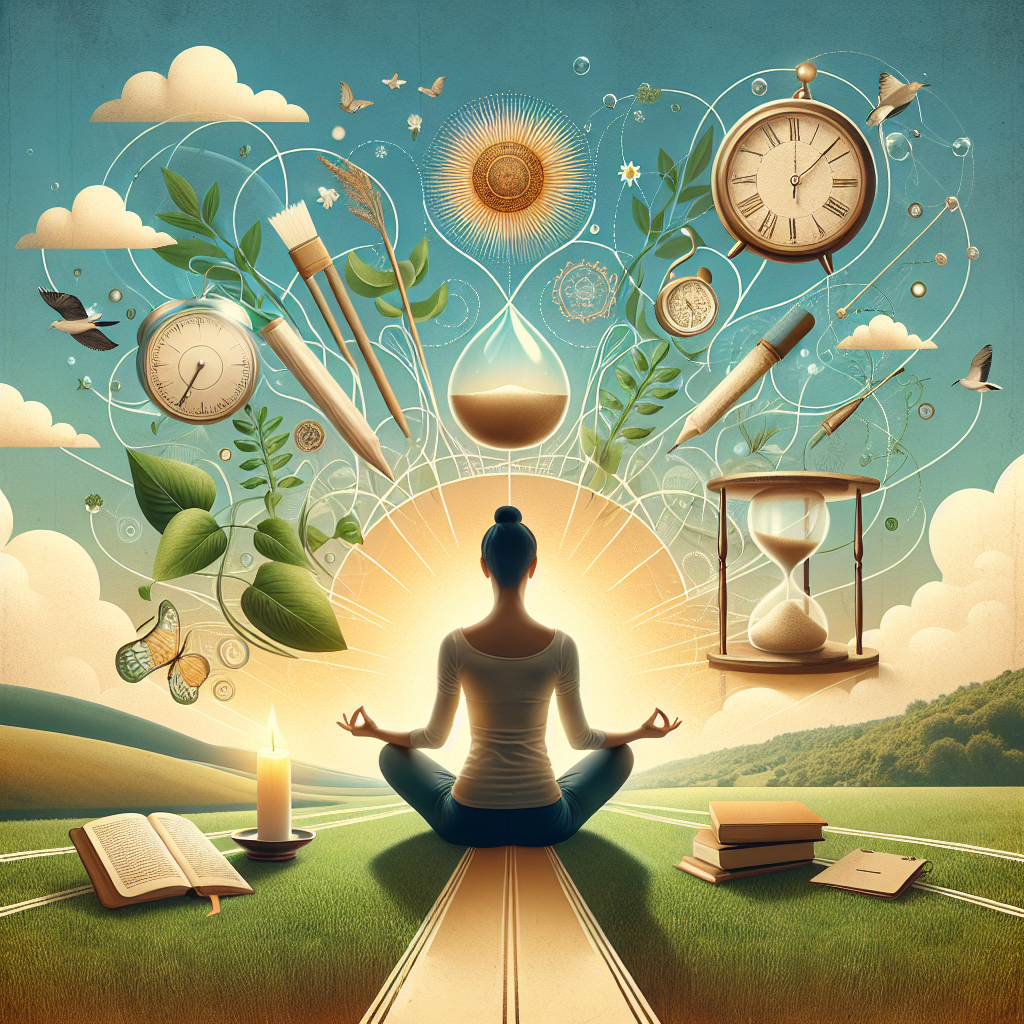
Replace intense digital entertainment with slower, analog pastimes that allow your brain to decompress.
Try:
– Gardening or indoor plant care
– Painting or drawing
– Solving jigsaw puzzles
– Gentle stretching with calming music
These less stimulating but richly rewarding activities help reset dopamine levels and enhance your appreciation for simplicity.
5. Sleep Optimization: Align with Your Natural Rhythms
Disrupted sleep patterns reduce dopamine sensitivity, increasing cravings and reducing emotional resilience. To enhance sleep:
– Avoid digital devices for at least one hour before bed
– Consider amber-tinted glasses or blue-light filters in the evening
– Stick to consistent bedtime and wake-up routines
According to the Sleep Foundation, even brief interruptions to sleep cycles can impair attention and focus during the day.
6. Daily Movement: Use Exercise to Support Natural Dopamine
Physical activity enhances dopamine levels naturally and sustainably—without the crash. Effective and gentle ways to introduce movement:
– Morning walks in natural light
– Short yoga or mobility sessions at home
– Fun, low-impact classes like water aerobics or dance
Walking without music or headphones allows the brain to engage fully with the environment, further enhancing mindfulness and dopamine response.
The Adjustment Period: What to Expect
During the first few days of this detox, you may notice increased boredom, irritability, restlessness, or fatigue. These are signs your dopamine system is rebalancing—similar to withdrawal symptoms from excessive sugar or caffeine.
With consistency, most people report noticeable improvement in mood, focus, and satisfaction within the first week.
You may start:
– Noticing richer music experiences
– Savoring the taste of fresh fruits
– Becoming more engaged in reading or conversation
Community support, journaling, and therapies such as cognitive behavioral therapy (CBT) can provide additional tools for staying on track. If symptoms feel unmanageable, consider speaking with a qualified mental health provider.
The Benefits: Restored Appetite and Renewed Reward Sensitivity
As you recondition your brain and body through the Digital Dopamine Detox Diet, the benefits are both physical and emotional:
– Noticeably improved appetite regulation
– Decreased cravings for ultra-processed foods
– Better quality sleep and daytime alertness
– Increased productivity and creative focus
– Joy from smaller, quieter moments
Dr. Judson Brewer, author of The Craving Mind, describes it this way: “It’s not about fighting cravings—it’s about changing your relationship to them.”
Start Small: Build Daily Detox Rituals
You don’t need to go cold turkey to get started. Small, consistent changes lead to sustainable results.
Try:
– Eating breakfast without your phone
– Taking a midday walk without music
– Journaling one sentence about your cravings each evening
– Cooking just one fresh meal per day
– Sipping morning coffee while reading a book—not scrolling your feed
Want to dive deeper into managing emotional eating or food dependency? Visit edrugstore.com’s expert guide on managing food addiction for practical strategies and wellness support.
Final Thoughts: Reclaim Joy, Focus, and Fulfillment
The purpose of a Digital Dopamine Detox Diet isn’t to remove pleasure—it’s to reclaim meaningful pleasure. By stepping away from overstimulation, you train your brain to appreciate life’s quieter, richer experiences.
Rediscover what it feels like to lose yourself in a book, really taste your meals, or enjoy an unhurried conversation. These are not small rewards—they are deeply sustainable ones.
Let go of digital autopilot. Reconnect with your senses. Reignite your inner balance.
Your brain—and your appetite—will thank you.
References
1. Lembke, A. (2021). Dopamine Nation: Finding Balance in the Age of Indulgence. Dutton.
2. Volkow, N. D., et al. (2011). Dopamine in drug abuse and addiction: results from imaging studies and treatment implications. Molecular Psychiatry.
3. Harvard Health Publications. (2020). Mindful Eating: Savor the Flavor.
4. Sleep Foundation. Dopamine and Sleep.
5. Gearhardt, A. N., et al. (2011). The addiction potential of hyper-palatable foods: similarities to drug-like behavior.
6. Robertson, I. H., et al. (2018). Rebooting the Brain’s Reward System: A Pathway for Dopamine Renewal.
7. Brewer, J. (2016). The Craving Mind. Yale University Press.
—
Ready to publish. Let me know if you’d like this turned into a downloadable PDF or short-form snippets for social media.
Related posts
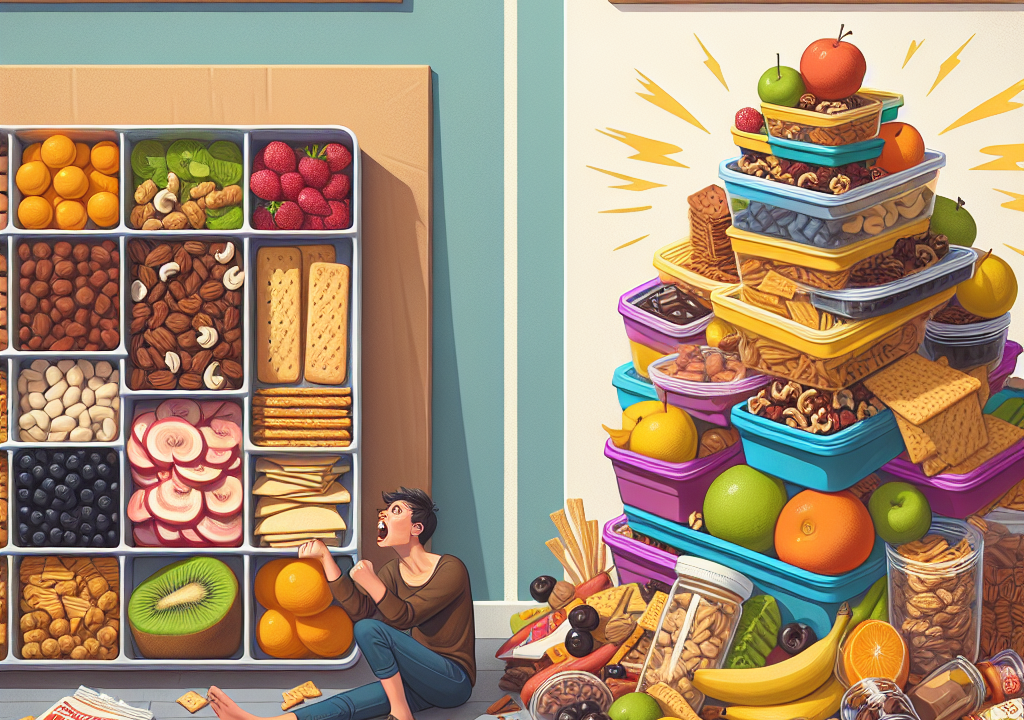
Why Pre-Portioned Snacks Work Better Than Willpower
Unlock the secret to effortless portion control with pre-portioned snacks! Ditch the struggle of relying solely on willpower. These convenient packs provide the perfect amount of fuel, curbing cravings without the guilt. Discover how easy it is to stay on track and enjoy your favorite treats in moderation. Start snacking smarter today!
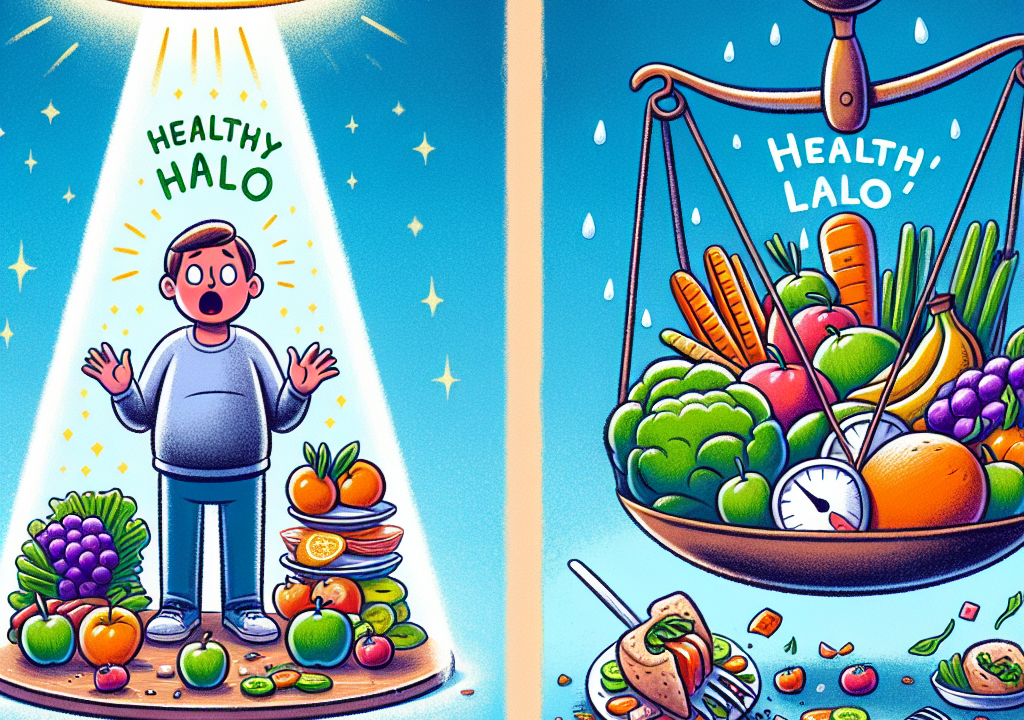
The “Healthy Halo” Effect: How Labels Trick You Into Overeating
Unlock the secret behind the “Healthy Halo” effect that’s making you overeat without realizing it! Discover how cleverly designed labels trick your mind into consuming more than you should. Dive into our blog to learn how to outsmart these marketing strategies and make healthier food choices effortlessly. Start eating smarter today!
