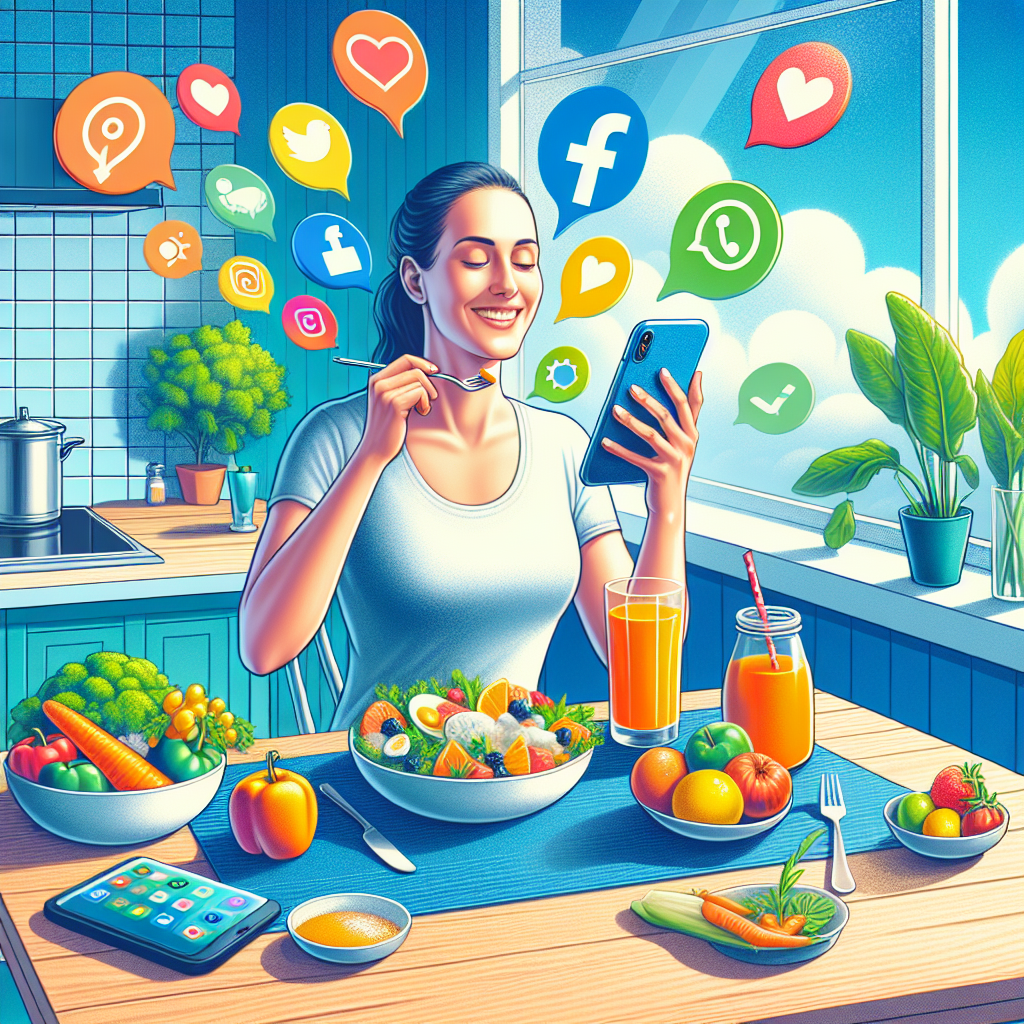
Digital Fasting: How Taking Social Media Breaks Can Support Healthier Eating Habits
In today’s world of nonstop social media scrolling, platforms like Instagram, TikTok, and Facebook shape not only how we connect but also how we see ourselves—and how we eat. Beauty standards, viral diets, and tempting food photos fuel constant comparison and, often, unconscious eating patterns.
As a result, many people are now exploring the trend of digital fasting to improve their relationship with food. Digital fasting refers to taking intentional breaks from screens, particularly from social media, to reset focus, reduce stress, and support both mental and physical health.
“There’s increasing evidence that social media is influencing not just our minds, but our plates,” says Dr. Susan Albers, a psychologist at the Cleveland Clinic. “Taking a break can help reset both.”
In this article, we’ll examine how social media affects our eating choices, how digital fasting can serve as a tool for improvement, and simple ways you can get started on your own digital detox journey.
How Social Media Influences Eating Habits
Social platforms are packed with eye-catching food content—from colorful smoothie bowls to decadent desserts and viral fast food hacks. While entertaining, this constant exposure has subtle, lasting effects on our relationship with food.
According to a 2022 study published in the journal Appetite, frequent exposure to food imagery through social media is linked to increased cravings and impulsive eating, even in the absence of hunger (Turnwald et al., 2022).
Consider the following situations:
– You weren’t hungry until a rich chocolate cake popped up on your feed.
– A fitness influencer’s post causes you to second-guess your lunch choices.
– A midnight scroll ends with a late food delivery order.
This kind of **digital exposure to food cues** can ignite cravings and create emotional triggers. Registered dietitian Jamie Nadeau explains, “Seeing curated body images alongside unrealistic diet tips can build food guilt and contribute to unhealthy habits.”
Moreover, eating while scrolling—often referred to as “second-screening”—can result in mindless consumption and missed internal cues like fullness. A 2023 report from the Cleveland Clinic connects this distracted eating to a higher risk of overeating.
Let’s explore what digital fasting actually involves and how it may provide relief and reset for your relationship with food.
What Is Digital Fasting?
Digital fasting isn’t about completely eliminating technology. Instead, it’s about creating intentional breaks from digital inputs, especially social media, to support mental well-being and, importantly, more mindful eating.
Just like intermittent fasting is about managing when you eat, a digital fast focuses on when and how you engage with digital content. Common methods include:
– Putting phones away during meals
– Taking 24-hour breaks from apps like Instagram and Snapchat
– Turning off push notifications for food-related content
– Activating grayscale screen modes to make scrolling less appealing
While many people start digital fasts to reduce stress or improve focus, research from the University of York found that even brief screen breaks increase awareness of hunger and fullness signals (York Digital Wellbeing Study, 2021).
So how exactly does stepping away from your screen positively affect how you eat?
How Taking a Screen Break Can Improve Eating Habits
Increased Mindful Eating
By eliminating screens during meals, you can better focus on the flavors, textures, and satisfaction a meal brings. Digital fasting supports fully present eating, which has been shown to reduce calorie intake.
In a 2021 Harvard study, individuals practicing mindful eating consumed 200 fewer calories per meal on average and felt more satisfied afterward (Harvard Health Publishing, 2021). Mindful eating helps your brain recognize fullness cues before overeating can occur.
Reduced Emotional Eating
Social media platforms often elevate anxiety through curated images and highlight reels. This heightened stress can trigger emotional eating as a coping mechanism.
“Even five minutes on Instagram can spike cortisol, our stress hormone,” notes Dr. Albers. Digital detoxes remove these stressors, helping you manage emotions without turning to food.
Better Sleep and Smarter Food Choices
Late-night scrolling negatively impacts sleep due to blue light exposure and mental stimulation, which can lead to poor food decisions the next day.
The Sleep Foundation notes that sleep-deprived individuals consume up to 385 more calories daily—often from sugary or high-carb foods (SleepFoundation.org, 2022). Instituting screen-free hours before bed may lead to better food awareness the next morning.
Fewer Cravings from Less Exposure
Tempting food content on social media is designed to trigger desire. Short video clips showing warm cookies, cheese pulls, or indulgent recipes are engineered to capture attention—and appetite.
By reducing exposure to digital food triggers, you lower your chances of making impulsive, unhealthy food choices. If nighttime scrolling is your weak spot, consider turning off notifications or removing specific apps before bed to help maintain discipline.
For more insights into managing cravings and developing healthier habits, visit edrugstore.com.
Tips for a Successful Digital Fast
If you’re curious about trying a digital detox, start small. Consistency is more important than intensity. Here’s how to ease into a successful digital fast that benefits your eating habits:
1. Define Your Purpose
Know why you’re doing this fast. Do you want to curb cravings? Improve focus during meals? Feel less anxious about comparison? Clear intentions help guide your actions and boost your motivation.
2. Set Clear Boundaries
Try limits like “no screens during meals” or “no social media after 8 PM.” Use built-in tools such as Apple Screen Time or Android Digital Wellbeing to help track progress and keep boundaries in place.
3. Clean Up Your Feed
Follow accounts that support body positivity and realistic diet advice. Unfollow or mute accounts that promote unsustainable ideals or cause negative self-comparisons.
4. Replace Screen Time with Healthy Habits
Swap scrolling with engaging offline habits such as journaling meals, going for a walk after eating, or trying a new recipe. This supports healthier routines without feeling deprived.
5. Monitor Your Progress
Keep a journal or use a notes app to track mood changes, hunger awareness, or snacking patterns. Reflect weekly to see your growth and adjust your goals as needed.
The Power of Logging Off
Social media is an everyday part of modern life—but unchecked screen time, especially when it surrounds eating, can quietly undermine your health goals.
Practicing intentional digital fasting is a powerful way to take back control. Even a short break can benefit your mind and body by:
– Reducing cravings
– Enhancing food choices
– Improving your mood
– Restoring better sleep
“Think of it as a reset button,” says nutrition expert Jamie Nadeau. “By stepping back digitally, you give your brain space to truly connect with your body.”
Next time you sit down for a meal, challenge yourself to put all devices away. Just focus on your food, your senses, and the experience. You might be surprised by how fulfilling mindful eating can be without the distraction of a screen.
Wrap up your next weekend by taking a 24-hour social media break—and reflect on what changes you notice in your eating and stress levels.
Already tried cutting digital time to change your eating habits? Share your experience in the comments below.
References
– Turnwald, B. P., et al. (2022). Social media food content and its impact on cravings. Appetite.
– Harvard Health Publishing. (2021). Mindful eating: Savor the moment — and the food.
– York Digital Wellbeing Study. (2021). Impact of tech breaks on body signal awareness.
– Sleep Foundation. (2022). Sleep deprivation and calorie intake. Retrieved from https://www.sleepfoundation.org
– Cleveland Clinic. (2023). Distraction and digestion: How screen time affects meal behavior.
Looking for more tips to support your health journey? Explore expert-approved wellness strategies at edrugstore.com.
Related posts
Why Pre-Portioned Snacks Work Better Than Willpower
Unlock the secret to effortless portion control with pre-portioned snacks! Ditch the struggle of relying solely on willpower. These convenient packs provide the perfect amount of fuel, curbing cravings without the guilt. Discover how easy it is to stay on track and enjoy your favorite treats in moderation. Start snacking smarter today!
The “Healthy Halo” Effect: How Labels Trick You Into Overeating
Unlock the secret behind the “Healthy Halo” effect that’s making you overeat without realizing it! Discover how cleverly designed labels trick your mind into consuming more than you should. Dive into our blog to learn how to outsmart these marketing strategies and make healthier food choices effortlessly. Start eating smarter today!
