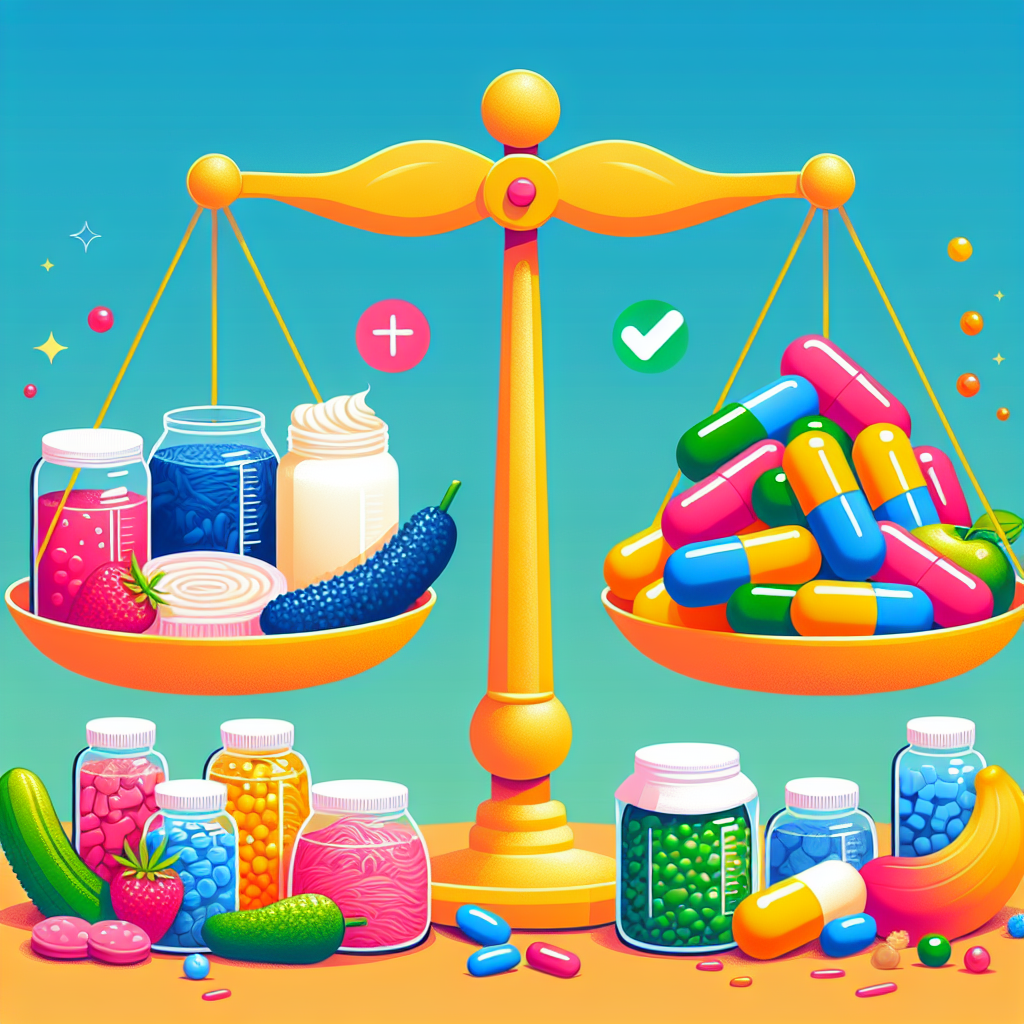
Edible Probiotics vs. Supplement Capsules: Which One Colonizes the Gut Better?
In the growing conversation on digestive wellness, probiotics have taken center stage. These “good” bacteria are linked to various health benefits—including improved digestion, enhanced immune response, and mental clarity. But when it comes to strengthening your gut microbiome, a common question arises:
Do you get better results from fermented foods or high-potency supplement capsules?
Let’s explore how each option influences the colonization of beneficial bacteria in your gut—and ultimately, your overall health.
What Is Gut Colonization and Why Does It Matter?
Before we dive into food versus supplements, it’s important to understand what “gut colonization” truly means.
In simple terms, colonization refers to the ability of probiotics to survive journeying through your digestive tract and successfully establish themselves in your intestines. That’s significant because your gut houses more than 100 trillion microorganisms that help regulate almost every bodily function.
According to Dr. Megan Rossi, author of Eat Yourself Healthy:
“Successful colonization isn’t just about getting probiotics into your body—it’s also about ensuring they stick around long enough to make a difference.”
That means for long-term health benefits, it’s not enough to consume probiotics—you need to help them survive and thrive in your gut.
Fermented Foods: Natural, Nutrient-Dense, and Probiotic-Rich
Fermented foods such as yogurt, kefir, sauerkraut, kimchi, miso, tempeh, and kombucha contain naturally occurring probiotic strains. But they also offer much more.
These foods come packed with enzymes, minerals, and fiber, working together to nourish your gut in a holistic way.
Key benefits of fermented foods include:
– Increased microbial diversity due to a variety of bacteria strains
– Natural prebiotics (fiber) that feed both existing and new probiotic strains
– The protective food matrix of fats, proteins, and carbohydrates that helps probiotics survive gastric acid—improving survival by up to 20% compared to some supplements
– Enhanced interaction with the gut lining that aids bacterial colonization
For instance, a tablespoon of raw sauerkraut may contain over a dozen probiotic strains, while traditional yogurt includes live cultures like Lactobacillus bulgaricus and Streptococcus thermophilus.
However, one challenge with edible probiotics is inconsistency. The number of active cultures can vary from batch to batch, and often, these foods provide lower colony-forming units (CFUs) than standardized supplements.
Probiotic Supplements: Precision, Potency, and Practical Benefits
Supplement capsules offer a concentrated, measurable form of probiotics. Typically sold as capsules, powders, or chewables, they are designed with specific health goals in mind—ranging from digestive support to immunity and skin health.
Why you might choose probiotic supplements:
– Each dose contains known, high concentrations—often 10 to 50 billion CFUs per serving for reliable dosing
– Specific strains are selected for well-established clinical benefits. For example, Lactobacillus rhamnosus GG has shown the ability to reduce diarrhea in children
– Delayed-release or enteric-coated capsules improve survival through the stomach and ensure delivery to the intestines
That said, studies show many supplemental probiotics are “transient”—meaning they help temporarily and leave the body shortly after usage unless supported by an appropriate diet.
Scientific Comparison: Which Type Colonizes More Effectively?
So which method is better at helping probiotics survive and settle in the gut?
Research shows most probiotics—regardless of source—typically don’t permanently colonize the gut. In fact, a study published in Cell revealed that within two weeks of stopping probiotic use, most strains became undetectable.
However, fermented foods may have an advantage.
A 2021 study conducted by Stanford University found that participants who consumed fermented foods daily experienced greater microbial diversity and stronger colonization compared to those who consumed a high-fiber diet alone.
This may be because fermented foods combine multiple elements—probiotic strains, prebiotics, and enzymes—within a whole-food matrix, improving survival and potential colonization.
Still, targeted supplements shine in specific situations, such as:
– After a round of antibiotics
– When traveling to prevent digestive upset
– Managing chronic conditions like irritable bowel syndrome, eczema, or urinary tract infections
Best of Both Worlds: Pair Fermented Foods and Supplements
The most effective approach to long-term gut health may be to combine both fermented foods and supplements strategically.
Here’s how to create a balanced probiotic routine:
– Include fermented foods in your daily meals—think kefir, tempeh, miso soup, or live-culture yogurt
– Use targeted supplements during times of illness, stress, travel, or dietary gaps
– Support both edible and supplemental probiotics with prebiotic-rich foods like garlic, onions, leeks, asparagus, and oats
Dr. Michael Ruscio, author of Healthy Gut, Healthy You, explains:
“Think of fermented foods as daily maintenance for your gut, and probiotic capsules as medical-grade tools when you need a reset or extra digestive support.”
Final Thoughts: How to Make Probiotics Work for You
There’s no single perfect probiotic solution—but there is an effective strategy: diversity, consistency, and support.
Choose fermented foods for everyday wellness. Reach for high-potency supplements when your body needs faster or more targeted support. And always pair your probiotics with the right diet—especially one rich in fiber and prebiotics.
Whether you’re enjoying a bowl of miso soup or packing probiotic capsules for travel, remember: a combination approach supports better colonization, healthier digestion, and improved long-term gut health.
Have you tried both approaches? What worked best for you? Share your experiences in the comments section below.
References
1. Rossi, M. (2020). Eat Yourself Healthy. Penguin Life.
2. Marco, M. L., et al. (2017). Health benefits of fermented foods: microbiota and beyond. Current Opinion in Biotechnology.
3. Nagpal, R., et al. (2012). Probiotics, their health benefits and applications for developing healthier foods. International Journal of Food Sciences and Nutrition.
4. Szajewska, H., et al. (2016). Lactobacillus GG for treating acute gastroenteritis in children: updated meta-analysis. Pediatrics.
5. Zmora, N., et al. (2018). Personalized Gut Mucosal Colonization Resistance to Empiric Probiotics. Cell.
6. Wastyk, H. C., et al. (2021). Gut-microbiota-targeted diets modulate human immune status. Cell.
7. Epright, M., BioGaia. (2021). Clinical effects of probiotics in the treatment of irritable bowel syndrome.
8. Ruscio, M. (2018). Healthy Gut, Healthy You. Integrative Health Publishing.
Related posts

How Strategic Cheat Meals Can Jumpstart Progress When Weight Loss Plateaus Threaten Your Motivation
Unlock the secret to overcoming weight loss plateaus with strategic cheat meals! Discover how indulging mindfully can reignite your motivation and boost your progress. Learn to transform those guilty pleasures into powerful tools that keep you on track and excited about your journey. Embrace balance, satisfaction, and success like never before!

Unlocking the Weekend Eating Paradox: Why Cheat Meals Can Boost Fat Loss Without Derailing Your Diet
Struggling to stick to your diet over the weekend? Discover the secret to enjoying guilt-free cheat meals while accelerating fat loss! “Unlocking the Weekend Eating Paradox” reveals how strategic indulgences can revitalize your metabolism and amplify results without derailing your progress. Ready to transform your weekends into a powerful weight-loss ally? Dive in now!
