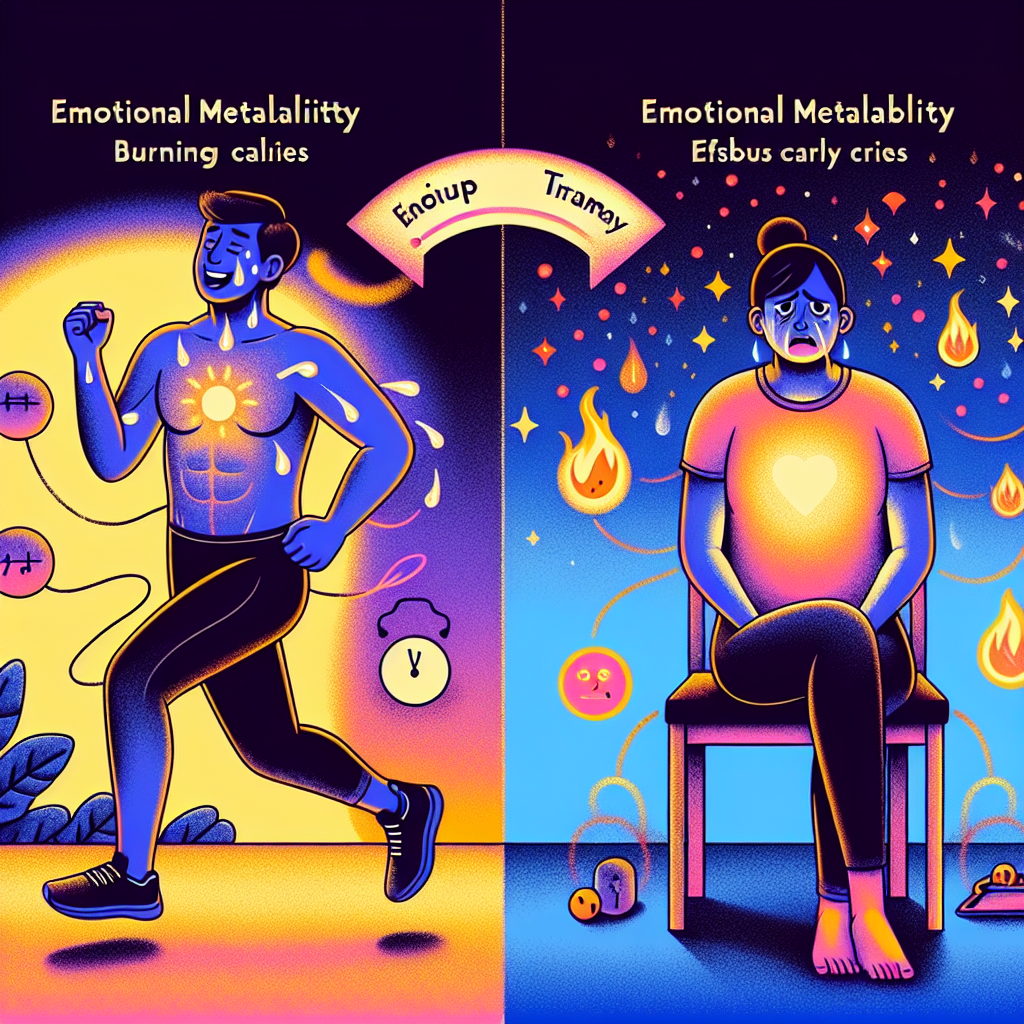
Emotional Metabolism and Trauma: How Emotional Stress Impacts Calorie Burning and Long-Term Health
When we think about metabolism, most of us picture calorie-burning, fitness routines, or the latest trendy diet. But there’s an overlooked truth: your emotional wellbeing plays a profound role in how your body processes energy. Unresolved trauma can profoundly influence not only how your body burns calories but also how it stores fat and manages stress-related hormones.
Emerging research continues to uncover how deep-rooted emotional wounds—particularly trauma and post-traumatic stress disorder (PTSD)—can alter the metabolic processes responsible for maintaining energy balance. This growing field of inquiry is bringing much-needed attention to the concept of emotional metabolism, and the powerful connection between the mind and body.
Understanding Emotional Metabolism: It’s More Than Calories In vs. Out
The term “emotional metabolism” may not yet be standard in medical textbooks, but it accurately captures the idea that our emotions directly affect our biology.
When we experience intense emotions—especially traumatic ones—they activate stress-response systems that can permanently alter metabolic functions. This includes:
– Disruption of insulin and blood sugar regulation
– Chronic inflammation
– Distorted hunger and satiety signaling
– Sleep disturbances
– Hormonal imbalances, including thyroid dysfunction
As trauma expert Dr. Bessel van der Kolk notes, “The body keeps the score.” This means that our nervous system registers and stores emotional trauma in ways that can later manifest as physical symptoms.
For example, a child who experiences prolonged neglect or instability may grow into adulthood with elevated cortisol levels. Despite eating nutritiously and exercising regularly, such individuals may still struggle with weight gain and insulin resistance due to these underlying hormonal imbalances.
How Trauma Leaves a Physical Imprint on the Body
Trauma activates the body’s survival mode—readying it for fight, flight, or freeze. This state is fueled by the release of powerful stress hormones like cortisol and adrenaline. In short bursts, this stress response serves a protective function. But when stress hormones remain chronically elevated, they begin to break down your body at the cellular level.
Consistently high cortisol levels are associated with a number of metabolic consequences, such as:
– Accumulation of visceral (belly) fat
– Sluggish digestion
– Intense sugar cravings
– Poor sleep quality
According to Harvard Health Publishing, persistent stress-related surges in cortisol are one of the key drivers behind metabolic syndrome—a cluster of conditions that raises the risk for heart disease and diabetes.
As Dr. Sara Gottfried, MD, explains, “Metabolism isn’t just about what you eat or how much you move. It’s influenced by how you feel and how your body interprets stress.”
The Connection Between Trauma and Insulin Resistance
Emotional trauma doesn’t just affect how we feel or cope—it can physically alter how our cells respond to insulin. Insulin resistance occurs when the body’s cells lose their sensitivity to insulin, resulting in elevated blood sugar levels and increased fat storage.
In a study published in Diabetologia, researchers found that people suffering from PTSD had a 30% higher risk of developing type 2 diabetes, even when controlling for diet and exercise.
Further research in The Journal of Clinical Endocrinology & Metabolism reveals that over 38% of adults with chronic PTSD show signs of insulin resistance—even those who aren’t overweight. This stark data shows that emotional stress alone can trigger serious metabolic dysfunction.
For instance, an adult who experienced significant childhood adversity may develop hormonal patterns that favor fat storage, all while maintaining an otherwise healthy lifestyle.
Emotional Eating: A Coping Mechanism, Not a Weakness
People often feel guilty for emotional eating, viewing it as a lack of discipline. However, for trauma survivors, turning to food is often a coping response to psychological pain rather than a lack of willpower.
A 2021 study in the journal Appetite reported that over 60% of trauma survivors use food as a way to regulate emotions or numb emotional discomfort.
As licensed therapist and registered dietitian Marci Evans explains, “Emotional eating is a form of self-soothing. It’s a response to unmet emotional needs—not a failure of character.”
Addressing emotional metabolism requires more than food plans and exercise routines. It requires trauma-informed care that includes emotion-centered therapy and nutritional education to re-establish safety and regulation in the body.
The nervous system must feel secure before lasting metabolic improvements can occur.
The Polyvagal Theory: How Trauma Disrupts Metabolic Balance
Dr. Stephen Porges’ Polyvagal Theory offers valuable insight into how trauma reshapes bodily functions. According to this theory, trauma can trap individuals in maladaptive nervous system states:
– Sympathetic (fight or flight): hyperawareness, anxiety, rapid metabolism, and digestive disruption
– Dorsal vagal shutdown (freeze): low motivation, fatigue, poor digestion, and slow metabolism
These nervous system patterns bypass the body’s parasympathetic or “rest-and-digest” state—the zone where healing and metabolic regulation typically happen. That’s why many individuals with trauma histories experience weight fluctuation, fatigue, and digestive issues, regardless of lifestyle changes.
Data from the National Center for PTSD shows that more than 70% of people with trauma histories report somatic symptoms, including gastrointestinal problems, sleep disturbances, and unexplained tiredness.
Healing Emotional Metabolism: A Body-Mind Integrated Approach
Fortunately, healing is entirely possible. The human body is remarkably resilient, and with the right tools, it is possible to recalibrate the nervous system, lower chronic stress hormones, and restore proper metabolic functioning.
Effective trauma-sensitive treatments include:
– EMDR (Eye Movement Desensitization and Reprocessing)
– Somatic Experiencing therapy
– Trauma-informed yoga and conscious breathing exercises
– Mindfulness-Based Stress Reduction (MBSR)
From a functional medicine perspective, practitioners are using tools like:
– Salivary cortisol rhythm testing
– Gut microbiome evaluation
– Hormonal panels detecting adrenal, thyroid, and insulin function
These diagnostics help uncover physiological imbalances so they can be holistically addressed. In some cases, repeated dieting failures are rooted not in behavior but in adrenal fatigue, hormone imbalances, or an unregulated nervous system.
It’s Not About Willpower—It’s About Healing
If you’ve spent years counting calories, working with nutritionists and personal trainers, or even taking weight loss medications without sustainable results—the problem may not be you. It might be your body protecting itself from unresolved emotional pain.
As trauma recovery coach Britt Frank puts it, “Healing doesn’t start with fixing your food—it starts with feeling safe.”
This new approach to health means addressing both the emotional and biological influences on metabolism. When both are treated in tandem, real transformation becomes possible.
The Body Tells the Story: Redefining What It Means to Be Healthy
Your body is always sending signals about your inner world. Symptoms such as unexplained weight gain, constant fatigue, or digestive problems may be less about your habits and more about your history.
Understanding emotional metabolism unites psychology and physiology. When you give your emotions room to be acknowledged and processed, metabolic healing becomes more compassionate—and far more effective.
By integrating therapy, stress-reduction strategies, and evidence-based nutrition, you’re not just improving how you look. You’re learning to trust your body, meet its needs, and reconnect with yourself.
This is the future of wellness: not punishment or restriction, but resilience and restoration. When you heal emotionally, your metabolism often follows.
References:
– Heim, C., et al. (2008). Early life stress and dysregulation of the hypothalamic–pituitary–adrenal axis. Psychoneuroendocrinology.
– Michaud, K., et al. (2015). PTSD and risk of Type 2 Diabetes. Diabetologia.
– Harvard Health Publishing (2020). How stress affects the metabolism.
– Van der Kolk, B. (2014). The Body Keeps the Score.
– National Center for PTSD. (2021).
– Porges, Stephen W. (1995). Polyvagal Theory.
– Appetite Journal. (2021). Trauma-related emotional eating statistics.
Related posts

How Strategic Cheat Meals Can Jumpstart Progress When Weight Loss Plateaus Threaten Your Motivation
Unlock the secret to overcoming weight loss plateaus with strategic cheat meals! Discover how indulging mindfully can reignite your motivation and boost your progress. Learn to transform those guilty pleasures into powerful tools that keep you on track and excited about your journey. Embrace balance, satisfaction, and success like never before!

Unlocking the Weekend Eating Paradox: Why Cheat Meals Can Boost Fat Loss Without Derailing Your Diet
Struggling to stick to your diet over the weekend? Discover the secret to enjoying guilt-free cheat meals while accelerating fat loss! “Unlocking the Weekend Eating Paradox” reveals how strategic indulgences can revitalize your metabolism and amplify results without derailing your progress. Ready to transform your weekends into a powerful weight-loss ally? Dive in now!
