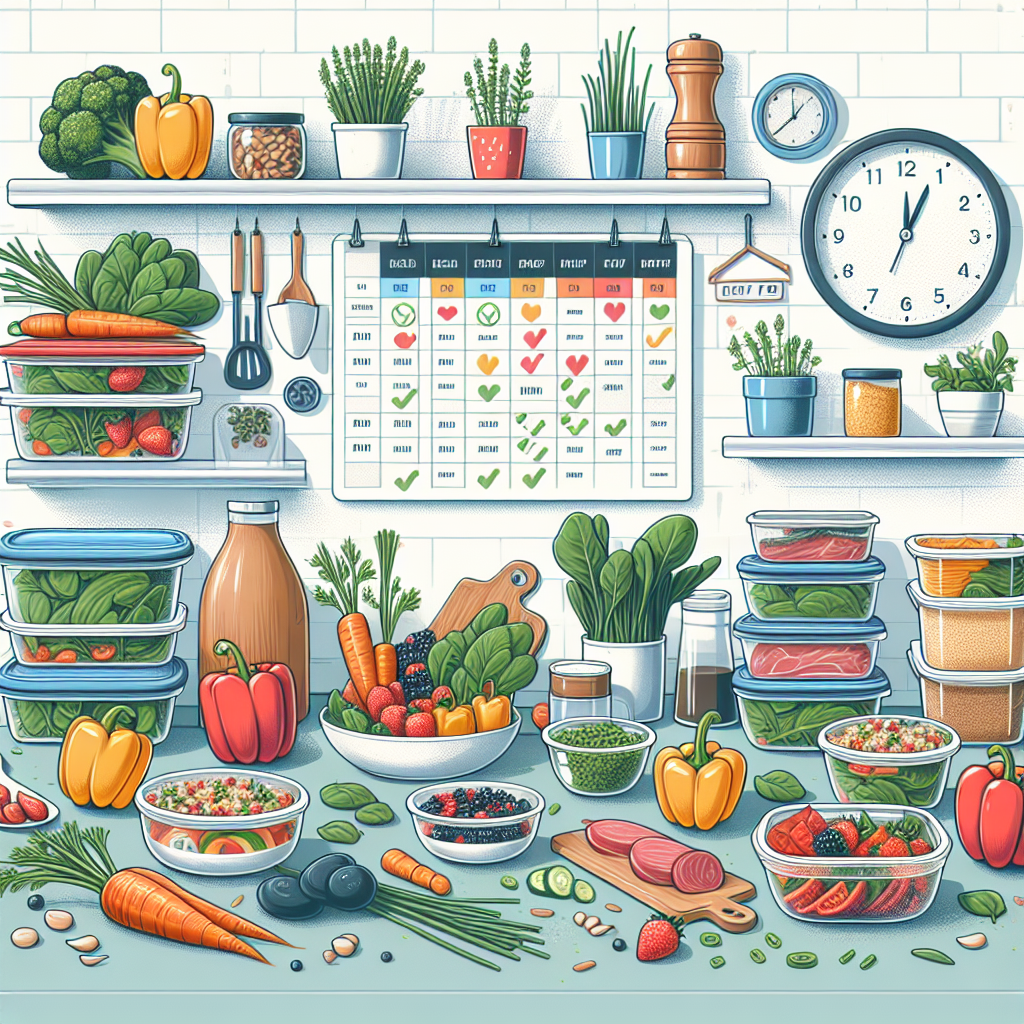
FODMAP Diet Meal Prep: Gut-Friendly Strategies for Busy Weeks
Why a Low FODMAP Diet Can Transform Digestive Health
For anyone managing symptoms of Irritable Bowel Syndrome (IBS), following a low FODMAP diet meal plan can offer significant relief. According to Monash University—the original developers of the diet—about 75% of people with IBS experience notable symptom improvement after adopting this approach. The low FODMAP diet identifies and eliminates certain fermentable carbohydrates that trigger bloating, gas, and abdominal discomfort.
Despite its benefits, staying consistent can be challenging with a busy lifestyle. That’s where smart meal prep strategies come in, offering convenience and control over what you eat while supporting your digestive health.
Why Meal Prep Is Crucial for IBS Management
Unlike flexible eating patterns, the low FODMAP approach to digestive health requires accuracy and discipline. Ingredients high in FODMAPs, such as garlic, onions, certain fruits, and lactose-containing dairy, can easily slip into sauces, snacks, and restaurant meals.
Gastroenterologist Dr. Suzanne Hall emphasizes, “The low FODMAP diet isn’t restrictive forever—it’s about finding what works for you and minimizing triggers.” This is why low FODMAP batch cooking strategies are game changers. Preparing meals ahead of time not only helps avoid symptom flare-ups but brings peace of mind to mealtimes.
How to Prepare for a Low FODMAP Week
Setting up your kitchen and routine at the beginning of the week makes sticking to a low FODMAP plan much simpler. Follow these foundational steps to make your prep time efficient and effective:
1. Understand Your FODMAPs: Use dependable tools like the Monash University FODMAP app or the FODMAP Friendly app to know which foods are safe. For example, broccoli florets are low FODMAP, whereas stalks are not—a small but important distinction.
2. Plan Simple, Repeatable Recipes: Choose three or four versatile, reliable recipes to rotate throughout the week. Select meals that combine low FODMAP carbs—like rice or quinoa—with proteins and safe vegetables.
3. Stick to Whole Ingredients: Base your groceries on clean, whole foods such as firm tofu, chicken breast, spinach, zucchini, carrots, oats, and lactose-free dairy. This strategy saves time decoding food labels and reduces the risk of consuming hidden FODMAPs.
Top 5 Meal Prep Strategies for Digestive Wellness
Once you’re ready to get cooking, use these expert-backed techniques to stay on track.
1. Batch Cook Your Proteins
Protein is vital for balanced meals. Grill several chicken thighs, roast a few salmon fillets, or bake turkey meatballs at once and store them in refrigerated containers. No-cook protein sources like hard-boiled eggs and canned tuna in water or olive oil are also convenient grab-and-go options.
2. Prepare Versatile Low FODMAP Sides
Cook a large tray of low FODMAP vegetables such as zucchini, carrots, spinach, and eggplant. Complement them with a bulk batch of gluten-free pasta or basmati rice. These ingredients can be combined into stir-fries, wraps, or nourish bowls with herbs like parsley or basil to keep things flavorful.
3. Whip Up Homemade Sauces and Dressings
Many pre-packaged sauces contain hidden FODMAPs like garlic or onion powder. Instead, make your own condiments using safe ingredients. A great option is garlic-infused olive oil—just heat oil with whole garlic cloves and remove them afterward to retain the flavor without the FODMAPs. Other great options include tahini-lemon dressing and homemade lactose-free tzatziki.
4. Stock Gut-Friendly Snacks
Combat cravings with IBS-safe snack options. Some ideas include rice cakes topped with peanut butter, lactose-free yogurt, sliced kiwi—which supports digestion—or a handful of verified low FODMAP fruits like strawberries or blueberries.
5. Freeze Meals for Busy Days
Make the most of your efforts by freezing meals in individual portions. Prepare dishes like gluten-free lasagna with low FODMAP marinara, shepherd’s pie with turkey and carrots, or tofu and vegetable stir-fry. Just reheat when short on time, and dinner is done.
One-Day Sample Low FODMAP Meal Plan
If you’re unsure what to eat in a day, start here. This carefully curated example showcases balanced meals suitable for batch cooking.
– Breakfast: Overnight oats made with almond milk, chia seeds, strawberries, and a drizzle of maple syrup.
– Lunch: Quinoa bowl with grilled chicken, roasted zucchini, carrots, spinach, and garlic-infused olive oil dressing.
– Snack: Rice cakes with natural peanut butter and sliced strawberries.
– Dinner: Baked salmon fillet served with mashed potatoes and steamed green beans.
– Dessert: Lactose-free yogurt with blueberries and a sprinkle of cinnamon.
Helpful Tools and Resources
For personalized support, consult with a licensed dietitian or explore evidence-based medical resources such as:
– Monash University Low FODMAP Diet – www.monashfodmap.com
– FODMAP Friendly App – www.fodmapfriendly.com
– International Foundation for Gastrointestinal Disorders – www.iffgd.org
These sources offer lists of approved foods, supplements, and medications to help you stay safe and informed on your journey.
Tips to Stay Consistent with Your Prep Plan
Consistency is key when managing digestive symptoms with a low FODMAP approach. Keep yourself organized and motivated with these expert-approved habits:
– Clearly Label Your Meals: Use masking tape or stickers to write the meal name and prep date. This prevents waste and keeps choices simple.
– Switch Recipes Regularly: Change up your menu every few weeks. Try new low FODMAP herbs like rosemary, ginger, or thyme to add fresh flavor without irritation.
– Track Food and Symptoms: A food journal can help identify your personal triggers. According to the International Foundation for Gastrointestinal Disorders, journaling supports pattern discovery and improves communication with healthcare providers.
Better Digestion is Just a Prep Session Away
Managing IBS doesn’t mean sacrificing taste or convenience. Through low FODMAP meal planning for digestive health, you can enjoy flavorful, satisfying food while significantly reducing symptoms. The key lies in preparation and personalization.
As experts at Monash University note, success on the FODMAP diet starts with thoughtful planning. Over time, you’ll develop meal habits that support your personal health goals and lifestyle.
Take the First Step Toward a Happier Gut
Start small—check your pantry, create a low FODMAP grocery list, and carve out a few hours this weekend to prep one or two meals. Even small actions can make a big difference.
Have a favorite low FODMAP recipe or prep tip? Share it in the comments—we’d love to learn what’s working for you!
References
1. Monash University – The Low FODMAP Diet: https://www.monashfodmap.com
2. FODMAP Friendly App: https://www.fodmapfriendly.com
3. International Foundation for Gastrointestinal Disorders: https://www.iffgd.org
4. The FODMAP Diet Explained: https://www.monashfodmap.com/about-fodmap-and-ibs/
Related posts

Unlocking the Weekend Eating Paradox: Why Cheat Meals Can Boost Fat Loss Without Derailing Your Diet
Struggling to stick to your diet over the weekend? Discover the secret to enjoying guilt-free cheat meals while accelerating fat loss! “Unlocking the Weekend Eating Paradox” reveals how strategic indulgences can revitalize your metabolism and amplify results without derailing your progress. Ready to transform your weekends into a powerful weight-loss ally? Dive in now!

Navigating Weekend Overindulgence: How Cheat Meals Impact Progress and Strategies for Sustainable Balance
Struggling with weekend overindulgence? Dive into our latest post, “Navigating Weekend Overindulgence: How Cheat Meals Impact Progress and Strategies for Sustainable Balance.” Discover how cheat meals can be a double-edged sword and learn expert strategies to enjoy indulgences guilt-free, while maintaining your health goals. Unlock the secrets to a balanced lifestyle today!
