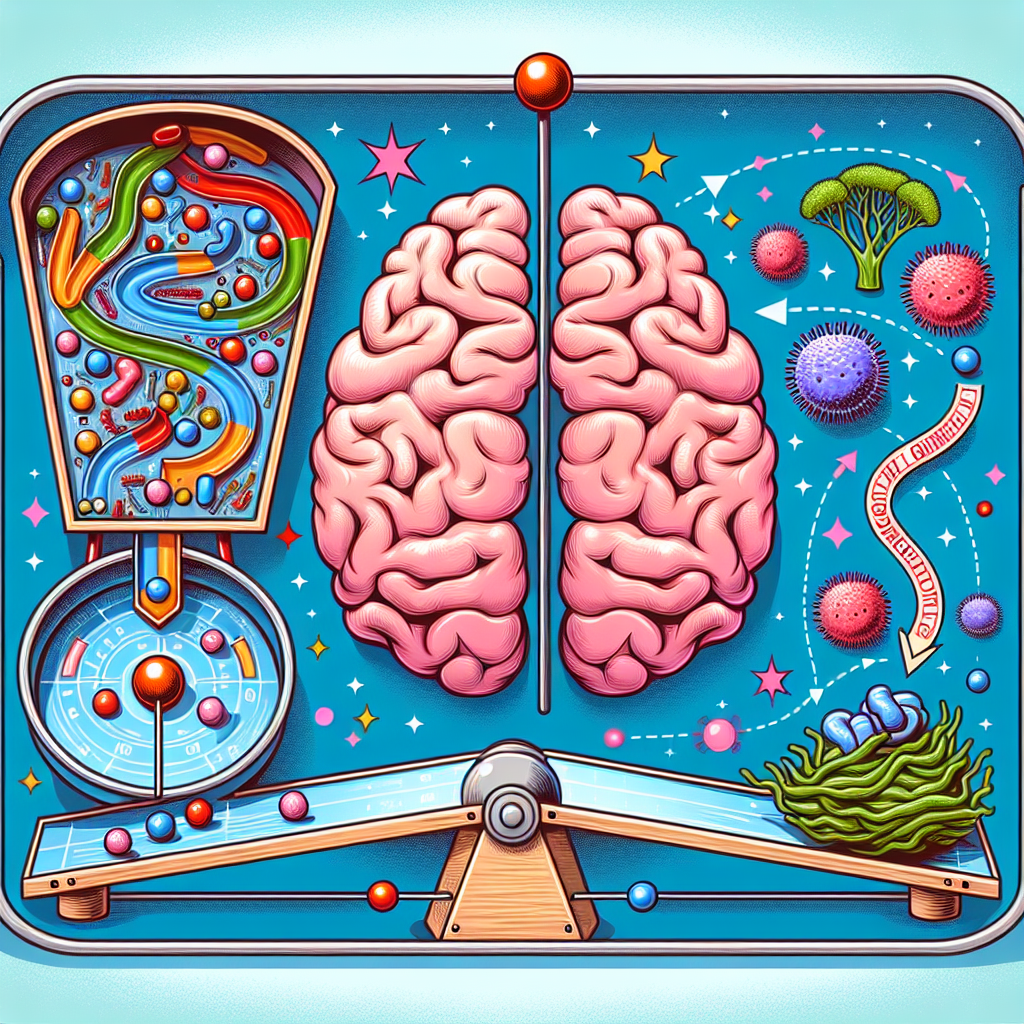
Gut-Brain Gaming: Can Improving Microbiome Balance Reverse Food Addiction Patterns?
Reprogramming the Gut to Override Food Cravings
What if the key to overcoming food addiction isn’t about cutting calories or boosting willpower—but instead reprogramming your gut?
In recent years, scientific discoveries have greatly expanded our understanding of digestion. Your digestive system isn’t just a mechanical organ—it’s part of a complex network that directly links to your brain and regulates behaviors such as hunger, mood, and even addiction. Researchers now believe that your gut microbiome—the trillions of bacteria living in your intestines—may play a crucial role in shaping cravings and emotional eating. This concept, called gut-brain gaming, offers a revolutionary new approach to managing chronic food addiction.
Understanding Food Addiction: It’s Not Just About Self-Control
Food addiction is often misunderstood as a lack of willpower. However, studies reveal a deeper truth: approximately 15 to 20 percent of people experience symptoms of addictive eating behavior, particularly with highly processed or sugary foods. Like substance abuse, food addiction stimulates the brain’s reward pathways, triggering compulsive eating, emotional distress, and withdrawal symptoms when trying to abstain.
“Food addiction is not just a behavioral issue—it’s a biological one,” explains Dr. Nicole Avena, neuroscientist and author of Why Diets Fail. “We have to treat it with the same seriousness we assign to other forms of addiction.”
This means that traditional approaches such as rigid dieting or banning certain foods often fail because they don’t address the biological drivers—especially those rooted in the brain and gut.
The Gut-Brain Axis: The Body’s Hidden Communication Highway
So, how does your gut actually influence your brain?
The answer lies in the gut-brain axis—a bi-directional communication network connecting your nervous system, hormones, and immune responses with your digestive tract. It’s powered in part by the vagus nerve and supported by hormones like serotonin and cortisol.
Interestingly, more than 90 percent of serotonin, a key neurotransmitter that influences mood and impulse control, is produced in the gut (National Institutes of Health, 2023).
When your microbiome is out of balance—a condition called dysbiosis—this communication line breaks down. The result? Poor mood regulation, increased cravings, and altered hunger cues that can drive compulsive eating.
When Your Microbes Control Your Mind
Certain strains of gut bacteria feed on sugar, refined carbohydrates, and unhealthy fats. These microbes can chemically stimulate cravings for their preferred foods, essentially manipulating your brain to make poor dietary choices that benefit them, not you.
“Your gut microbiota can release neuroactive compounds that influence hunger and desires,” says Dr. Emeran Mayer, author of The Mind-Gut Connection. “This interaction is much more powerful than we once believed.”
If you’ve ever felt powerless against a craving, there may be a biological explanation—your gut ecosystem might be the one in charge. Fortunately, there are ways to shift the balance in your favor.
Gut-Brain Gaming: Reclaiming Control Through Microbial Balance
Rebalancing your gut microbiome may reduce food addiction symptoms by changing the chemical signals driving cravings and poor impulse control.
Here are five science-backed strategies to restore gut health and combat addictive eating patterns:
1. Add Prebiotics and Probiotics
Incorporating both prebiotic (fibers that feed healthy bacteria) and probiotic (live beneficial bacteria) foods helps reshape your microbiome.
A study published in the Journal of Functional Foods found that individuals who consumed probiotic-rich yogurt saw a 22 percent decrease in food cravings after just one month.
Examples to include in your diet:
– Prebiotic-rich foods: bananas, garlic, onions, asparagus, oats
– Probiotic-rich foods: yogurt, kefir, kimchi, sauerkraut
2. Cut Back on Processed Foods
Ultra-processed items often contain additives, emulsifiers, sugars, and artificial flavors that damage beneficial gut bacteria and reduce microbial variety. This decreases resilience against stress and emotional instability.
Swapping these out for nutrient-dense whole foods supports helpful bacteria, improves mood regulation, and reduces compulsive eating.
3. Eat More Polyphenol-Rich Foods
Polyphenols are plant-based compounds that feed beneficial microbes and lower inflammation. They’ve been shown to support gut-brain communication and reduce stress-related eating behaviors.
Polyphenol-rich foods to try:
– Blueberries and other dark berries
– Green tea
– Dark chocolate (70 percent cacao or higher)
– Extra virgin olive oil
A 2021 review in the journal Nutrients linked increased polyphenol intake to better gut-brain signaling and lower reactivity to stress.
4. Practice Mindful Eating
Long-term relief can also come from slowing down. Mindful eating encourages full sensory awareness during meals, helping you better recognize real hunger signals versus emotional or addictive urges.
In fact, research in the journal Appetite found that practicing mindful eating reduced binge episodes by 34 percent.
Simple ways to begin:
– Take five deep breaths before meals
– Chew each bite thoroughly
– Eat without distractions
5. Manage Stress to Heal the Gut
One of the most overlooked parts of the equation is stress.
High stress levels can disrupt gut health, compromise the intestinal lining, and create an inflammatory environment that favors unhealthy bacteria over beneficial strains. Engaging in regular breathwork, meditation, restful sleep, and moderate physical activity can help reverse these effects.
Supplements like digestive enzymes, adaptogenic herbs, or L-tryptophan may also promote balance—and can be found through reliable sources such as edrugstore.com.
Evidence From Research and Real-Life Transformations
While microbiome research is still emerging, early studies are showing promise. In one experiment by the UC Davis Microbiome Institute (2022), mice that received microbiota transplants from sugar-addicted counterparts developed similar addiction characteristics.
Human trials have noted that participants who adopt microbiome-supportive habits often report:
– Fewer sugar cravings and urges for processed foods
– Improved mood, focus, and emotional balance
– Reduced binge and nighttime eating
– Greater sense of dietary control and satisfaction
Real-life testimonials add further weight. Individuals who increased fermented food intake, consumed more fiber, and reduced stress reported feeling more balanced and able to make empowered eating choices.
The Future of Food Addiction Recovery Lies in the Gut
As our understanding of the gut-brain axis deepens, so does our ability to design more effective solutions for food addiction. Rather than relying solely on restriction or willpower, gut-brain gaming encourages lasting change by healing the internal systems that influence appetite, emotion, and cognition.
Future treatment strategies could include personalized microbiome testing, gut-targeted diets, and psychobiotics—probiotics shown to support mental health.
Dr. Mayer summarizes it well: “We need to shift treatment from just the brain to the whole gut-brain system. That’s where long-term, meaningful change happens.”
Final Thoughts: Reset Your Gut, Reclaim Your Health
Food addiction is complex—but your gut holds a powerful key to unlocking healing. By restoring microbial balance, improving gut-brain communication, and managing external stressors, you can move beyond the cycle of compulsive eating.
Try this gut-first reset:
– Increase prebiotic fiber and fermented foods
– Reduce processed snacks and refined ingredients
– Practice five minutes of mindful breathing before meals
Even small changes can lead to significant shifts in how you feel, think, and eat—putting you back in the driver’s seat of your health journey.
Looking for trusted supplements and probiotics? Explore your options through reputable sources like edrugstore.com.
References
– Mayer EA. (2016). The Mind-Gut Connection. Harper Wave
– National Institutes of Health (NIH), Microbiome Research Updates, 2023
– Journal of Functional Foods. “The effect of probiotic yogurt on food craving.” 2020
– Nutrients. “Role of Polyphenols in Gut-Brain Axis.” 2021
– Appetite. “Mindfulness and binge eating: Meta-analysis.” 2022
– UC Davis Microbiome Institute. “Animal Models of Gut-Brain Research.” 2022
Disclaimer: This article is for informational purposes only and is not intended as medical advice. Please consult a healthcare professional before making any changes to your health regimen.
Related posts
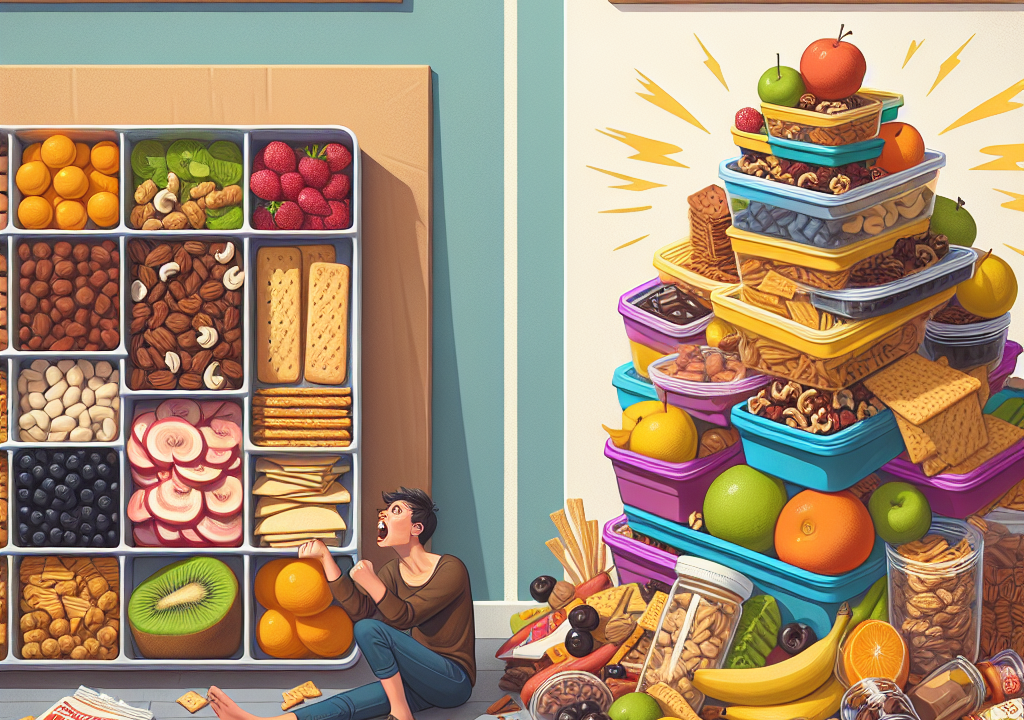
Why Pre-Portioned Snacks Work Better Than Willpower
Unlock the secret to effortless portion control with pre-portioned snacks! Ditch the struggle of relying solely on willpower. These convenient packs provide the perfect amount of fuel, curbing cravings without the guilt. Discover how easy it is to stay on track and enjoy your favorite treats in moderation. Start snacking smarter today!
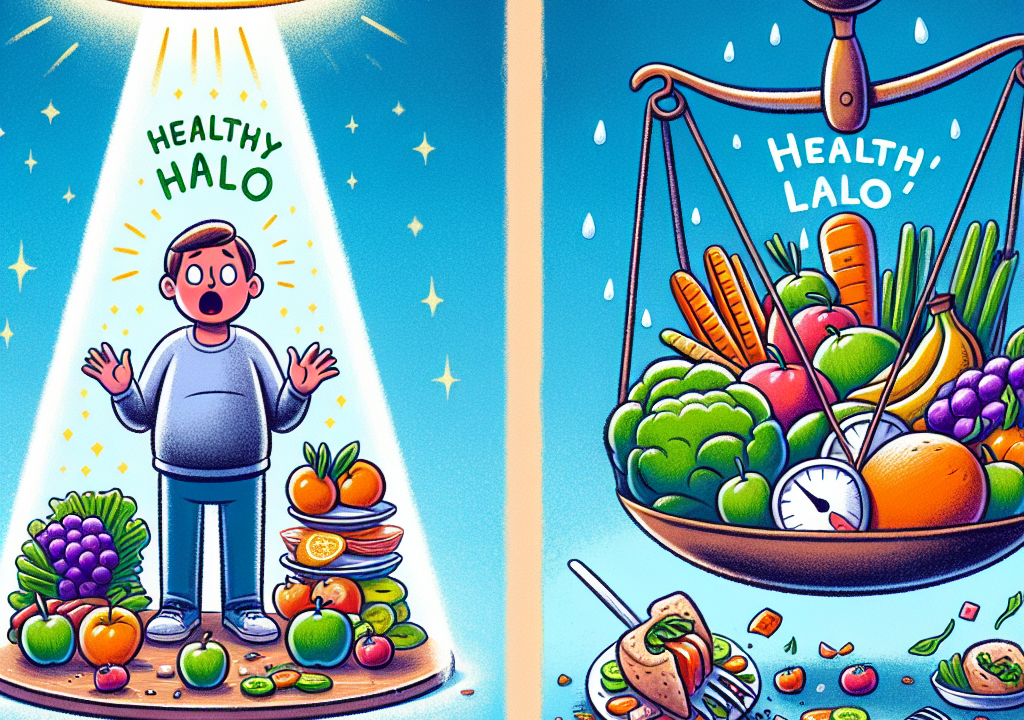
The “Healthy Halo” Effect: How Labels Trick You Into Overeating
Unlock the secret behind the “Healthy Halo” effect that’s making you overeat without realizing it! Discover how cleverly designed labels trick your mind into consuming more than you should. Dive into our blog to learn how to outsmart these marketing strategies and make healthier food choices effortlessly. Start eating smarter today!
