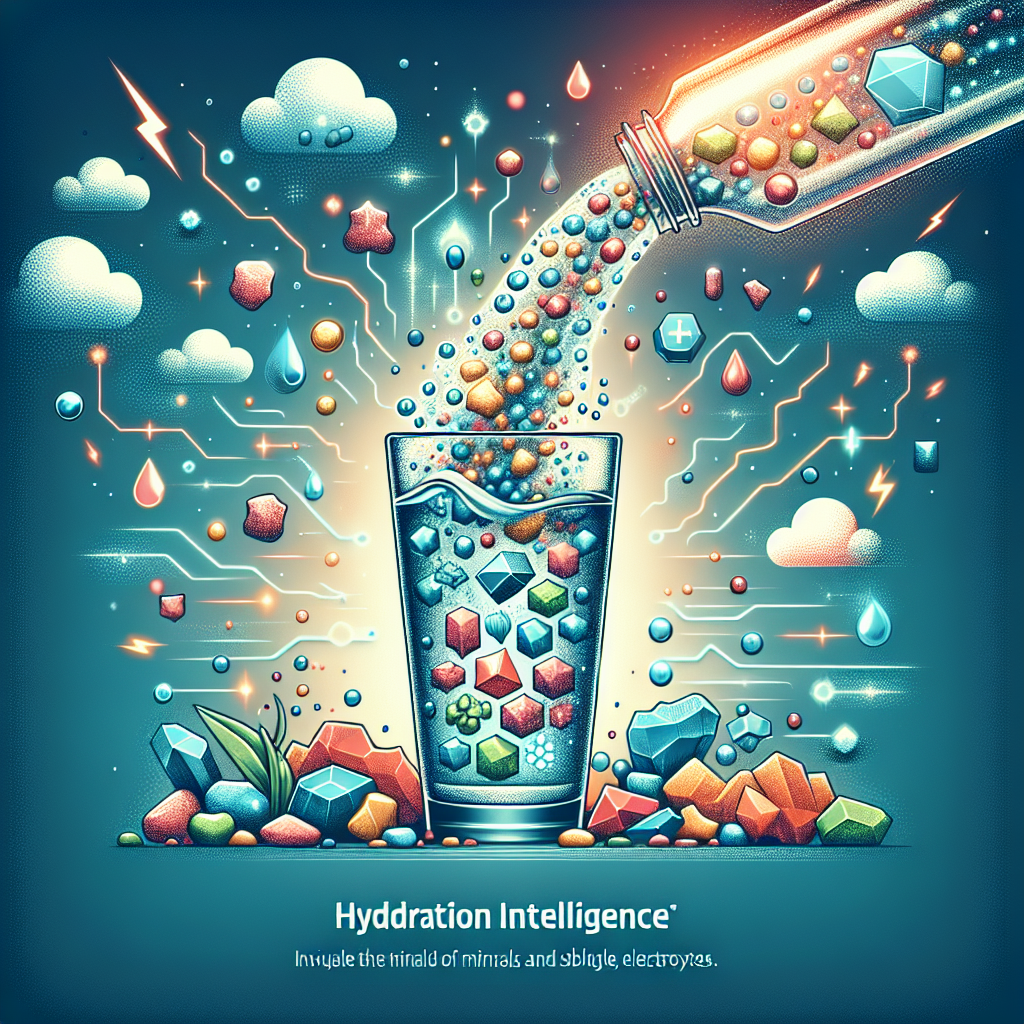
Hydration Intelligence: Why Water Alone Isn’t Enough for True Hydration
Beyond the Glass: What True Hydration Really Means
When thinking about hydration, most people instinctively reach for a glass of water. While drinking water is undeniably important, it isn’t the full picture. If you find yourself feeling sluggish, experiencing muscle cramps, dealing with headaches, or struggling with brain fog despite staying hydrated, your body may be signaling that plain water isn’t enough.
This is where hydration intelligence comes into play — it’s the mindful approach of combining fluids with essential electrolytes and minerals to fully support cellular hydration. Dr. Dana Cohen, integrative medicine expert and co-author of Quench, explains it best: “Water needs a partner — minerals and electrolytes — to actually hydrate the cells.”
Let’s dive into the science of effective hydration and uncover why water alone may fall short.
Why Proper Hydration Is Essential for Optimal Health
Hydration touches every function in the body. From digestion to brain function, mood regulation to energy production, being adequately hydrated supports it all. Research published in Nutrition Reviews highlights that even a minor fluid loss of just 1 to 2 percent can significantly hinder cognitive and physical performance.
However, most people overlook a critical truth: when the body loses fluids through sweat, urination, or even breathing, it also loses an array of vital minerals such as sodium, potassium, magnesium, and calcium. These minerals are known as electrolytes — charged particles necessary for nerve activity, muscle function, and maintaining fluid balance.
Replacing water alone without these minerals can create an imbalance. One serious consequence is hyponatremia — a condition where diluted sodium levels in the blood can lead to symptoms such as nausea, disorientation, and in severe cases, brain swelling.
A relevant example: If you’ve felt dizzy or fatigued after chugging water mid-workout, your body may have been craving sodium rather than just plain hydration. It’s more than just quenching thirst — it’s about maintaining balance.
Electrolytes: The Key Players in Cellular Hydration
Electrolytes are charged minerals that enable your cells to properly absorb water, produce energy, and transmit nerve signals efficiently. Without them, even generous water intake won’t deliver effective hydration.
Let’s take a closer look at the major electrolytes:
– Sodium: Essential for fluid balance and nerve signaling.
– Potassium: Helps control muscle contractions and heartbeat.
– Magnesium: Supports energy metabolism, muscle recovery, and nerve function.
– Calcium: Vital for vascular contraction, muscle movement, and nerve communication.
Electrolytes regulate how water moves across cellular membranes via osmosis. Think of electrolytes as guiding the water into your cells, not just around them. Cardiovascular researcher Dr. James DiNicolantonio emphasizes, “Water alone isn’t enough — you need the minerals that guide it.”
Why Water Alone Isn’t Enough — Especially During High Demand
Contrary to popular belief, drinking excessive amounts of water without electrolyte replenishment could do more harm than good. This is particularly true in moments of increased mineral loss or elevated metabolic demand.
Who should be most mindful?
– Athletes: Sweat doesn’t just contain water — it’s rich in sodium. Intense exercise can lead to sodium losses exceeding 1,000 milligrams per hour.
– Low-Carb Diet Followers: Diets like keto cause a drop in insulin levels, prompting the kidneys to flush out key minerals — a phenomenon commonly referred to as the “keto flu.”
– Chronically Stressed Individuals: Ongoing stress drains vital minerals, particularly magnesium, which is essential for regulating the nervous system.
If you travel often — especially by air — you’ll notice the drying effects of cabin conditions. In this case, preparing a mineral-rich hydration drink using coconut water, a dash of sea salt, and fresh citrus juice can help offset fluid loss and fatigue.
Bottom line: When your body’s workload increases, simply drinking more H2O isn’t enough. Your hydration strategy needs to evolve.
Hydration Intelligence: A New Approach to Daily Hydration
Hydration intelligence is the deliberate act of nourishing your body with both water and the vital electrolytes it needs to function optimally. Here’s how to apply smart hydration to your routine:
1. Choose Electrolyte Supplements
Opt for a high-quality, sugar-free electrolyte blend that offers a balance of sodium, potassium, magnesium, and calcium. Avoid products with artificial additives.
2. Prioritize Whole, Mineral-Dense Foods
Incorporate foods like leafy greens, bananas, avocados, seeds, nuts, and bone broth into your meals. Coconut water is an especially good natural choice for post-exercise recovery.
3. Add Salt to Your Water
A small pinch of Himalayan pink salt in your morning water can help stabilize electrolyte levels and support adrenal health without causing excess water retention.
4. Recognize and Respond to Dehydration Signals
Pay attention to signs such as muscle soreness, dry mouth, fatigue, or even salt cravings — all are indicators of potential mineral depletion. Adjust your intake accordingly.
Customizing Your Hydration Strategy by Lifestyle
Hydration practices should resonate with your daily routine and environment. Here’s how to hydrate smartly based on your lifestyle:
– Athletes: Recovery is as important as your workout. Replenish lost minerals with a high-sodium electrolyte blend post-exercise.
– Desk Workers: Office air conditioning and caffeine consumption can dehydrate. Add a small amount of sea salt to your mid-morning water or use mineral-infused beverages to stay focused.
– Frequent Travelers: Dehydration occurs faster at high altitudes. Steer clear of alcohol, keep electrolyte tablets in your travel kit, and sip water mixed with essential minerals during flights.
– Natural Wellness Seekers: Prefer chemical-free options? Make your own hydration elixir using lemon juice, sea salt, and filtered water or enjoy a cup of nourishing broth.
Smarter Hydration, Better Health
Hydration intelligence is not a trend; it’s a science-based approach to health and self-care. By incorporating minerals and electrolytes with your hydration practices, you can improve everything from mental clarity and metabolism to blood circulation and immune support.
Stanford neuroscientist Dr. Andrew Huberman agrees: “Hydration with electrolytes is essential for optimal nerve communication, mood regulation, and performance.”
Next time you refill your water bottle, pause and ask yourself — are you just drinking water, or are you hydrating intelligently?
Water offers the foundation, but electrolytes are the activators. Prioritize both, and your body will function more efficiently — from mind to muscle.
Start Your Smarter Hydration Journey Today
Getting started is simple:
– Incorporate sugar-free electrolyte supplements.
– Eat whole, mineral-rich foods.
– Listen closely to your body’s hydration cues.
– Adjust your approach based on your unique lifestyle demands.
Explore a wide range of wellness hydration products on edrugstore.com to support your goals. Because your body deserves more than just water — it deserves intelligent hydration.
References:
1. Popkin, Barry M., et al. “Water, Hydration, and Health.” Nutrition Reviews, vol. 68, no. 8, 2010, pp. 439–458. https://doi.org/10.1111/j.1753-4887.2010.00304.x
2. Sawka, M.N., et al. “Exercise and Fluid Replacement.” American College of Sports Medicine Position Stand, 2007. https://doi.org/10.1249/mss.0b013e318064b531
3. Cohen, Dana, and Gina Bria. Quench: Beat Fatigue, Drop Weight, and Heal Your Body Through the New Science of Optimum Hydration. Hachette, 2018.
4. DiNicolantonio, James. The Salt Fix. Harmony Books, 2017.
5. Huberman, Andrew. Huberman Lab Podcast. Episode 64: “Science of Hydration & Salt for Health, Exercise & Performance”, 2022.
Related posts

How Strategic Cheat Meals Can Jumpstart Progress When Weight Loss Plateaus Threaten Your Motivation
Unlock the secret to overcoming weight loss plateaus with strategic cheat meals! Discover how indulging mindfully can reignite your motivation and boost your progress. Learn to transform those guilty pleasures into powerful tools that keep you on track and excited about your journey. Embrace balance, satisfaction, and success like never before!
Unlocking the Weekend Eating Paradox: Why Cheat Meals Can Boost Fat Loss Without Derailing Your Diet
Struggling to stick to your diet over the weekend? Discover the secret to enjoying guilt-free cheat meals while accelerating fat loss! “Unlocking the Weekend Eating Paradox” reveals how strategic indulgences can revitalize your metabolism and amplify results without derailing your progress. Ready to transform your weekends into a powerful weight-loss ally? Dive in now!
