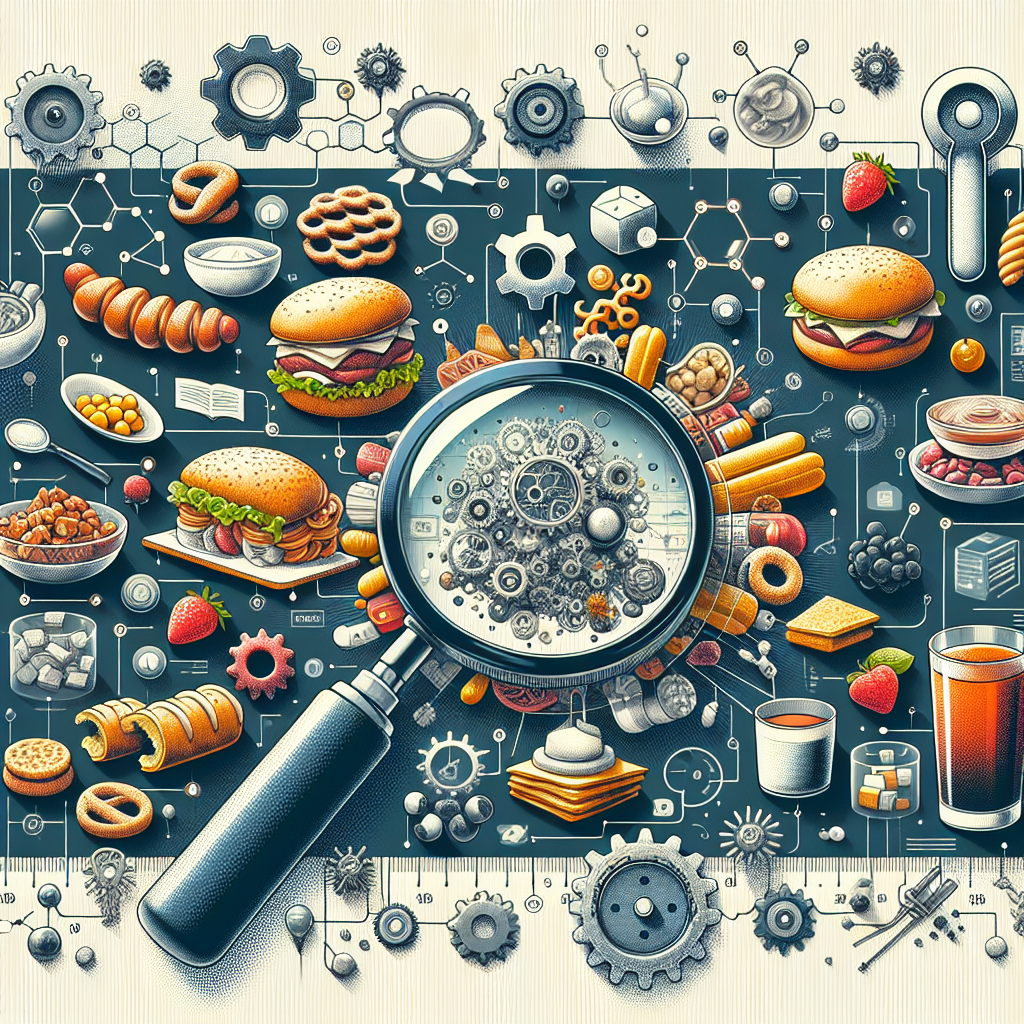
The Hidden Science Behind Crave-Worthy Foods
Have you ever opened a bag of chips intending to have just a handful—only to realize minutes later you’ve eaten the whole thing? Or reached for one piece of chocolate and somehow devoured the entire bar? You’re not alone—and it’s not just a lack of willpower.
This response is often the result of a calculated process known as hyper-palatable food engineering. By blending food science, psychology, and marketing, these foods are created to trigger your cravings and keep you coming back for more. A 2019 study published in the journal Obesity found that over 60 percent of the calories consumed in the United States come from these ultra-processed, hyper-palatable foods—a major contributor to the nation’s ongoing health concerns.
Let’s explore what hyper-palatable foods are, why they’re so addicting, and how you can regain control of your eating habits.
What Exactly Are Hyper-Palatable Foods?
Hyper-palatable foods aren’t just flavorful—they’re engineered to be nearly impossible to resist. These items are designed with a potent mix of fat, sugar, salt, and chemical additives that target your brain’s reward system.
Unlike whole foods such as bananas or plain potatoes, which have simple and natural flavors, hyper-palatable foods are strategically developed to overwhelm your senses, often leading to food addiction-like symptoms.
Dr. Ashley Gearhardt, a psychology professor at the University of Michigan, explains: “Hyper-palatable foods can activate the brain’s reward system in the same way addictive substances like nicotine or alcohol do—leading to repeated use and dependency.”
According to the 2019 Obesity study, a food is considered hyper-palatable when it exceeds certain key thresholds. For instance:
– A snack containing over 25% of its calories from fat and more than 0.3% sodium by weight
– A dessert with more than 20% sugar along with high levels of saturated fat
Common sources include frozen pizzas, fast-food sandwiches, flavored cereals, and buttery microwave popcorn.
The Biology of Cravings
At the core of hyper-palatable food engineering is your brain’s evolutionary design. Early humans were wired to seek calorie-dense foods to survive harsh environments. Today, this once-beneficial instinct is being exploited by modern food manufacturers.
When you eat foods high in fat and sugar, your brain releases a surge of dopamine—the chemical responsible for pleasure and motivation. Over time, this builds a habit loop: the more you eat, the more your brain craves that sensation.
“It’s a supernormal stimulus,” says Dr. Nicole Avena, a neuroscientist who studies food addiction. “Your brain lights up with these foods just like it would with drugs such as cocaine.”
This explains why processed snacks are so much harder to stop eating than natural foods like apples or unsalted rice.
The Food Industry’s Role in Your Cravings
There’s nothing accidental about how tasty and addictive these foods are.
Large food corporations invest heavily in developing hyper-palatable products that are difficult to resist. Food scientists, psychologists, and even mathematicians collaborate to fine-tune every aspect—from flavor and color to texture and aroma.
One common strategy is reducing sensory-specific satiety. This means designing foods with just enough variation in flavor and consistency so you don’t get bored, encouraging you to keep eating.
Examples include:
– The crunch of potato chips, engineered to produce a specific sound associated with freshness and satisfaction
– Chocolate candies created with “vanishing caloric density,” melting quickly in your mouth so it feels like you’re not consuming much—despite a high calorie count
These manufactured items dominate supermarket shelves and fast-food menus. According to the CDC, around 70 percent of packaged foods in the United States are high in sodium, added sugar, or unhealthy fats.
Consider this: a single serving of flavored instant ramen can contain more than 1,500 milligrams of sodium—over half the FDA’s recommended daily intake.
Why “Everything in Moderation” Doesn’t Work
You’ve likely been told to “just eat less” or to enjoy junk food in moderation. But for hyper-palatable foods, that advice often sets you up for failure.
These foods tap into the same neurological pathways as addictions to substances like alcohol or nicotine. Telling someone with a dependency to “just use less” rarely works—and the same goes for hyper-palatable food addiction.
Yale University’s Rudd Center for Food Policy found that regular consumption of sugary, salty, and fatty foods can deeply alter the brain’s impulse control centers. This can transform occasional indulgence into compulsive eating behavior.
That’s why ending up with an empty bag of cookies can feel almost inevitable once you’ve had the first bite.
As Dr. Nora Volkow, Director of the National Institute on Drug Abuse, puts it, “Highly palatable foods trigger the brain’s reward centers like recreational drugs do—helping explain why people can lose control over their eating habits.”
How to Break Free from the Hyper-Palatable Loop
The first and most important step to regaining control is awareness. Once you see how your biology and surroundings are being influenced, you can start making more mindful choices.
Here are four effective strategies to help curb your dependence on hyper-palatable foods:
1. Prioritize Whole Foods
Base your meals around unprocessed options like leafy greens, fresh fruits, brown rice, and lean meats. These choices offer vital nutrients and satisfaction—without the addictive additives.
2. Become a Label Detective
Get familiar with ingredient lists and nutrition facts. Watch for hidden sugars (like maltodextrin), high sodium levels, and additives such as MSG. Use tools like barcode scanning apps or nutrition trackers to support your efforts.
3. Prep for Success
Cravings often hit when you’re busy or extremely hungry. By planning your meals and snacks ahead of time, you reduce the temptation to grab convenience or fast food.
4. Practice Mindful Eating
Slow down while eating and truly savor your food. Research from Harvard suggests that practicing mindfulness during meals can reduce binge eating episodes by as much as 36 percent.
Need extra help managing compulsive eating and cravings linked to medications or lifestyle factors? Visit edrugstore.com to learn more about medical support options that can aid appetite control and emotional triggers.
The Power of Knowledge: Taking Back Control
Hyper-palatable foods are more than just guilty pleasures—they’re carefully designed to override your decision-making and activate your brain’s reward circuitry.
But now that you understand how they work, you have the upper hand.
Reclaiming control over your eating isn’t about eliminating all indulgence. It’s about gaining clarity, recognizing the influence behind your cravings, and making choices that support your long-term health.
So next time cravings strike, remember—it’s not a lack of discipline. It’s your brain’s wiring in action. And now, you’re empowered to respond differently.
References
– Fazzino TL, Rohde K, Sullivan DK. (2019). Hyper-palatable foods: Development of a quantitative definition and application to the US food system database. Obesity, 27(11), 1761–1768.
– Gearhardt AN, Yokum S, Orr PT, et al. (2011). Neural correlates of food addiction. Archives of General Psychiatry, 68(8), 808–816.
– Volkow ND, Wang G, Fowler JS, et al. (2012). Addiction: Decreased reward sensitivity and increased expectation sensitivity conspire to overwhelm the brain’s control circuit. BioEssays, 34(11), 944–950.
– Harvard Health Publishing. (2020). Mindful eating for a healthier diet. Harvard Medical School.
– CDC. (2021). Sodium and processed food: Fact Sheet. Centers for Disease Control and Prevention.
– edrugstore.com. Appetite Control & Medical Weight Loss Support. https://www.edrugstore.com/obesity-appetite-control
Related posts
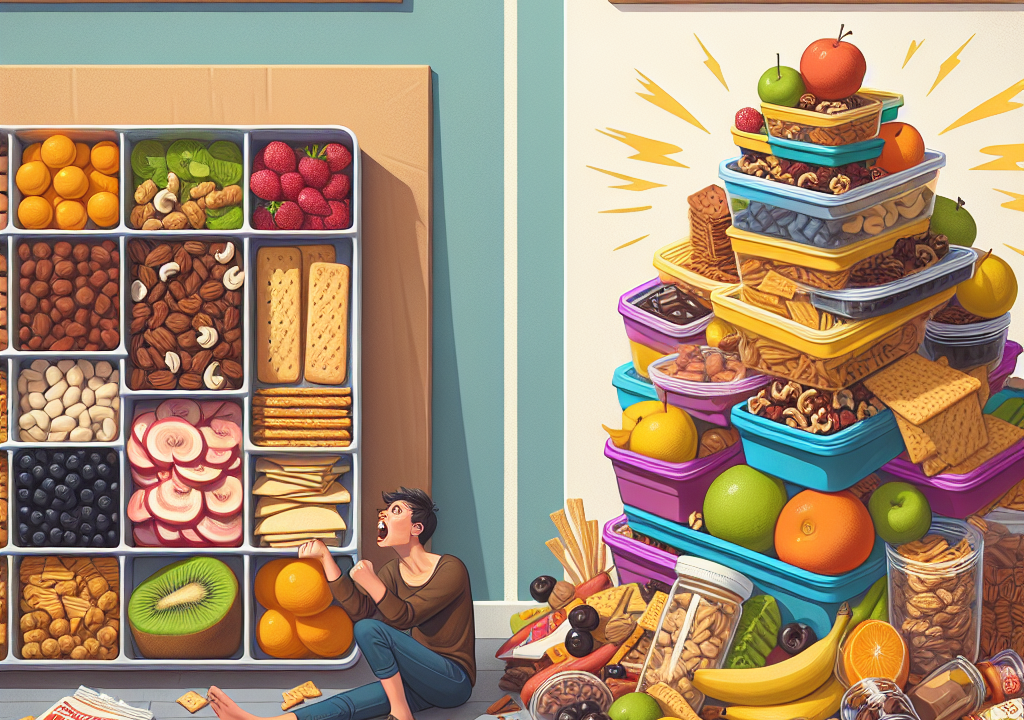
Why Pre-Portioned Snacks Work Better Than Willpower
Unlock the secret to effortless portion control with pre-portioned snacks! Ditch the struggle of relying solely on willpower. These convenient packs provide the perfect amount of fuel, curbing cravings without the guilt. Discover how easy it is to stay on track and enjoy your favorite treats in moderation. Start snacking smarter today!
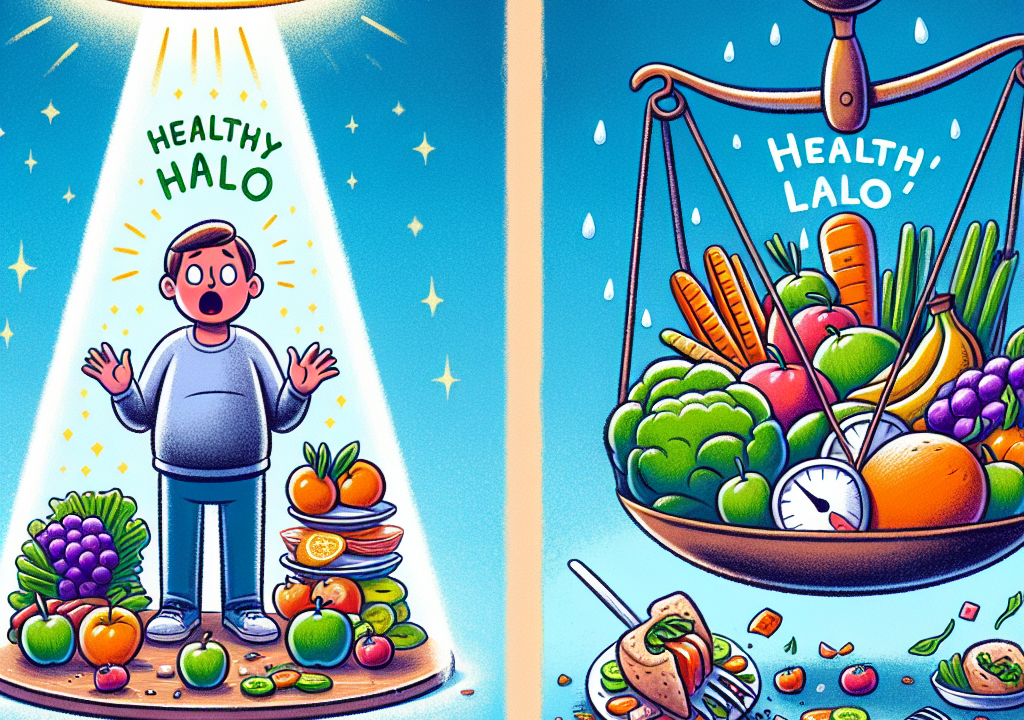
The “Healthy Halo” Effect: How Labels Trick You Into Overeating
Unlock the secret behind the “Healthy Halo” effect that’s making you overeat without realizing it! Discover how cleverly designed labels trick your mind into consuming more than you should. Dive into our blog to learn how to outsmart these marketing strategies and make healthier food choices effortlessly. Start eating smarter today!
