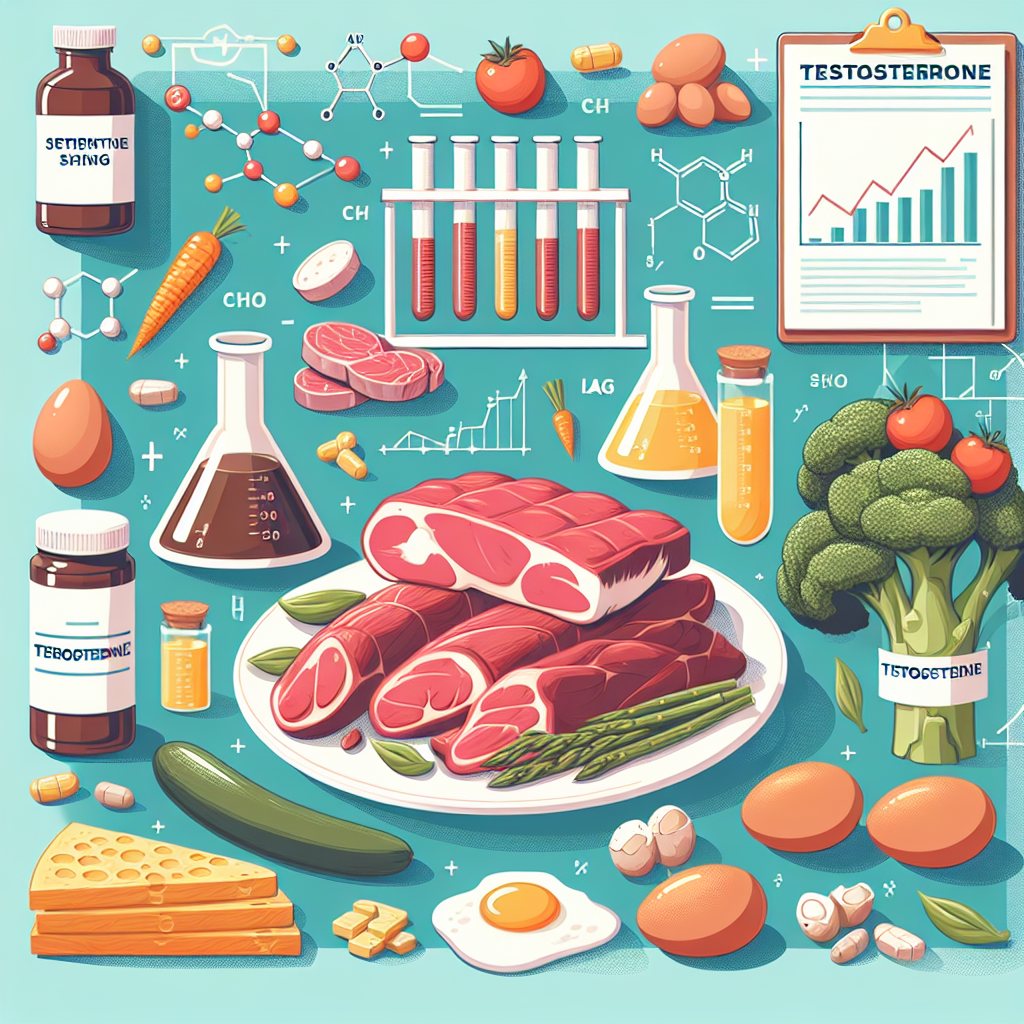
The Truth About Testosterone and Why It Matters
Testosterone is a crucial hormone that significantly influences a man’s strength, cognitive clarity, energy levels, libido, and overall health. However, beginning around age 30, a man’s testosterone levels may gradually decline by approximately 1% each year (Harvard Health, 2020). This dip can be accelerated by daily factors such as stress, insufficient sleep, sedentary routines, and—in particular—subpar nutrition.
Although Testosterone Replacement Therapy (TRT) is increasingly popular, many men are now turning to natural strategies. The encouraging news? Scientific research confirms that certain whole foods can actively support and stimulate your body’s natural testosterone production—safely and effectively.
This comprehensive article explores the top research-backed foods that can help increase testosterone levels naturally—starting with your next meal.
How Nutrition Impacts Hormonal Balance
To understand how food affects testosterone, it helps to know that this hormone is synthesized from cholesterol and requires nutritional cofactors such as vitamin D, zinc, and magnesium for proper function. A deficiency in these nutrients can hinder testosterone production and cause hormonal imbalances.
“Optimal testosterone production depends heavily on adequate intake of healthy fats and micronutrients,” says Dr. Edward Group, founder of the Global Healing Center. “Without these essentials, the body struggles to maintain healthy testosterone levels.”
In addition to boosting hormone synthesis, certain foods aid liver detoxification and reduce inflammation—two vital processes that help keep testosterone levels optimal and estrogen in check.
The Top Testosterone-Boosting Foods Backed by Science
1. Eggs – Nature’s Hormonal Catalyst
Eggs, particularly the yolks, contain cholesterol, which serves as the building block for testosterone. They are also rich in vitamin D, a nutrient strongly linked to higher testosterone levels.
Scientific Insight:
A study published in Hormone and Metabolic Research (2011) found that overweight men who supplemented with 3,332 IU of vitamin D daily for one year experienced a 20% increase in free testosterone.
Nutrition Tip:
Include one to two whole eggs daily in your breakfast or lunch. Unless advised otherwise by a healthcare provider, don’t skip the yolk—it contains vital nutrients like choline that support liver health and hormonal balance.
2. Avocados – A Source of Healthy Fats and Vitamin E
Avocados are loaded with monounsaturated fats and vitamin E—two powerhouse nutrients essential for testosterone production and overall hormonal health.
Scientific Insight:
The Journal of Clinical Endocrinology & Metabolism reports that men on low-fat diets experience significant declines in testosterone. Conversely, consuming healthy fats helps maintain optimal hormone levels.
Nutrition Tip:
Add half an avocado to morning toast, mix it into a smoothie, or enjoy as a salad topping.
Expert Insight:
“Men require dietary fats for proper hormone production—fat is not the enemy,” says Dr. Mark Hyman, a leading advocate in functional medicine.
3. Cruciferous Vegetables – Natural Estrogen Regulators
Vegetables like broccoli, kale, cauliflower, and Brussels sprouts contain indole-3-carbinol (I3C), which promotes the metabolism of excess estrogen. This in turn helps preserve a more balanced testosterone-to-estrogen ratio in men.
Scientific Insight:
A 2001 study in Nutrition and Cancer supported that I3C supplementation lowered estrogen levels in men, indirectly supporting increased testosterone dominance.
Nutrition Tip:
Aim to include at least one serving of cruciferous vegetables daily—either steamed, roasted, or sautéed.
Try This:
Roast Brussels sprouts with olive oil, sea salt, and garlic for an easy, hormone-friendly side dish.
4. Grass-Fed Beef – A Dual Source of Zinc and Saturated Fat
Grass-fed beef is loaded with bioavailable zinc and healthy saturated fats—both essential for testosterone synthesis.
Scientific Insight:
According to the journal Nutrition (1996), men with restricted zinc intake saw substantial declines in testosterone. Replenishing zinc levels in previously deficient males boosted testosterone by as much as 85%.
Nutrition Tip:
Consume 4—6 ounces of lean, grass-fed beef one to two times per week. Pair with broccoli or kale to maximize hormonal benefits.
Additional Resources:
Explore natural and prescription testosterone support options at edrugstore.com if you’re experiencing low testosterone symptoms like fatigue, low libido, or mental fog.
5. Pomegranate – Antioxidant Power for Hormonal Health
Pomegranates aren’t just rich in antioxidants—they can also help elevate testosterone and reduce cortisol, the stress hormone that suppresses it.
Scientific Insight:
A 2012 study in the Nutrition Journal found that men who consumed pomegranate juice for just two weeks experienced a 24% increase in average testosterone levels along with improved mood and blood pressure.
Nutrition Tip:
Drink 4–6 ounces of unsweetened pomegranate juice up to three times weekly, or sprinkle the seeds over yogurt or oatmeal.
Real-World Tip:
Top Greek yogurt with pomegranate seeds and walnuts for a delicious, testosterone-friendly snack.
6. Oysters – The Ultimate Zinc Source
Oysters stand out as the richest natural source of zinc, a mineral needed for testosterone and sperm production.
Scientific Insight:
A study in the American Journal of Clinical Nutrition (2009) revealed that even a mild zinc deficiency can reduce testosterone, while restoring zinc levels quickly reverses the decline.
Nutrition Tip:
Enjoy three to six oysters weekly for optimal benefit. For a shellfish-free option, try pumpkin seeds or grass-fed beef for comparable zinc content.
Quick Fact:
Just two medium oysters provide more than 300% of your daily zinc needs.
7. Ginger – An Ancient Remedy With Modern Benefits
Known for its anti-inflammatory properties, ginger also stimulates testosterone production by increasing levels of luteinizing hormone (LH), which signals the testes to produce testosterone.
Scientific Insight:
The Tikrit Medical Journal (2012) reported that infertile men who consumed ginger supplements for 90 days noticed up to a 17% increase in testosterone levels.
Nutrition Tip:
Grate fresh ginger into stir-fries, steep it in tea, or include it in smoothies. Consider ginger supplements for higher doses—after consulting a healthcare provider.
Sample Meal Plan for Testosterone Support
Here’s a one-day sample meal plan to help naturally optimize your testosterone levels using the foods discussed above:
– Breakfast: 2 pasture-raised eggs sautéed with spinach and avocado, cooked in olive oil
– Lunch: Grass-fed beef salad with broccoli, arugula, and lemon–olive oil vinaigrette
– Afternoon Snack: Full-fat Greek yogurt with pumpkin seeds and pomegranate seeds
– Dinner: Grilled salmon paired with roasted Brussels sprouts and a side of quinoa
– Bonus Drink: Herbal tea with sliced fresh ginger or 4 oz of pomegranate juice
Conclusion: Let Your Food Speak To Your Hormones
You don’t need synthetic intervention to begin supporting your testosterone levels. The solution can often be found in simple, nutrient-rich foods.
Incorporating ingredients like egg yolks, leafy greens, shellfish, avocados, and antioxidant-rich fruits has been shown through clinical research to effectively raise testosterone levels naturally and safely.
As Dr. Amy Shah, a certified hormone expert, highlights: “Your food is your body’s chemical messenger. What you eat tells your body how to produce and regulate hormones.”
Support your body’s hormonal balance by eating strategically, staying physically active, sleeping well, and managing stress. Start by incorporating just one of these hormone-friendly foods into your routine this week—your body and mind will thank you.
Want to go further? Get more insights on testosterone levels, symptoms of hormonal imbalance, and available treatments at edrugstore.com.
References
– Pilz, S., Frisch, S., Koertke, H., et al. (2011). Effect of vitamin D supplementation on testosterone levels in men. Hormone and Metabolic Research.
– Wang, C., Swerdloff, R. S., Iranmanesh, A., et al. (2000). Transdermal testosterone gel improves sexual function, mood, muscle strength, and body composition. The Journal of Clinical Endocrinology and Metabolism.
– Thomas, B., Bishop, N. C., & Jones, E. (2012). Effects of pomegranate juice consumption on testosterone levels. Nutrition Journal.
– Prasad, A. S., Mantzoros, C. S., Beck, F. W. J., et al. (1996). Zinc status and serum testosterone in adult men. American Journal of Clinical Nutrition.
– Al-Daraji, H. A. (2012). Effect of ginger supplementation on testosterone and LH levels in infertile men. Tikrit Medical Journal.
Related posts

How Strategic Cheat Meals Can Jumpstart Progress When Weight Loss Plateaus Threaten Your Motivation
Unlock the secret to overcoming weight loss plateaus with strategic cheat meals! Discover how indulging mindfully can reignite your motivation and boost your progress. Learn to transform those guilty pleasures into powerful tools that keep you on track and excited about your journey. Embrace balance, satisfaction, and success like never before!

Unlocking the Weekend Eating Paradox: Why Cheat Meals Can Boost Fat Loss Without Derailing Your Diet
Struggling to stick to your diet over the weekend? Discover the secret to enjoying guilt-free cheat meals while accelerating fat loss! “Unlocking the Weekend Eating Paradox” reveals how strategic indulgences can revitalize your metabolism and amplify results without derailing your progress. Ready to transform your weekends into a powerful weight-loss ally? Dive in now!
