
Plant-Based Living: A New Approach to Senior Health and Longevity
As America’s senior population steadily increases—expected to surpass 80 million by 2040—health professionals are shifting focus from pharmaceuticals to lifestyle-driven wellness. At the forefront of this movement is a plant-based diet designed specifically for seniors. This approach centers on nutrient-dense, fiber-rich foods like fruits, vegetables, whole grains, legumes, nuts, and seeds.
More than just a healthy eating trend, this lifestyle change has been shown to help prevent up to 80% of chronic conditions affecting older adults, including heart disease and Type 2 diabetes, according to the American College of Lifestyle Medicine. By embracing plant-based nutrition, seniors are reporting improved energy, mental clarity, and even the reversal of certain age-related health declines.
Let’s examine how a plant-focused diet is helping people redefine what healthy aging looks like.
Rethinking Aging: Why Nutrition Matters More Than Ever
For decades, aging was viewed as an inevitable decline marked by chronic illnesses, decreased mobility, and reliance on multiple medications. However, contemporary research reveals that how we age is significantly influenced by how we eat.
According to Dr. Michael Greger, physician and author of How Not to Die, a whole-food, plant-based diet can slow aging by reducing inflammation and oxidative stress at the cellular level.
In contrast, the Standard American Diet, which is rich in red meat, processed foods, and refined sugars, has been directly linked to widespread chronic conditions such as:
– Heart disease, the leading cause of death among those 65 and older
– Alzheimer’s and cognitive decline
– Type 2 diabetes and obesity
– Arthritis and inflammation-related diseases
Plant-based diets, rich in antioxidants, vitamins, and fiber, support immune health, improve cardiovascular function, and nourish the body at a molecular level.
Top Health Benefits of a Plant-Based Lifestyle After 60
More seniors are adopting plant-based or vegan-inspired diets for both their health and the environment. Here’s how this shift in eating habits is yielding real, measurable benefits for older adults:
Improved Heart Health
Cardiovascular disease accounts for one in four deaths among seniors. However, a study published by the Journal of the American Heart Association found that a plant-based diet can reduce heart disease risk by up to 32 percent.
Replacing high-cholesterol breakfasts like bacon and eggs with fiber-rich options like steel-cut oats, berries, and walnuts can significantly lower LDL cholesterol and improve arterial health.
Better Blood Sugar Control and Type 2 Diabetes Reversal
Clinical studies by the Physicians Committee for Responsible Medicine found that nearly 60 percent of participants who adopted a whole-food, plant-based diet were able to reduce or eliminate their diabetes medications within a few months.
Nutrient-dense, fiber-rich foods like legumes and whole grains help stabilize blood sugar and improve insulin sensitivity naturally. According to Dr. Neal Barnard, plant-based foods can effectively reverse Type 2 diabetes even in older adults.
Stronger Joints and Muscles
Anti-inflammatory foods such as berries, dark leafy greens, lentils, and turmeric provide natural relief from joint stiffness and inflammation. As protein becomes especially important with age, legumes and whole grains offer excellent plant-based sources to help maintain lean muscle mass essential for balance and stability.
Substituting red meat with lentil soup or bean chili can support joint health and reduce inflammation.
Enhanced Cognitive Function
Over six million Americans above age 65 are currently living with Alzheimer’s disease. However, studies have shown that diets rich in leafy greens, berries, walnuts, and whole grains—foods emphasized in the MIND diet—can reduce the risk of Alzheimer’s by up to 53 percent.
One notable finding from Rush University reveals that seniors who consumed one to two servings of green, leafy vegetables daily had the cognitive function of individuals 11 years younger.
Healthy Weight Management and Digestive Wellness
A slowing metabolism can make weight gain a common concern for seniors. Plant-based meals are typically lower in calories while being higher in fiber, helping promote long-lasting satiety and improved digestion.
High-fiber foods also enhance gut microbiome diversity, supporting immunity and better nutrient absorption. Snack swaps, such as replacing chips with apple slices and almond butter, can also aid digestion and help control cravings.
Inspiring Testimonials: Plant-Based Success Stories
Across the nation and the globe, seniors are experiencing the transformative power of plant-focused diets:
– John, 74, from Oregon, reversed his high blood pressure and now enjoys daily hikes thanks to a plant-based lifestyle.
– Maria, 68, from Texas, eliminated prediabetes symptoms, lost 30 pounds, and now shares her passion by teaching healthy cooking classes.
These are not isolated successes. The Blue Zones study, which examined the world’s longest-living populations—from Okinawa to Loma Linda—found that a common feature among them all was a diet rich in plant-based foods and low in animal fat.
Making the Transition to a Plant-Based Diet in Your Golden Years
If switching to this way of eating feels overwhelming, start small. A gradual shift can lead to lasting, powerful changes.
Practical tips for transitioning include:
– Start with one entirely plant-based meal per day—breakfast is an easy place to begin with options like avocado toast or fruit smoothies.
– Use natural flavor enhancers such as herbs, lemon, balsamic vinegar, and spices to make meals exciting and flavorful.
– Stock your pantry with essentials including oats, canned beans, frozen vegetables, whole grains, and plant-based milks.
– Join a support group—whether in person at local centers or online—for recipes, accountability, and encouragement.
– Seek guidance from a Registered Dietitian who specializes in senior plant-based nutrition to ensure your intake of key nutrients like vitamin B12, calcium, and protein remains optimal.
Choose Longevity Through Better Eating
What we eat has a profound effect on how we feel and how we age. For seniors, embracing plant-based nutrition offers an empowering path toward improved energy levels, fewer medications, and a higher quality of life.
Dr. Dean Ornish, founder of the Preventive Medicine Research Institute, encapsulates the philosophy perfectly: “It’s not about living longer—it’s about living better.”
Whether you are in your 60s, 70s, or beyond, even small changes—like adding more greens, legumes, or plant-based meals—can lead to meaningful health improvements.
Start Your Plant-Powered Journey Today
Thousands of seniors have already discovered the benefits of this lifestyle. With curiosity, commitment, and a few new recipes, you too can redefine aging.
Your journey to better health begins with what’s on your plate. It’s never too late to feel great, so why not start today?
Share Your Experience
Have you experienced better health after adopting a plant-based diet in your 60s or older? Share your story and inspire others to make a positive change.
Related posts

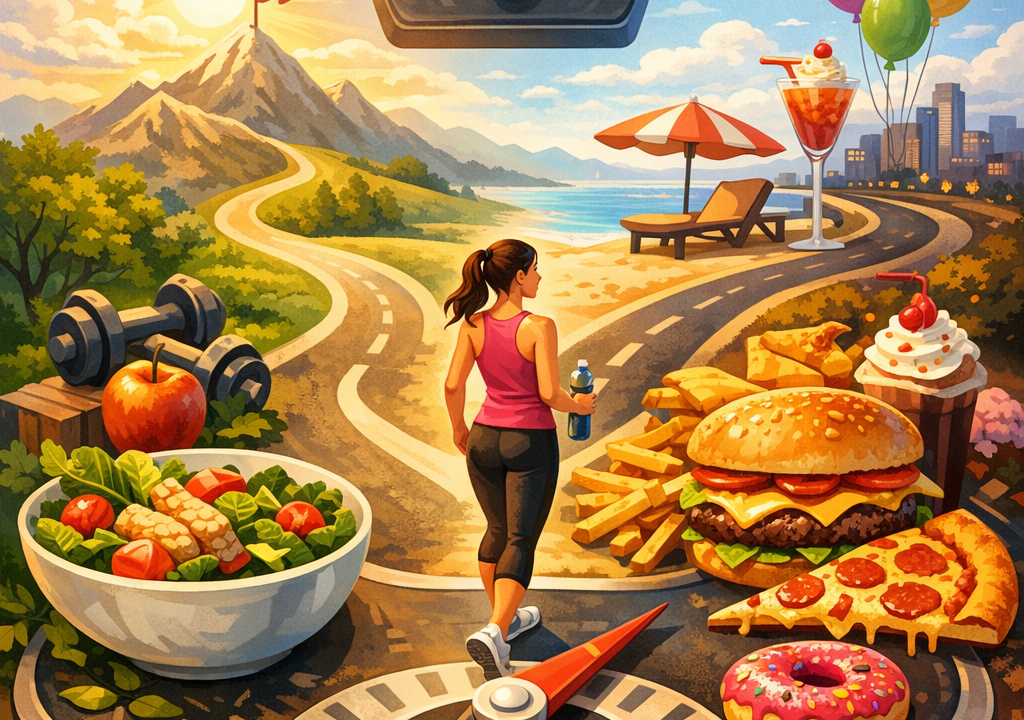
Navigating Weekend Overindulgence: How Cheat Meals Impact Progress and Strategies for Sustainable Balance
Struggling with weekend overindulgence? Dive into our latest post, “Navigating Weekend Overindulgence: How Cheat Meals Impact Progress and Strategies for Sustainable Balance.” Discover how cheat meals can be a double-edged sword and learn expert strategies to enjoy indulgences guilt-free, while maintaining your health goals. Unlock the secrets to a balanced lifestyle today!
Navigating Cheat Meals: How Strategic Indulgences Can Help Overcome Weekend Weight Loss Plateaus
Unlock the secret to overcoming weekend weight loss plateaus with strategic indulgences! Discover how navigating cheat meals can boost your metabolism and keep you on track. Learn the art of mindful indulgence that satisfies cravings without derailing your progress. Ready to transform your weekends and hit your goals? Dive in now!
