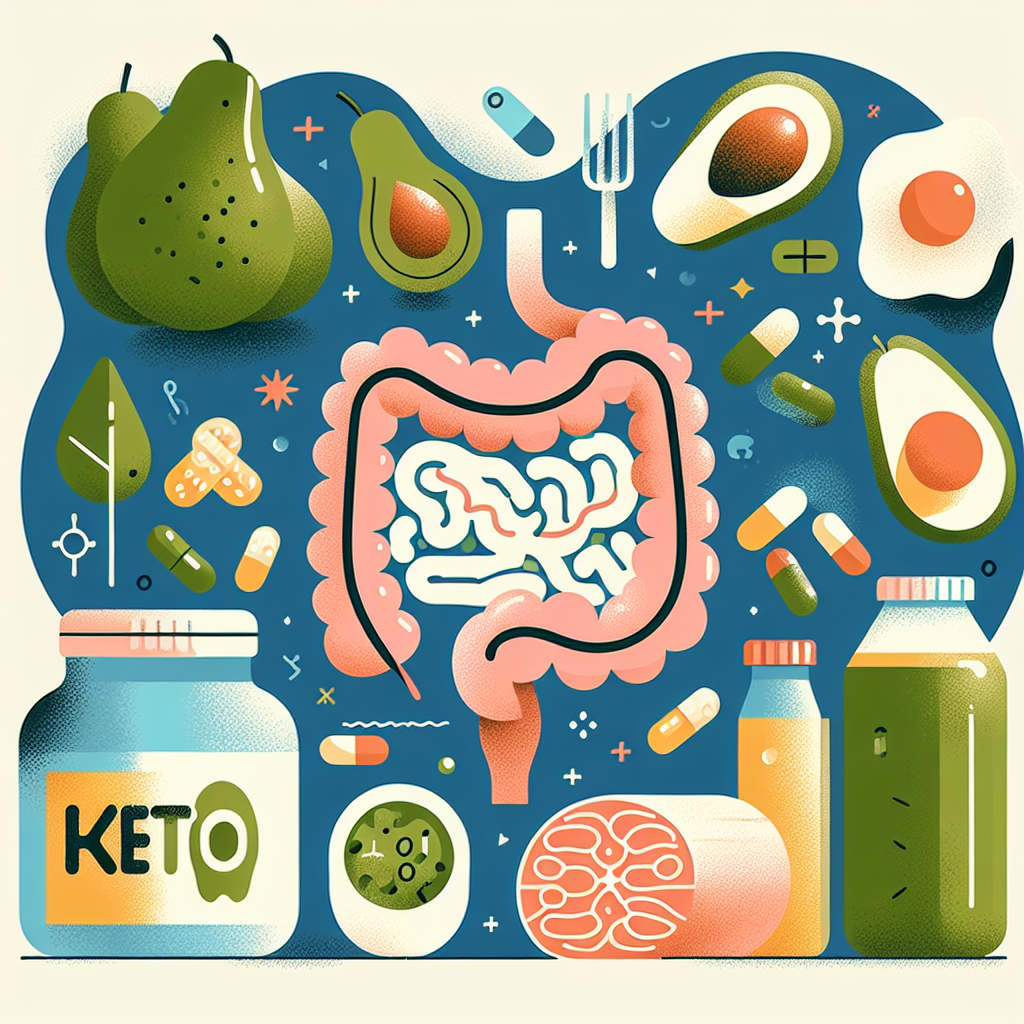
The Keto Gut Connection: How to Support Your Microbiome on a High-Fat Diet
The ketogenic diet has gained remarkable popularity for its ability to promote weight loss, boost energy, and enhance mental clarity. By significantly reducing carbohydrates and focusing on healthy fats, the diet helps your body enter ketosis—a state where fat becomes the primary energy source.
However, there’s another crucial element to consider for long-term health: your gut.
Many people overlook how a high-fat, low-carb diet affects the gut microbiome. A balanced and diverse gut flora is essential for overall health and makes the ketogenic lifestyle more sustainable over time.
Let’s explore how keto influences your digestive health—and how you can cultivate a thriving gut while maintaining your fat-burning goals.
Understanding the Importance of Gut Microbiome Health
Your gut is home to trillions of microorganisms—bacteria, fungi, viruses, and more—collectively called the microbiome. This internal ecosystem plays a critical role in many aspects of wellness, including:
– Efficient digestion and nutrient absorption
– A strong immune response
– Lower systemic inflammation
– Improved mood and mental health
According to Johns Hopkins Medicine, approximately 70% of your immune system resides in your gut. Even minor dietary changes can alter your gut flora in under 24 hours, making it essential to understand how keto can impact this delicate balance.
How the Keto Diet Affects Gut Health: Benefits and Considerations
A standard keto diet typically consists of 70–80% fat, 10–20% protein, and 5–10% carbohydrates. This drastic shift in macronutrients can significantly influence your microbiome.
Positive Effects on the Gut
– Reduced sugar intake on keto slows the growth of harmful microorganisms like Candida albicans, a yeast linked to fatigue, bloating, and mental cloudiness (Brown et al., 2019).
– Healthy fats, especially omega-3s found in foods like salmon, chia seeds, and flaxseed oil, support anti-inflammatory activity and help maintain the gut lining.
Challenges to Gut Health on Keto
– A low fiber keto diet may limit the prebiotic foods that nourish beneficial gut bacteria such as Bifidobacteria and Lactobacillus (Slavin, 2013).
– Some research links very low-carb diets to a decrease in the diversity of intestinal bacteria, which can negatively impact metabolism and immune health.
– The initial phase of keto, often called “keto flu,” can trigger digestive discomfort such as constipation and bloating due to shifts in hydration and electrolyte levels.
Fortunately, supporting your gut doesn’t mean you have to abandon ketosis. With a few dietary adjustments, both goals can work together seamlessly.
How to Support a Healthy Gut While Staying in Ketosis
Balancing ketosis with microbiome health is achievable through smart food choices and lifestyle habits. Here are some proven tips to help you succeed:
Incorporate Low-Carb, High-Fiber Vegetables
Filling your plate with low-carb vegetables helps provide the fiber your gut needs, while still supporting ketosis.
– Best low-carb high-fiber vegetables for keto include spinach, kale, broccoli, cauliflower, zucchini, and Brussels sprouts.
– For example, one cup of broccoli delivers about 2.4 grams of fiber and only 3.6 grams of net carbs.
Add Fermented Foods Rich in Probiotics
Fermented foods can replenish your gut with beneficial bacteria and enhance digestion.
– Keto-friendly options include unsweetened kimchi, sauerkraut, plain kefir, and naturally fermented pickles.
– Dr. Megan Rossi, a noted gut health expert, explains, “Including probiotic foods daily improves gut health and overall resilience to infections.”
Consider Resistant Starches in Moderation
While most starchy foods are too high in carbs for keto, small amounts of resistant starch may be tolerated and even beneficial.
– Resistant starches for gut health may include cooled potatoes or green bananas consumed in very small portions.
– Be sure to check how these fit into your daily carb limit, and consult a dietitian before introducing them.
Supplement with Probiotics and Prebiotics
Adding high-quality supplements can reinforce gut health on a ketogenic plan.
– A broad-spectrum probiotic helps restore bacterial diversity.
– Prebiotic fiber powders like inulin or partially hydrolyzed guar gum can provide necessary fuel for gut bacteria without spiking blood sugar.
– Be sure to consult a reputable source, such as an FDA-approved pharmacy, for guidance on probiotic and gut-health supplements.
Diversify Your Food Intake
Eating a wide range of keto-appropriate foods gives your microbiome the variety it needs to thrive.
– Rotate your vegetables, protein sources, herbs, and fats regularly. This not only maintains bacterial diversity but also ensures nutrient balance.
Stay Hydrated and Physically Active
Common issues like constipation can be alleviated by drinking adequate water and exercising.
– Aim to drink at least half your body weight in ounces of water each day.
– Regular physical activity, such as walking or strength training, promotes better digestion and gut motility.
Pay Attention to Your Gut’s Signals
If you’re experiencing symptoms such as bloating, irregular bowel movements, fatigue, or mental fog, your gut may be signaling an imbalance in your microbiome.
Here’s what you can do:
– Increase intake of fermented foods and fibrous vegetables.
– Stay hydrated and keep your meals varied.
– Consider testing your gut microbiome through services like Viome or GutBio.
– Schedule a consultation with a functional medicine practitioner for personalized support.
Conclusion: Yes, You Can Support Gut Health on Keto
You don’t have to choose between gut health and fat loss. With the right strategies—like boosting fiber, adding fermented foods, and staying hydrated—you can experience the full benefits of ketosis while nurturing your digestive system.
By treating keto as a mindful and flexible lifestyle rather than a rigid restriction, you can promote gut microbiome health while achieving your metabolic goals. Prioritize variety, balance, and holistic wellness for optimal results.
What’s Next?
Explore future articles covering:
– Gut-friendly keto snack ideas
– Low-carb meals that enhance beneficial bacteria
– Smooth transitions into keto without digestive discomfort
For additional wellness tips, tools, and healthcare support, visit our partners at edrugstore.com.
References
– Slavin, J. (2013). Fiber and prebiotics: mechanisms and health benefits. Nutrients, 5(4), 1417-1435.
– Brown, D. M., et al. (2019). The role of Candida albicans in gut dysbiosis. Frontiers in Microbiology, 10, 135.
– Rossi, M. (2019). Eat Yourself Healthy. Penguin Life.
– Johns Hopkins Medicine. (2020). The Gut: Where Bacteria and Immune System Meet.
Related posts

Unlocking the Weekend Eating Paradox: Why Cheat Meals Can Boost Fat Loss Without Derailing Your Diet
Struggling to stick to your diet over the weekend? Discover the secret to enjoying guilt-free cheat meals while accelerating fat loss! “Unlocking the Weekend Eating Paradox” reveals how strategic indulgences can revitalize your metabolism and amplify results without derailing your progress. Ready to transform your weekends into a powerful weight-loss ally? Dive in now!

Navigating Weekend Overindulgence: How Cheat Meals Impact Progress and Strategies for Sustainable Balance
Struggling with weekend overindulgence? Dive into our latest post, “Navigating Weekend Overindulgence: How Cheat Meals Impact Progress and Strategies for Sustainable Balance.” Discover how cheat meals can be a double-edged sword and learn expert strategies to enjoy indulgences guilt-free, while maintaining your health goals. Unlock the secrets to a balanced lifestyle today!
