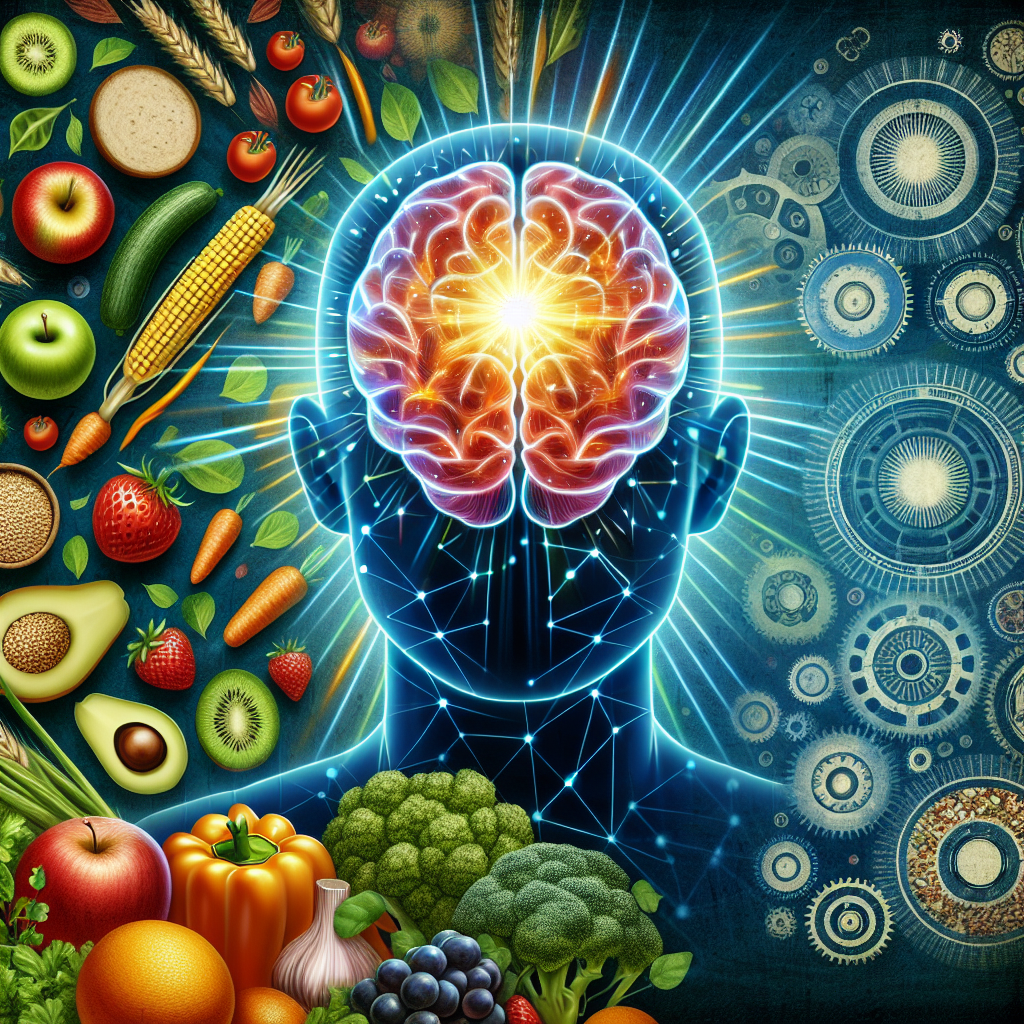
The MIND Diet Effect: A 4-Week Meal Plan to Boost Cognitive Function
Feed Your Brain: Why Diet Plays a Crucial Role in Mental Health
In today’s high-pressure lifestyle, our brains are constantly pushed to their limits—from managing work responsibilities to balancing home life. But what if the key to better focus, memory, and long-term mental clarity lies in what we eat?
Emerging research shows that nutrition plays a vital role in maintaining cognitive function and possibly staving off neurodegenerative diseases. One eating plan gaining momentum is the MIND diet: a science-backed approach designed specifically to nurture the brain and slow cognitive decline.
According to studies, following the MIND diet closely may reduce the risk of Alzheimer’s disease by up to 53%. Even moderate adherence shows significant benefits.
What Is the MIND Diet?
The MIND diet—short for “Mediterranean-DASH Intervention for Neurodegenerative Delay”—combines elements from the Mediterranean and DASH (Dietary Approaches to Stop Hypertension) diets. Created by researchers at Rush University Medical Center, it focuses on foods that specifically protect brain health and reduce the risk of cognitive decline.
As Dr. Martha Clare Morris, one of the principal creators, explains: “The MIND diet is distinct because it zeroes in on nutrients that benefit the brain, not just overall wellness.”
Brain-Boosting Foods Recommended by the MIND Diet
The MIND diet emphasizes 10 brain-friendly food groups:
– Leafy green vegetables – spinach, kale, collards (at least 6 servings per week)
– Other vegetables – aim for at least one serving daily
– Nuts – like walnuts, almonds, and cashews
– Berries – especially blueberries and strawberries high in flavonoids
– Beans – including lentils, chickpeas, and black beans
– Whole grains – such as quinoa, oats, and brown rice
– Fish – fatty fish like salmon rich in omega-3s
– Poultry – opt for chicken or turkey
– Olive oil – the preferred cooking oil
– Wine – enjoy red wine in moderation (one glass per day)
Foods to Limit or Avoid
To optimize your brain’s performance, the MIND diet also recommends limiting these items:
– Red meats
– Butter and stick margarine – keep under one tablespoon daily
– Cheese – less than one serving per week
– Sweets and pastries – reduce sugar intake
– Fried or fast food – enjoy sparingly
A helpful mantra: eat greens daily, choose berries a few times weekly, include fish at least once per week, and reduce processed foods wherever possible.
Why the MIND Diet Works: The Science Behind the Strategy
Backed by well-established studies, the MIND diet targets the primary drivers of cognitive decline. According to neuroscientist Dr. Lisa Mosconi, author of Brain Food, “Brain-supportive foods reduce inflammation, oxidative stress, and beta-amyloid buildup—all linked to memory loss.”
Key reasons the MIND diet is effective:
– High in antioxidants – berries and greens combat free radicals
– Rich in omega-3 fatty acids – fish helps protect brain cells
– Supports steady blood sugar – whole grains and legumes maintain brain energy
– Filled with polyphenols, vitamins, and fiber – slows aging and protects neurons
In one well-known study, participants who adhered strictly to the diet aged cognitively 7.5 years younger than peers (Morris et al., 2015). Even moderate adherence led to a 35% reduced risk of Alzheimer’s—proof that small changes yield tangible results.
Your 4-Week MIND Diet Meal Plan
To make things easier, we’ve designed a beginner-friendly 4-week MIND diet plan. It’s flexible, delicious, and filled with ingredients proven to support mental clarity.
Week 1: Build Your Foundation
– Breakfast: Overnight oats with blueberries, chia seeds, and walnuts
– Lunch: Quinoa salad with chickpeas, cherry tomatoes, and cucumber tossed in olive oil vinaigrette
– Dinner: Grilled salmon with roasted Brussels sprouts and sweet potatoes
– Snacks: Apple slices with almond butter, a handful of almonds
Pro Tip: Add leafy greens daily, and use olive oil instead of butter.
Week 2: Boost Antioxidants and Fiber
– Breakfast: Green smoothie made with spinach, banana, flaxseeds, and almond milk
– Lunch: Lentil soup paired with whole-grain toast and baby kale salad
– Dinner: Baked trout with quinoa and steamed broccoli
– Snacks: Carrot sticks with hummus, Greek yogurt with strawberries
Pro Tip: Increase berry servings to at least two this week. Include beans in at least three meals.
Week 3: Strengthen Healthy Habits
– Breakfast: Whole grain toast topped with avocado and a poached egg
– Lunch: Kale and farro salad with cranberries, toasted walnuts, and lemon dressing
– Dinner: Grilled chicken with sautéed spinach and brown rice
– Snacks: Air-popped popcorn, sliced orange
Pro Tip: Try eating fish twice this week. Reduce cheese intake and try plant-based ingredients in meals.
Week 4: Sustain and Reflect
– Breakfast: Steel-cut oats with cinnamon, raspberries, and sunflower seeds
– Lunch: Bell peppers stuffed with black beans, quinoa, and tomatoes
– Dinner: Oven-roasted turkey breast with steamed asparagus and garlic cauliflower mash
– Snacks: Mixed unsalted nuts, a square of 70% dark chocolate
Pro Tip: Reflect on which meals were easy and satisfying. Create a short list of those to repeat and build into your regular routine.
Going Beyond Diet: A Full-Spectrum Brain Health Approach
While nutrition forms the foundation, achieving peak cognitive performance requires a holistic lifestyle strategy. Pair your MIND diet plan with these daily habits for best results:
– Stay active – aim for 30 minutes of walking or cardio daily to improve blood flow to the brain
– Prioritize sleep – shoot for 7 to 9 hours per night to allow brain cell repair
– Keep your mind active – challenge your brain with puzzles, books, or learning new skills
– Manage stress – reduce cortisol through mindfulness, yoga, or journaling
– Stay hydrated – drink at least eight glasses of water per day to avoid brain fog
Looking for more ways to support cognitive function? Dive into additional tips and expert advice in our dedicated brain health blog series at edrugstore.com.
MIND Over Matter: Start Your Cognitive Wellness Journey Today
The MIND diet isn’t about counting calories or rigid food rules—it’s a balanced, sustainable approach to fueling your brain for the long term. Whether your goal is improved memory, clearer focus, or future-proofing your mental health, this plan delivers tangible benefits you can start feeling in weeks.
Start with small, manageable changes. Add greens to lunch, switch butter for olive oil, or enjoy berries instead of sugary snacks. Over time, these simple choices add up to a stronger, sharper mind.
Are You Ready to Nourish Your Brain?
Your mind is your greatest asset—why not give it the best care possible? Join the 4-week MIND diet challenge today and experience the boost in clarity, energy, and focus.
Have questions or meal ideas you’d like to share? Drop them in the comments. Let your journey to peak brain health begin—one smart bite at a time.
References
– Morris, M. C., Tangney, C. C., Wang, Y., et al. (2015). MIND Diet Associated with Reduced Incidence of Alzheimer’s Disease. Alzheimer’s & Dementia: The Journal of the Alzheimer’s Association, 11(9), 1007-1014. https://doi.org/10.1016/j.jalz.2014.11.009
– Mosconi, L. (2018). Brain Food: The Surprising Science of Eating for Cognitive Power. Avery Publishing.
– Rush University Medical Center. (2020). The MIND Diet. https://www.rush.edu/news/mind-diet
– Harvard Health Publishing. (2021). 6 Foods That Are Good for Your Brain. https://www.health.harvard.edu/mind-and-mood/foods-linked-to-better-brainpower
– edrugstore.com. Brain Health Resources. https://www.edrugstore.com/blog/sexual-health/brain-health/
Related posts
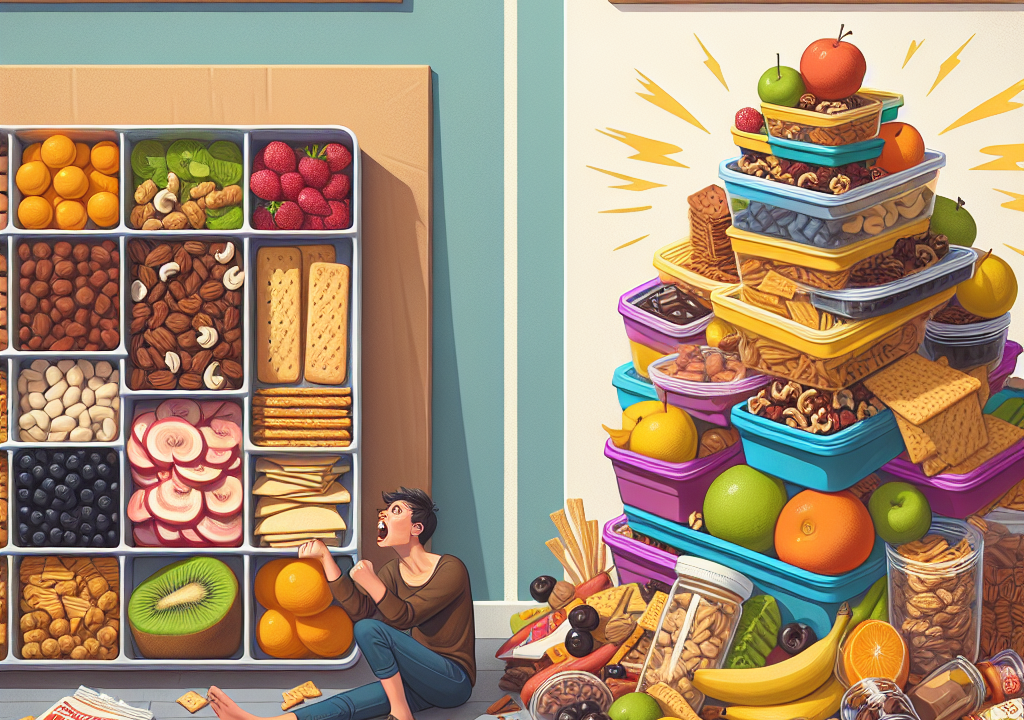
Why Pre-Portioned Snacks Work Better Than Willpower
Unlock the secret to effortless portion control with pre-portioned snacks! Ditch the struggle of relying solely on willpower. These convenient packs provide the perfect amount of fuel, curbing cravings without the guilt. Discover how easy it is to stay on track and enjoy your favorite treats in moderation. Start snacking smarter today!
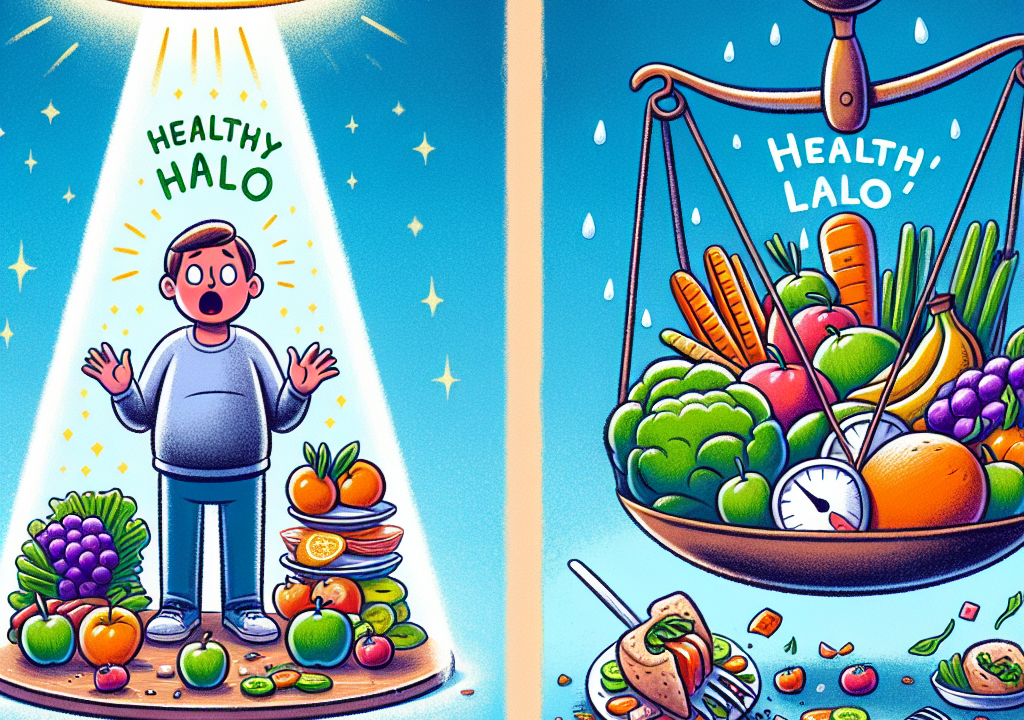
The “Healthy Halo” Effect: How Labels Trick You Into Overeating
Unlock the secret behind the “Healthy Halo” effect that’s making you overeat without realizing it! Discover how cleverly designed labels trick your mind into consuming more than you should. Dive into our blog to learn how to outsmart these marketing strategies and make healthier food choices effortlessly. Start eating smarter today!
