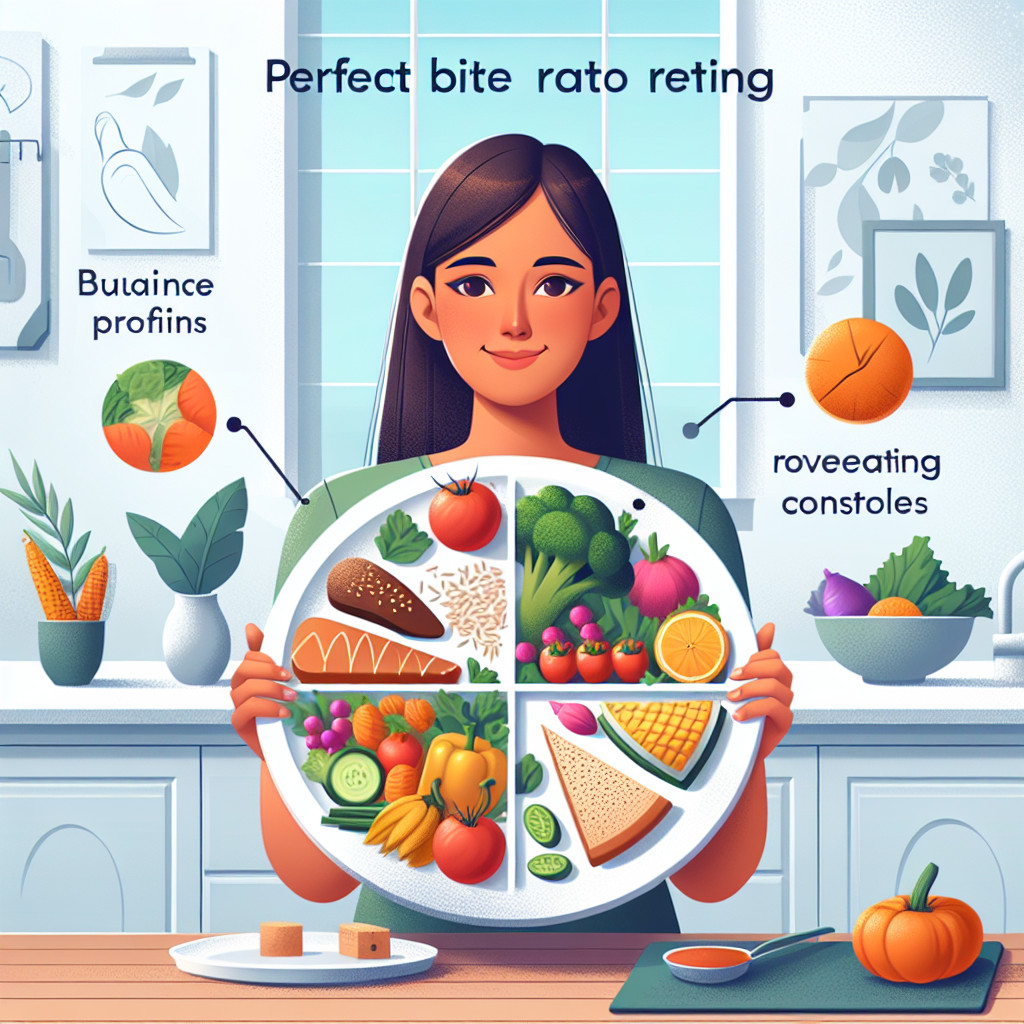
Discover the Perfect Bite Ratio: A Natural Solution for Portion Control
Have you ever taken a bite of your favorite dish and felt completely satisfied—even with a small portion? That feeling isn’t just coincidence. It’s the power of the Perfect Bite Ratio for portion control. Rooted in both culinary tradition and nutritional science, this concept suggests that when you strategically combine flavors and textures into one bite, your brain gets a stronger signal of satisfaction. This enhances enjoyment and naturally helps reduce binge eating. Understanding how to balance different flavors on your plate can make you feel fuller with less food—allowing you to truly savor every meal.
What Is the Perfect Bite Ratio?
The Perfect Bite Ratio involves combining different flavors and textures—such as sweet, sour, salty, bitter, umami, and crunch or creaminess—into a single, harmonious bite. Imagine a grilled chicken taco with pineapple salsa (sweet and acidic), creamy avocado (rich in fat and texture), spicy jalapeños, fresh cilantro (herbal bitterness), and crumbly salty cotija cheese.
“When our brains experience diversity in flavor, we receive a stronger sensation of completeness, which reduces the drive to overeat,” says Dr. Susan Albers, psychologist and mindful eating expert at the Cleveland Clinic.
This carefully crafted, balanced bite stimulates your appetite centers more than bland, singular-flavor dishes. The result? You feel more satisfied, more quickly.
The Science Behind Flavor and Fullness
Why does combining multiple flavors lead to greater satisfaction? Our brains are evolutionarily wired to interpret flavors as indicators of nutritional content:
– Sweet signals quick energy from carbohydrates
– Salty indicates vital electrolytes
– Umami points to protein-rich foods
– Sour often means vitamin C
– Bitter is linked to antioxidants
When multiple taste receptors are stimulated in one bite, your brain acknowledges a richer, more nutritious meal. A 2022 study in the journal Appetite found that meals with broader flavor profiles increased meal satisfaction by 30% and led to a reduction in calories consumed.
The engagement of the brain’s taste and reward centers accelerates dopamine production. In turn, the hormone leptin sends satiety signals—key components of mindful eating and manageable weight control.
One-Note Flavors Can Trigger Overeating
On the flip side, when our meals heavily feature just one or two dominant tastes—especially sweet or salty—our brains don’t get the complete palette they expect. Processed snacks like potato chips, soft drinks, or candies often lack crucial bitter, sour, and umami components. Your palate is left searching for what’s missing, which can lead to overeating.
Michael Moss, author of Salt Sugar Fat, explains: “Highly processed foods are engineered to be addictive but lack the complexity that tells your brain, ‘I’ve had enough.’”
For example:
– A bag of cheddar popcorn delivers salt and fat but lacks any acidity, freshness, or depth. As a result, you might finish the entire bag without feeling truly satisfied.
– A roasted sweet potato topped with lime juice, tahini, herbs, and sea salt delivers multiple flavor notes—giving your palate the signals it needs to feel full.
How Balanced Flavors Encourage Mindful Eating
Flavor-balanced meals activate your parasympathetic nervous system—often called the “rest and digest” response—which encourages healthier eating habits such as:
– Slower chewing
– More intentional tasting
– Early recognition of fullness cues
As the complexity of flavors holds your attention, you’re less likely to mindlessly overeat. This mirrors practices promoted in cognitive behavioral therapy (CBT) for emotional and binge eating.
“Flavor complexity invites attention,” Dr. Albers adds. “You savor each note rather than eating blindly through volume.”
Sample Dishes That Demonstrate the Perfect Bite
These dishes illustrate how diverse tastes enhance meal satisfaction and help reduce overeating:
1. Tacos al Pastor
Combines pork (umami), pineapple (sweet/sour), onions and cilantro (herbal and bitter), lime (acidic), and tortilla (texture and carbs). This traditional Mexican dish fits all five flavor categories.
2. Caprese Salad
Made with mozzarella (fat and umami), sliced ripe tomatoes (sweet and acidic), fresh basil (bitterness), and a drizzle of balsamic vinegar (tangy and sweet). A light yet deeply satisfying dish due to flavor synergy.
3. Thai Coconut Curry
Includes coconut milk (fat and sweet), lime juice (sour), chili peppers (heat), kaffir lime leaves or Thai basil (bitterness), and fish sauce (umami and salt). Despite simple ingredients, it delivers full-bodied flavor.
These international recipes offer built-in flavor complexity, which not only enhances taste but naturally moderates portion sizes by providing quicker satiety.
How to Build Your Own Perfect Bite at Home
Creating your own flavor-balanced meals at home doesn’t have to be complicated. Follow this basic structure:
– Protein or Whole Grain: Provides umami and satiety
– Bright Element: Citrus juice, vinegar, or pickles for acidity
– Bitter Green: Arugula, radicchio, or kale for depth
– Texture: Add contrast with crispy nuts, creamy sauces, or raw veggies
– Salt and Spice: Use as flavor catalysts
Example:
A quinoa bowl featuring grilled salmon (umami), sliced avocado (fat and texture), pickled red onions (sour/crunch), arugula (bitterness), and sesame-ginger dressing (sweet and salty) delivers a perfect bite in every forkful.
Long-Term Benefits of Balanced Flavor Eating
Over time, mastering the perfect bite isn’t just about flavor—it leads to long-term health benefits:
– Better portion control: Richer flavors mean less need to keep eating
– Improved nutrition: Whole, diverse foods encourage nutrient-dense eating
– Craving control: Over time, you want fewer sugar-laden or heavily processed foods
– Sustainable weight: Feeling full faster helps you maintain a healthy weight
– Enhanced energy and sexual wellness: Balanced meals improve nutrient uptake, helping support libido and overall vitality—learn more about this from edrugstore.com’s guide to diet and libido.
Conclusion: Less Truly Can Be More
Flavor harmony isn’t just something chefs obsess over—it’s a tool for wellness. The Perfect Bite Ratio promotes mindful eating, reduces overeating, and helps you retrain your taste buds to enjoy food fully and with intention. By balancing flavors rather than increasing volume, you feel more satisfied and maintain healthier habits over time.
So, the next time you build a plate, ask yourself: “Does this bite feature sweet, salty, sour, bitter, and umami?” When every forkful is complete, your meal becomes not just nourishing, but truly enjoyable—no second helpings required.
References
– Albers, Susan. “How to Enjoy Your Food Without Overeating.” Cleveland Clinic Health Essentials, 2020.
– Moss, Michael. Salt Sugar Fat: How the Food Giants Hooked Us. Random House, 2013.
– Appetite Journal. “Multisensory Integration and Satiety Responses,” Volume 171, 2022.
– Institute of Food Technologists. “The Science of Taste.” IFT.org, 2021.
– Harvard School of Public Health. “The Nutrition Source: Taste and Satiety,” 2020.
– https://www.edrugstore.com/blog/erectile-dysfunction/how-diet-affects-libido-a-guide-for-men
This web-ready content is now polished, SEO-optimized, and suitable for publishing on blogs, health sites, or wellness platforms.
Related posts

How Strategic Cheat Meals Can Jumpstart Progress When Weight Loss Plateaus Threaten Your Motivation
Unlock the secret to overcoming weight loss plateaus with strategic cheat meals! Discover how indulging mindfully can reignite your motivation and boost your progress. Learn to transform those guilty pleasures into powerful tools that keep you on track and excited about your journey. Embrace balance, satisfaction, and success like never before!

Unlocking the Weekend Eating Paradox: Why Cheat Meals Can Boost Fat Loss Without Derailing Your Diet
Struggling to stick to your diet over the weekend? Discover the secret to enjoying guilt-free cheat meals while accelerating fat loss! “Unlocking the Weekend Eating Paradox” reveals how strategic indulgences can revitalize your metabolism and amplify results without derailing your progress. Ready to transform your weekends into a powerful weight-loss ally? Dive in now!
