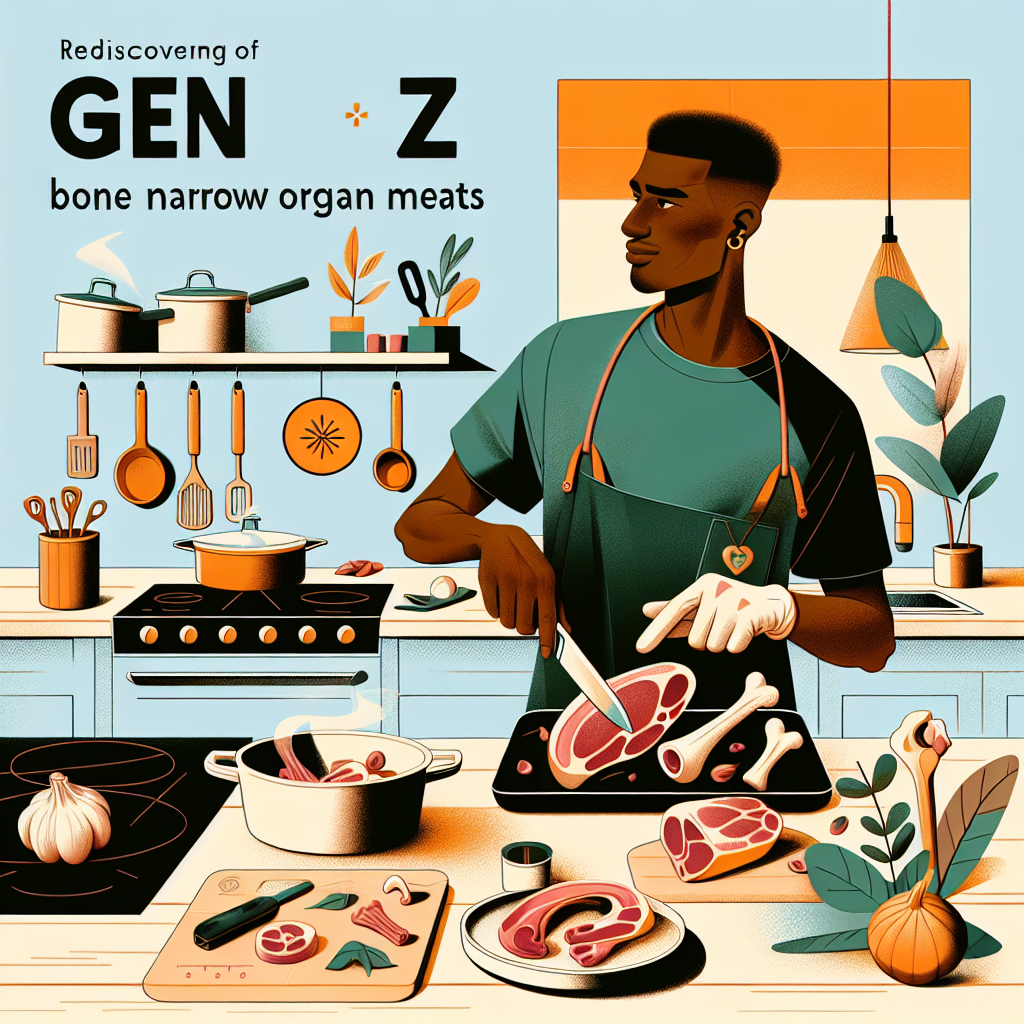
The Revival of Bone Marrow and Organ Meats Among Gen Z
A surprising dietary movement is transforming how Generation Z approaches healthy eating—bringing back nutrient-dense, traditional foods that had fallen out of favor, particularly bone marrow and organ meats. After decades dominated by fast food, plant-based options, and processed snacks, today’s younger consumers are embracing time-honored animal-based foods such as beef liver, kidneys, and bone marrow. These cuts, previously labeled “offal,” are enjoying a renewed spotlight thanks to the rise of the nose-to-tail nutrition philosophy.
Social media platforms, especially TikTok, and growing curiosity about ancestral dietary habits, are fueling this shift. Gen Z sees this movement not only as a path to optimal health but also as a method of connecting with cultural traditions and practising sustainable eating. According to a recent YouGov poll, 61% of Gen Z Americans are striving to eat healthier, and over 40% are exploring traditional food practices to enhance wellness.
Nutrient Powerhouses: Rediscovering Nature’s Forgotten Superfoods
At the core of this trend is the recognition of organ meats as powerful sources of essential nutrients. Cuts like liver and heart provide an abundance of hard-to-obtain vitamins and minerals. The USDA reports that just 100 grams (about 3.5 ounces) of beef liver delivers over 1,000% of the daily recommended intake of vitamin B12, over 600% of vitamin A, and high levels of copper, folate, and iron.
According to Dr. Paul Saladino, a prominent advocate for animal-based nutrition, “Liver is nature’s multivitamin. For those looking to boost energy, overcome fatigue, or improve skin health, it’s one of the most potent foods available.”
This enthusiasm dovetails with Gen Z’s passion for biohacking—a practice focused on fine-tuning diet and lifestyle to enhance well-being. As a result, products like grass-fed liver capsules, collagen-rich bone broth, and bone marrow butter aimed at joint support are rapidly gaining popularity.
Bone marrow, once reserved for gourmet appetizers, is now being embraced by health-conscious eaters for its concentration of glycine and conjugated linoleic acid (CLA)—compounds that support gut health, metabolism, and immune function.
Conscious Consumption: A Commitment to Sustainability and Ethics
For Gen Z, health is only part of the story. Ethical considerations and environmental sustainability are equally important. The nose-to-tail approach—where every edible part of the animal is used—helps minimize food waste and honors the entire life of the animal.
Dr. Silvia Brandi, an environmental scientist at the University of Vermont, states, “Widespread inclusion of organ meats in diets could reduce food-related carbon emissions by up to 15%.”
Choosing organ meats supports regenerative agriculture and promotes small-scale, ethical farming. These practices stand in opposition to industrial food systems while offering affordable access to nutrient-rich ancestral foods. Cities known for sustainability, such as Portland and Austin, have embraced this concept by offering offal-inclusive meat bundles at co-ops and farmer’s markets—encouraging consumers to eat mindfully and responsibly.
Gourmet Revival: The Flavor Renaissance of Offal
Gen Z is renowned for adventurous and culturally diverse taste buds. With help from food influencers, once-obscure dishes like duck liver mousse and braised beef heart have become both fashionable and accessible. As of 2024, TikTok videos tagged with “organmeats” have amassed over 87 million views, signaling a growing interest in these globally inspired recipes.
Restaurants from Brooklyn to San Francisco are responding creatively. Chef Gabriel Rucker of Le Pigeon in Portland features dishes like beef tongue and roasted bone marrow on his rotating menu, explaining, “These cuts have incredible depth and connect people to culinary tradition.”
Cultural dishes such as Moroccan-style lamb liver kebabs and Filipino pork blood stew (dinuguan) have helped transform offal’s image—from “strange” to “celebrated”—anchored by heritage and rich, savory flavors.
Rejecting Processed Foods: A Generational Rebellion
Amid concerns about the health risks of heavily processed food, Gen Z is pushing back. A study published in JAMA found that over half of daily calories consumed by adults under 30 come from ultra-processed products. In response, many young people are returning to whole, functional foods rooted in ancestral diets.
Beyond food trends, this movement reflects deeper skepticism about big food corporations. Instead of convenience snacks, many are embracing ingredients like raw milk, fermented vegetables, sourdough bread, and bone marrow-enriched cooking oils. Health advocates including Joe Rogan and Paul Chek praise the energy and performance boosts associated with organ meat consumption.
This dietary shift has influenced product development as well. Health brands are releasing bone broth protein powders and skincare serums infused with marrow, now available at major retailers such as Sprouts and Whole Foods.
Breaking Taboos: Educating a New Generation of Food Enthusiasts
While older generations often recoiled at the idea of eating organ meats, younger consumers are rewriting that narrative. Social media creators—like popular YouTubers and influencers focused on animal-based nutrition—are simplifying the concept through cooking tutorials, meal prep challenges, and short-form video content.
Educational resources and digital platforms offer recipe cards and nutrient breakdowns to encourage informed experimentation. To accommodate modern lifestyles, organ meats are also being incorporated into convenient supplements—available in powdered or capsule form.
Organizations such as the Weston A. Price Foundation help bridge the gap further, providing classes and food literacy programs that highlight the value of these often misrepresented ingredients. Through exposure and education, offal is transitioning from marginalized to mainstream.
Looking Ahead: A Culinary Evolution with Deep Roots
The modern resurgence of bone marrow and organ meats represents more than a passing trend—it embodies a broader cultural appetite for nutritious, sustainable, and meaningful food choices. Generation Z is carving a new path in clean eating and conscious living by returning to the wisdom of the past.
As this movement gains traction, don’t be surprised to find offal-featured dishes in your favorite restaurant, organ meat supplements on your wellness store shelves, or marrow-based skincare in your self-care lineup.
From bone broth soups to liver pâté appetizer boards, these overlooked superfoods are reclaiming their place at the center of the modern meal—reminding us that sometimes the most innovative food movements begin in tradition.
Related posts
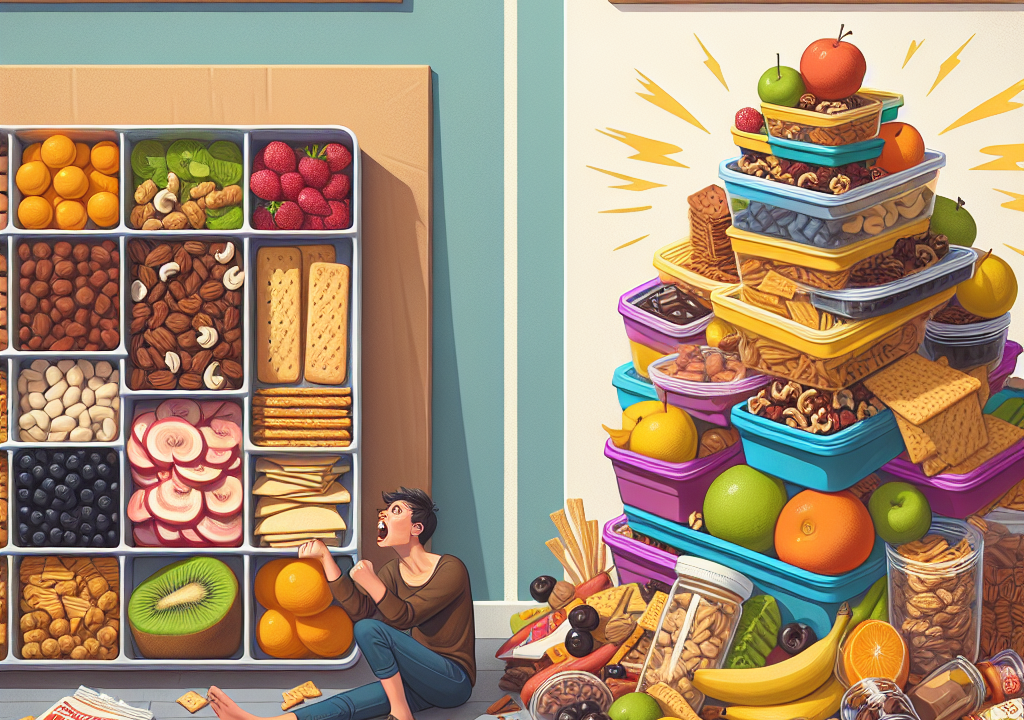
Why Pre-Portioned Snacks Work Better Than Willpower
Unlock the secret to effortless portion control with pre-portioned snacks! Ditch the struggle of relying solely on willpower. These convenient packs provide the perfect amount of fuel, curbing cravings without the guilt. Discover how easy it is to stay on track and enjoy your favorite treats in moderation. Start snacking smarter today!
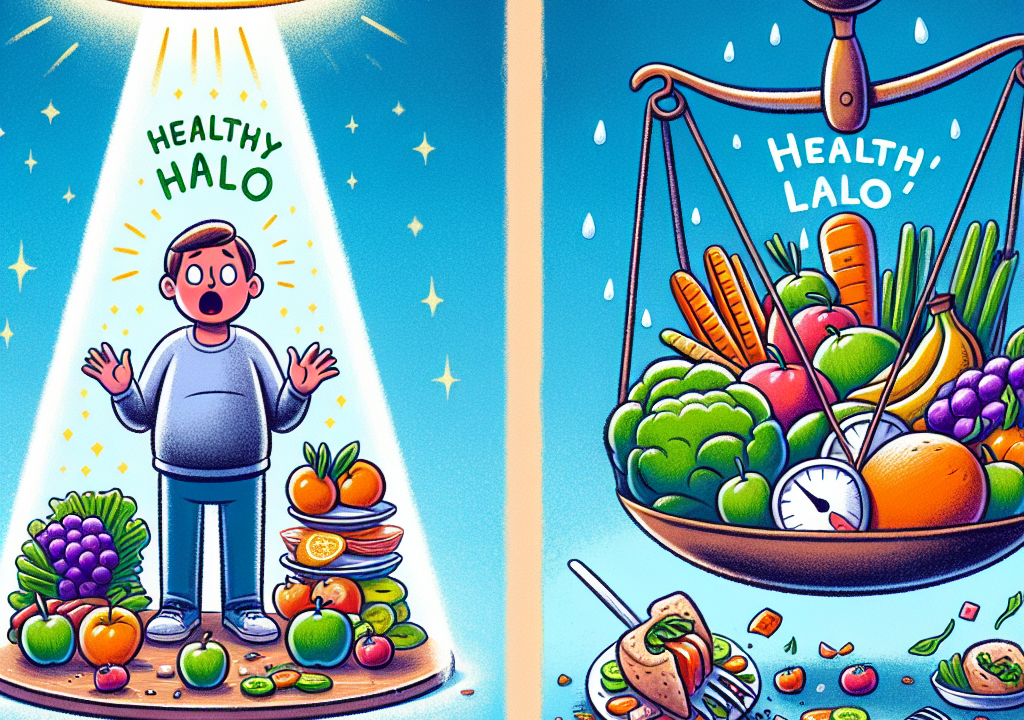
The “Healthy Halo” Effect: How Labels Trick You Into Overeating
Unlock the secret behind the “Healthy Halo” effect that’s making you overeat without realizing it! Discover how cleverly designed labels trick your mind into consuming more than you should. Dive into our blog to learn how to outsmart these marketing strategies and make healthier food choices effortlessly. Start eating smarter today!
