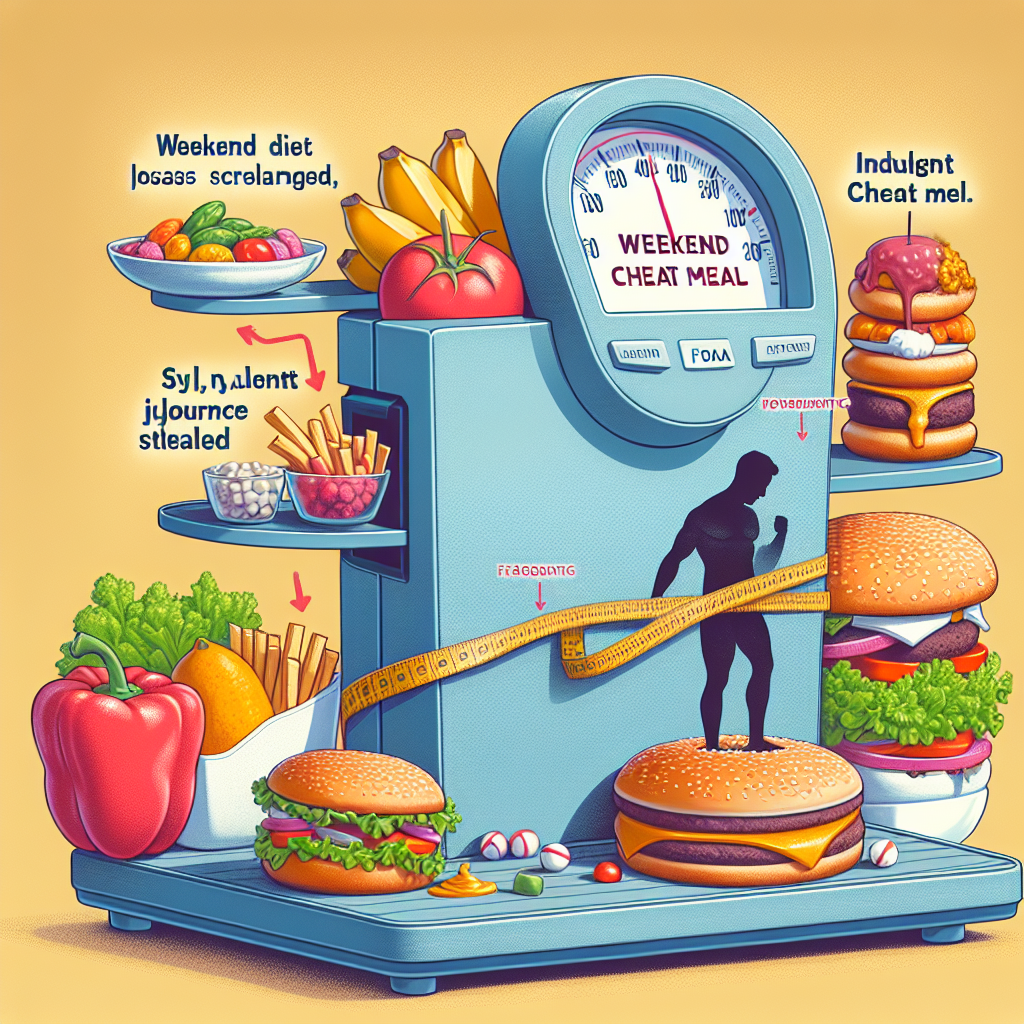
## Why Your Weekend Cheat Meals Stall Fat Loss Even When Calories Seem Perfectly Balanced
### The Weekend Weight Loss Dilemma
Achieving fat loss goals often involves meticulously counting calories, tracking macronutrients, and sticking to workout regimens. Yet, despite diligent efforts Monday through Friday, many experience a weight loss plateau or, worse, a creeping increase in weight. This perplexing development is frequently attributed to those seemingly harmless weekend cheat meals that sabotage weekday progress. According to findings published in the American Journal of Clinical Nutrition, weekend eating habits can lead to a 20% increase in calorie intake, thereby disrupting a carefully maintained calorie deficit.
### The Allure and Risks of Cheat Meals
Cheat meals provide a mental reprieve from the monotonous discipline of dieting, offering a guilt-free indulgence in favorite treats. The idea of eating healthily for six days and then rewarding oneself with a cheat meal is appealing. However, Dr. Susan Albers, a psychologist at the Cleveland Clinic, warns, “Cheat meals can lead to overeating by escalating into cheat days, which can rapidly accumulate calories.” While mentally refreshing, the physical impact of these indulgences can be more significant than anticipated.
### Mastering Caloric Balance
Weight maintenance hinges on balancing calories consumed with those burned, and achieving weight loss requires a calorie deficit. Although maintaining this deficit during the week may seem manageable, weekend indulgences can negate the progress. As dietitian Leslie Bonci points out, “Even a small oversight in calorie calculation over the weekend results in a zero-sum game,” nullifying earlier efforts.
### Unveiling Hidden Calories in Cheat Meals
Cheat meals can come with unexpectedly high caloric contents. For example, a typical burger meal with fries and a milkshake can reach 2,000 calories, negating an entire week’s deficit. According to the USDA, restaurant meals often hide high-calorie ingredients that accumulate rapidly. Being aware of this can prevent the inadvertent undoing of weekly accomplishments.
### Psychological Permission to Overindulge
Cheat meals might introduce a psychological loophole, leading to overindulgence beyond the intended plan. Such indulgence often extends into a weekend of relaxed dietary restrictions, effectively erasing the week’s calorie deficit. For instance, transforming a single cheat meal into an entire day of indulgence can effectively counteract weekly progress. Mindfulness and preparation can help mitigate this effect.
### Metabolic Ramifications of Cheat Meals
Cheat meals impact more than just calorie count; they also affect metabolism and hormonal balance, which are crucial for weight loss. High sugar and fat intake can spike insulin levels, potentially leading to increased fat storage and decreased insulin sensitivity. Over time, regular cheat days may impair the body’s insulin response, impacting metabolism. For further reading on managing these metabolic effects, visit reputable sources such as Mayo Clinic.
### Crafting a More Effective Strategy
To maintain fat loss while enjoying occasional indulgences, strategic planning is essential:
1. **Plan the Cheat**: Schedule cheat meals as you would any other meal. This helps control intake and prevent impulsive eating.
2. **Caloric Banking**: Create a calorie deficit earlier in the week to accommodate cheat meal impacts without harmful patterns.
3. **Mindful Eating**: Relishing each bite makes meals more satisfying and helps control portion sizes.
4. **Healthier Swaps**: Choose healthier versions of favorite cheat foods to reduce calorie impact.
5. **Active Weekends**: Staying active during the weekend supports burning extra calories and promotes healthier decision-making.
### Conclusion: Balancing Enjoyment with Discipline
Fat loss goals do not exclude the enjoyment of meals. Balance and moderation are critical. Understanding the impact of cheat meals and implementing effective strategies ensures progress while still savoring culinary delights. This approach emphasizes not deprivation but making informed choices aligned with personal goals. As you advance, rewards can evolve from calorie-rich indulgences to the satisfaction of achieving fitness milestones.
Related posts

Why Pre-Portioned Snacks Work Better Than Willpower
Unlock the secret to effortless portion control with pre-portioned snacks! Ditch the struggle of relying solely on willpower. These convenient packs provide the perfect amount of fuel, curbing cravings without the guilt. Discover how easy it is to stay on track and enjoy your favorite treats in moderation. Start snacking smarter today!
The “Healthy Halo” Effect: How Labels Trick You Into Overeating
Unlock the secret behind the “Healthy Halo” effect that’s making you overeat without realizing it! Discover how cleverly designed labels trick your mind into consuming more than you should. Dive into our blog to learn how to outsmart these marketing strategies and make healthier food choices effortlessly. Start eating smarter today!
