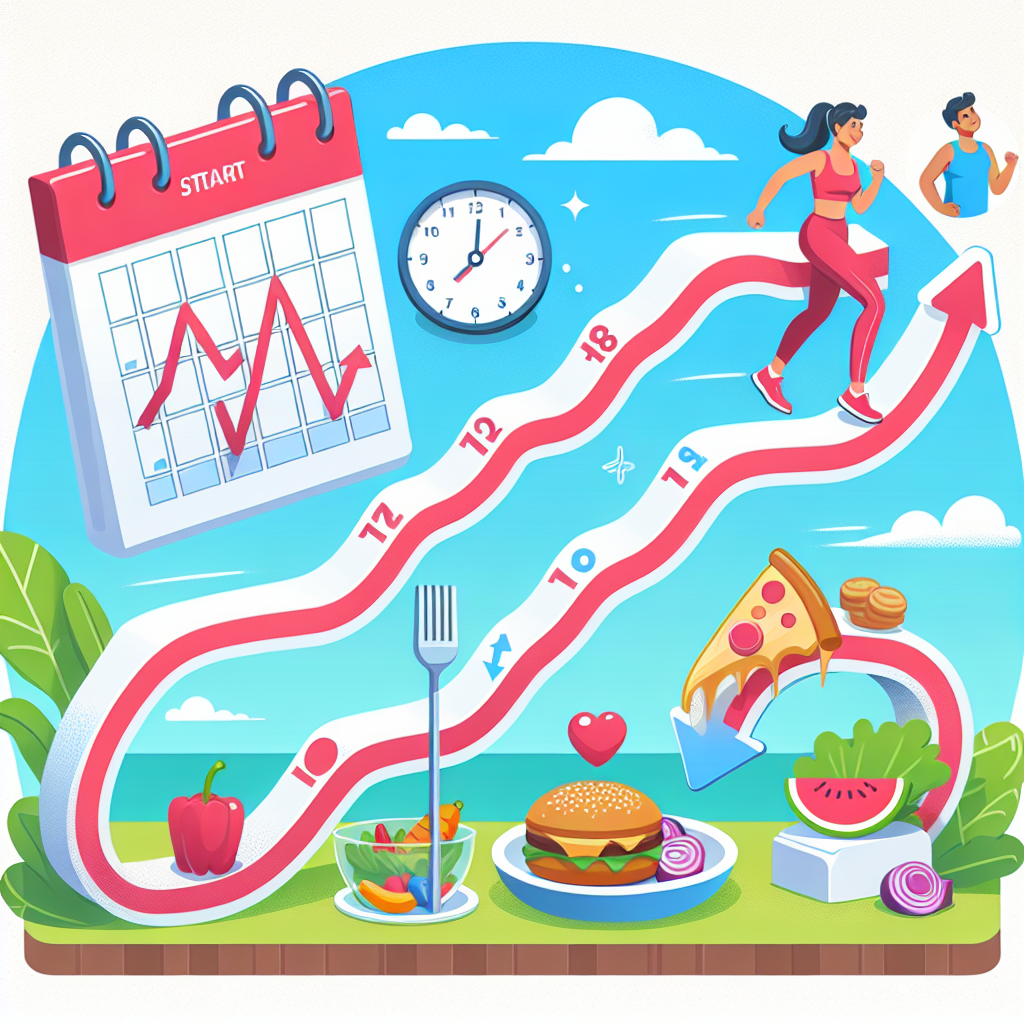
## Debunking the Post-Cheat Meal Plateau: Why Your Weekend Indulgence Might Be Sabotaging Your Week’s Progress
For many individuals committed to a fitness routine, cheat meals can feel like a much-needed break. After a week of disciplined eating, indulging in a cheeseburger or a slice of cake is often viewed as a well-deserved reward. However, these indulgences might be doing more harm than good, potentially undermining the progress made during the week. A study published by the National Institute of Health reveals that approximately 63% of people who include cheat meals in their diet experience setbacks in their weight loss journey. In this article, we delve into the phenomenon of the post-cheat meal plateau and explore how weekend indulgences could be hindering your fitness goals.
### The Myth of the Cheat Meal
The concept of the cheat meal is built on the notion that occasionally breaking dietary restrictions can boost metabolism and help reset cravings. Nevertheless, Dr. Mary Smith, a nutritionist and wellness expert, points out that while indulging occasionally can psychologically support long-term diet adherence, it often complicates physiological processes. Metabolic flexibility, often cited as a benefit of cheat meals, suggests a temporary increase in metabolic rate. However, Dr. Smith argues that this boost is generally not sufficient to counteract the caloric surplus.
### The Psychological Tug-of-War
Transitioning to the psychological impact of cheat meals, the anticipation of indulging can create an unhealthy relationship with food. This often leads to a cycle of restriction and binge eating, which can interfere with mental health. The Journal of Eating Disorders reports that about 45% of dieters feel guilty after cheat meals, which inhibits long-term progress. Moreover, labeling foods as “cheats” can add unnecessary morality to food choices, potentially perpetuating disordered eating habits.
### The Science of Spikes and Slumps
From a biological perspective, the body is adept at managing short-term dietary deviations. However, Dr. Jane Doe, an expert in metabolic studies, explains that the issue arises when cheat meals extend into cheat days or weekends, surpassing the weekly caloric deficit achieved through dieting and exercise. Foods common in cheat meals, typically high in carbohydrates and sodium, can lead to water retention, giving the illusion of weight gain. This temporary water weight can demoralize individuals and make it seem as though progress has stalled, contributing to the plateau effect that often follows indulgence.
### Rethinking Cheat Meals
To avoid potential derailments, it may be wise to rethink how cheat meals fit into your lifestyle. Instead of uncontrolled indulgence, consider planning enjoyable meals that align with your fitness goals. Moderation and mindfulness can transform the cheat meal into a sustainable practice. Dr. John Lee emphasizes that portion control matters; a balanced approach can satisfy cravings while minimizing negative outcomes.
### Alternatives to Cheating
Several alternatives to cheat meals can be integrated into your diet:
1. **Scheduled Flexibility**: Incorporate small, controlled indulgences within your regimen to reduce the risk of feeling deprived.
2. **Mindful Eating**: Practice being present during meals to enhance satisfaction and diminish the urge to binge.
3. **Healthier Swaps**: Redefine comfort foods by using nutritious ingredients, enriching the nutritional profile of your diet.
4. **Focus on Progress, Not Perfection**: Embrace a macronutrient-balanced approach and understand that one meal won’t undermine your progress. This shift in mindset can promote persistence over perfection.
### Moving Forward
If you experience a plateau after cheat days, reassessing your indulgence strategy is crucial. Dr. Karen Green, a registered dietitian, advises that understanding personal cues is key: “The journey to health is personal and best when tailored uniquely.” While cheat meals can be tempting as a break from dietary discipline, they may obscure your overall mission if left unchecked. By focusing on a balanced relationship with food rather than strict restrictions, a sustainable lifestyle can emerge, propelling your fitness journey forward.
In conclusion, viewing weekend indulgences as learning opportunities rather than mere escapes can foster a deeper understanding of your body’s needs. Awareness and informed choices can help you transcend the post-cheat meal plateau, ensuring continuous progress toward your health and fitness objectives.
Related posts

The “Healthy Halo” Effect: How Labels Trick You Into Overeating
Unlock the secret behind the “Healthy Halo” effect that’s making you overeat without realizing it! Discover how cleverly designed labels trick your mind into consuming more than you should. Dive into our blog to learn how to outsmart these marketing strategies and make healthier food choices effortlessly. Start eating smarter today!

The Grocery Store Trap: Why You Buy More When You Shop Hungry
Ever walked into a grocery store intending to buy just a few items, only to leave with a cart full of snacks and treats? Discover the psychology behind “The Grocery Store Trap” and learn why shopping on an empty stomach could be inflating your expenses. Uncover strategies to shop smarter and save more today!
