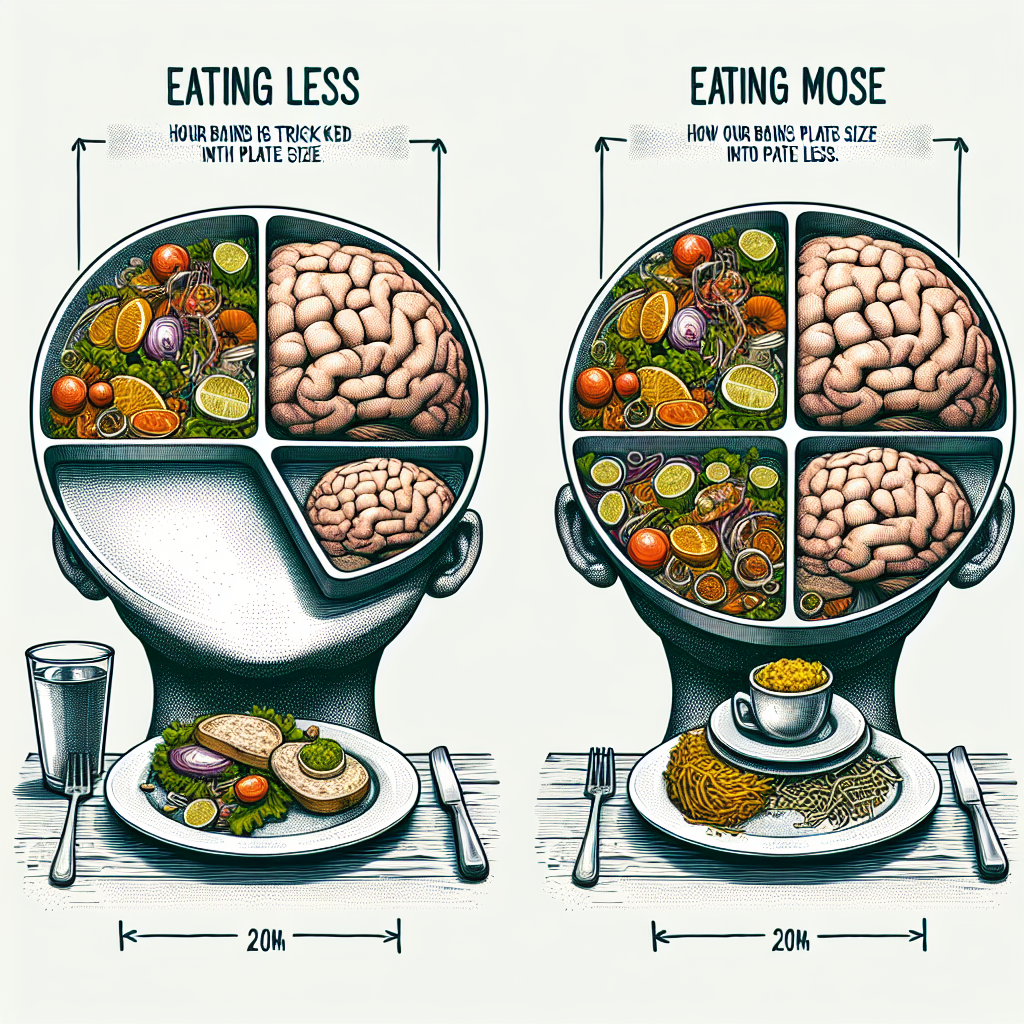
### The Optical Illusion of Appetite: How Plate Size Tricks Your Brain Into Eating More or Less
In today’s world of mindful eating and calorie counting, how often do we pause to consider the role of the plate in our dietary habits? This seemingly simple piece of tableware significantly influences how much we consume. Acting as an optical illusion, it can trick even the most self-aware eaters into consuming more or less food. By delving into the intriguing psychology behind plate size and portion control, we uncover insights that may change the way you approach eating entirely.
### The Science Behind Plate Size Perception
Central to this phenomenon is the Delboeuf Illusion, a well-known optical trick demonstrating how surrounding objects affect our perception. When applied to dining, a small portion on a large plate appears smaller, while the same portion on a smaller plate seems more abundant. This illusion has significant impacts on our eating behavior. According to research by Professor Brian Wansink, individuals often underestimate food servings on larger plates by as much as 30%. Therefore, using smaller plates can help reduce unintentional overeating.
### The Psychological Power of Feeling Full
Fullness isn’t just physical; it’s also psychological. Visual cues play a critical role in the brain’s determination of satiety. When a plate is full, there’s a mental satisfaction equal to the visual satisfaction experienced. For example, individuals dining at buffets with larger plates typically end up taking more food than necessary due to the large plate’s encouragement. Conversely, those who use smaller plates tend to take and consume less food, aligning their intake more closely with their nutritional needs.
### Practical Applications for Mindful Eating
Leveraging this knowledge, here are some practical tips for controlling portion sizes:
– **Use Smaller Plates for Main Meals:** Opt for smaller dishware to encourage naturally smaller portions, creating the illusion of abundance that tricks the brain into feeling satisfied with less food.
– **Serve Fruits and Vegetables on Larger Plates:** To consume more healthy foods, serve them on larger plates, making them visually appealing and encouraging greater intake.
– **Mind the Glassware:** Use tall, narrow glasses for sugary beverages and short, wide ones for water, promoting better hydration.
– **Utilize Color Contrast:** Enhance perception by choosing plates that contrast with your food. For example, use dark plates for light-colored foods to increase their perceived size.
– **Consider Cultural and Festive Contexts:** During social events, select appropriate plate sizes to enjoy festive foods without unconscious overindulgence.
### Moving Toward Intentional Consumption
Eating is a journey of experience and nourishment. Recognizing plate size as a factor influencing our habits empowers us to reclaim dietary control. This isn’t about restriction; it’s about balanced enjoyment. By understanding how dishware influences our perception, we can make small, deliberate changes that significantly impact our health.
### Conclusion
The humble plate offers insights into the complexities of consumption driven beyond hunger. By learning how dishware adjustments can alter food perceptions, individuals can make informed choices that positively impact their health. Approach each meal with the awareness that your plate is more than just a vessel—it’s part of a broader narrative about what and how much you eat. Mindfully embrace the optical illusion of appetite, using these insights to foster healthier living.
**References**
1. Wansink, B. (2010). “Mindless Eating: Why We Eat More Than We Think.” Bantam Books.
2. Piaget, J., & Inhelder, B. (2010). “The Psychology of the Child.” Basic Books.
3. Edrugstore.com – Nutritional Supplements
This content is crafted to be ready for publication in a web-friendly format.
Related posts
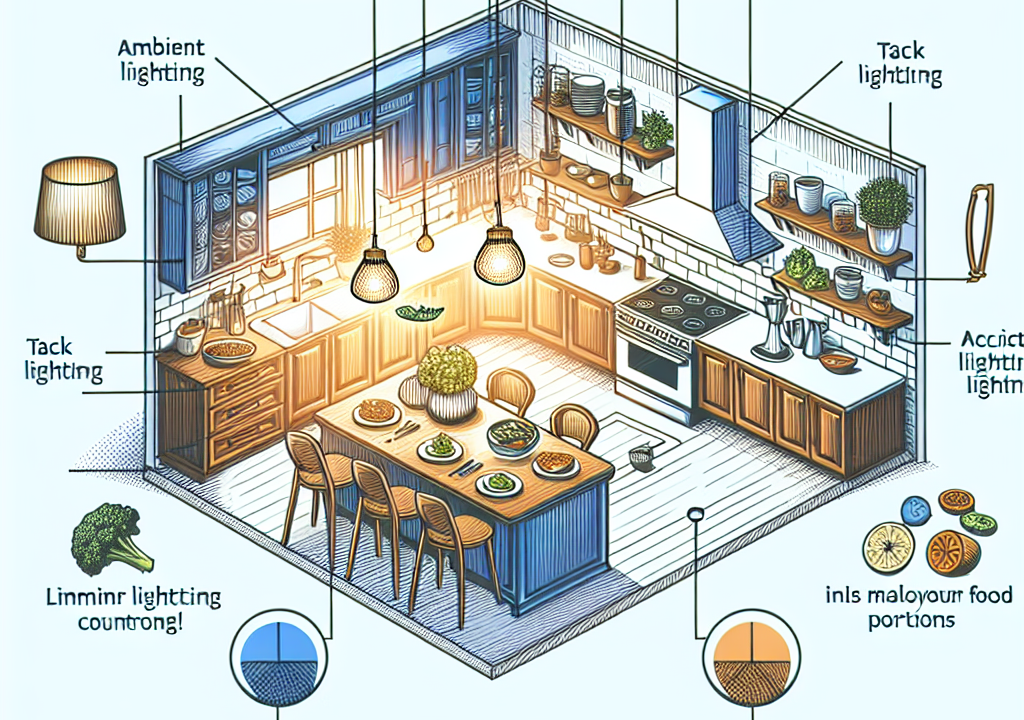
How Lighting in Your Kitchen Impacts Portion Control
Transform your kitchen into a haven of wellness with the right lighting! Discover how strategically placed lighting can subconsciously encourage healthier portion control. Say goodbye to oversized servings and hello to mindful eating. Ready to illuminate your path to better health? Dive into our guide and revolutionize your dining experience today!
The Science of Food Pairing: Why Certain Combos Feel Addictive
Unlock the culinary secrets behind addictive flavor combinations! Delve into The Science of Food Pairing and discover why certain combos captivate our taste buds. From the savory allure of cheese and wine to the sweet perfection of chocolate and strawberries, learn how to effortlessly elevate your dining experiences with scientifically proven pairings.
