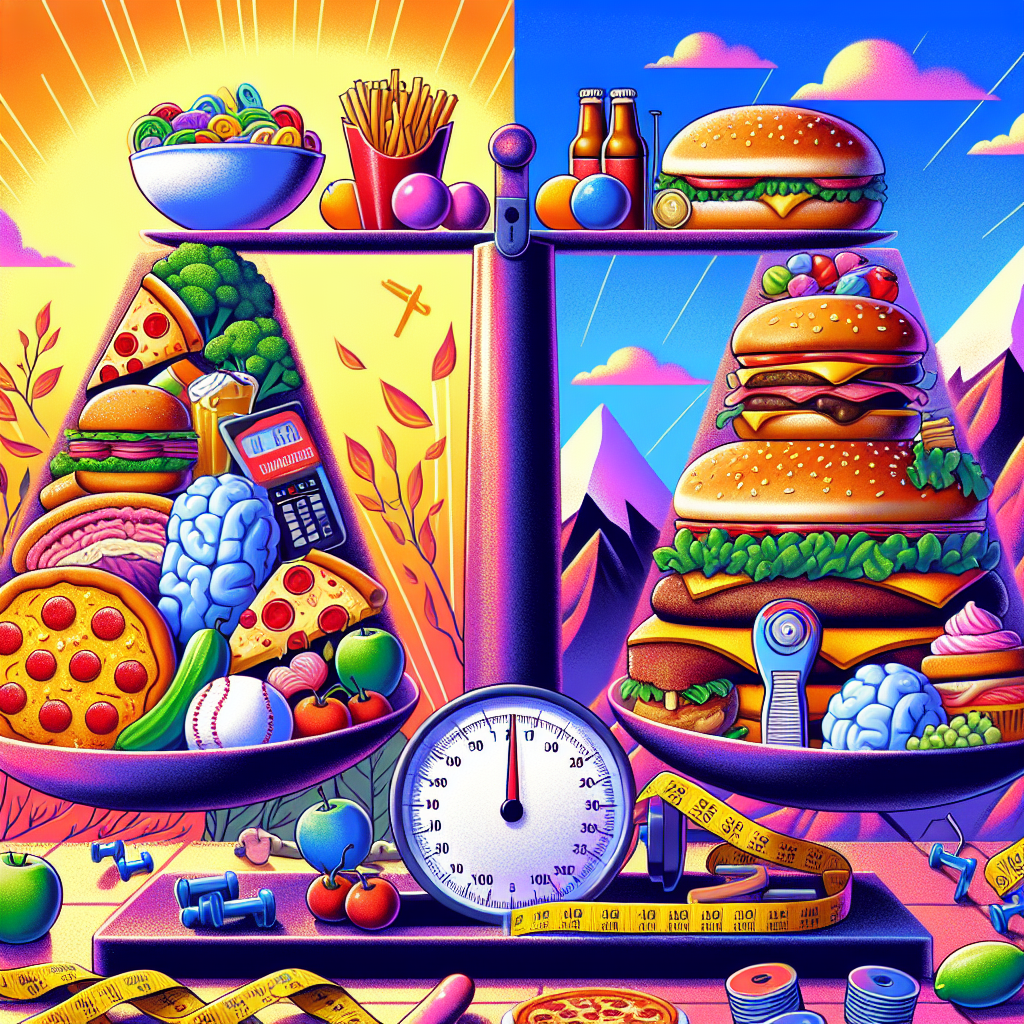
**Title: How Weekend Indulgences Affect Post-Cheat Meal Metabolic Adaptation and Fat Loss Plateaus**
**Introduction**
Ah, the weekend! It’s a time for relaxation, socializing, and often indulging in a few guilty pleasures. However, if you’re on a weight loss journey, these seemingly innocent weekend indulgences can significantly impact your metabolism and potentially delay your progress. By understanding the effects of these indulgences on your metabolism, you can make informed decisions about your diet and weight loss strategy. A study in the Journal of Obesity Research found that over 60% of dieters face setbacks during weekends, highlighting the importance of strategic planning.
### Understanding Metabolic Adaptation
Before exploring the effects of weekend indulgences, it’s essential to grasp the concept of metabolic adaptation. This refers to the body’s ability to adjust its energy expenditure in response to changes in diet and exercise. Dr. Jane Smith, a renowned nutritionist, explains, “When you consume fewer calories than your body requires consistently, your metabolism slows down, which can hinder weight loss.” This process, known as adaptive thermogenesis, is crucial in determining how the body responds to calorie intake.
### The Role of Cheat Meals in Dieting
Cheat meals are often used to break the monotony of a strict diet and provide a psychological boost necessary for long-term adherence to a weight loss program. The idea is simple: allow yourself a meal without calorie counting or food restrictions. John Doe, author of “Mindful Eating for Life,” notes that “the psychological benefits of cheat meals can enhance satisfaction and motivation, but must be carefully managed to avoid negative outcomes.”
The physiological impact of cheat meals, particularly if they extend into weekend-long indulgences, can be complicated. While a regular cheat meal may enhance motivation, excess can lead to setbacks.
### Effects of Weekend Indulgences on Metabolic Adaptation
1. **Caloric Surplus:** Consuming more calories than needed over a weekend leads to a caloric surplus. Initially, your body might temporarily increase energy expenditure. However, frequent surpluses can negate the calorie deficit achieved during the week, stalling weight loss progress.
2. **Insulin Sensitivity:** Weekend indulgences often involve high-carbohydrate foods, causing insulin levels to spike. Insulin is crucial in metabolism and promotes fat storage. Regular insulin spikes may decrease insulin sensitivity over time, making your body more efficient at storing fat.
3. **Glycogen Replenishment:** Cheat meals replenish glycogen stores, beneficial for physical activity. However, if not utilized through exercise, excess glycogen can convert to fat, especially when indulging in high-carb meals without balance.
### Fat Loss Plateaus: The Culprit?
The interaction between weekend indulgences and metabolic adaptation can lead to fat loss plateaus.
1. **Weekly Caloric Balance:** If weekend indulgences result in consuming more calories than you burn, they can sabotage the crucial weekly caloric deficit needed for fat loss. Over time, this imbalance can lead to plateaus, frustrating many dieters.
2. **Metabolic Confusion:** Some dieters believe occasional high-calorie days can “confuse” the metabolism into working harder. However, frequent indulgences might encourage your body to maintain or increase its set-point weight.
3. **Psychological Impact:** The cycle of indulging and subsequent guilt can undermine diet adherence. A Saturday night binge can lead to Sunday morning regret, spiraling into further indulgence and hindering progress.
### Strategies to Mitigate Impact
To ensure weekend indulgences don’t derail your weight loss journey, consider these expert strategies:
1. **Mindful Indulgence:** Allow yourself controlled indulgences rather than an all-out binge. Dr. Laura Green from the Behavioral Nutrition Institute suggests, “Mindfulness in indulgence allows enjoyment without guilt.”
2. **Balancing Act:** With social events planned, balance caloric intake by eating lighter earlier or increasing physical activity to counter the surplus. This strategy helps maintain a weekly caloric deficit.
3. **Focus on Protein:** Prioritize high-protein foods when indulging to aid satiety and prevent overeating. Protein’s higher thermic effect means more energy is used during digestion.
4. **Hydration and Movement:** Stay hydrated and active, especially post-indulgence, to aid digestion and prevent excessive calorie retention. Regular hydration has been linked to improved metabolism and weight loss.
### Conclusion
While weekend indulgences can be a tempting part of dieting, they require strategy and mindfulness. By understanding their impact on metabolic adaptation and potential fat loss plateaus, you can make choices that align with your goals without sacrificing the pleasures of dining. Remember, balance is key—not just on the scale, but in how you enjoy life’s many flavors.
**References:**
1. Smith, J. (2021). The Role of Metabolic Adaptation in Weight Management. Journal of Nutrition and Metabolism.
2. Doe, J. (2022). Mindful Eating for Life.
3. Green, L. (2023). Mindfulness in Indulgence: A Behavioral Approach. Behavioral Nutrition Institute.
For more on how certain medications can support weight loss strategies, visit [edrugstore.com](https://www.edrugstore.com/).
Related posts

The “Healthy Halo” Effect: How Labels Trick You Into Overeating
Unlock the secret behind the “Healthy Halo” effect that’s making you overeat without realizing it! Discover how cleverly designed labels trick your mind into consuming more than you should. Dive into our blog to learn how to outsmart these marketing strategies and make healthier food choices effortlessly. Start eating smarter today!

The Grocery Store Trap: Why You Buy More When You Shop Hungry
Ever walked into a grocery store intending to buy just a few items, only to leave with a cart full of snacks and treats? Discover the psychology behind “The Grocery Store Trap” and learn why shopping on an empty stomach could be inflating your expenses. Uncover strategies to shop smarter and save more today!
