
**Navigating the Science of Cheat Meals: Why Weekend Indulgences Stall Progress and How to Overcome It**
In today’s health-conscious culture, the concept of “cheat meals” has gained traction as a popular practice. For many, weekends become an opportunity to momentarily set aside strict diets and indulge in favorite treats without guilt. However, despite appearing harmless or even beneficial as a mental escape, these indulgences often create significant setbacks in one’s health and fitness journey. According to a study published in the Journal of Nutrition by Smith et al. (2022), regular cheat meals can lead to a 20% reduction in expected monthly weight loss. Understanding why weekend indulgences can hinder progress and learning strategies to overcome this common pitfall is crucial for sustained success.
### The Allure of Cheat Meals: A Psychological Perspective
Cheat meals find their roots in the psychology of dieting, offering a promised reward after days of discipline. “The anticipation of a cheat meal can sometimes overshadow the goal of creating a balanced lifestyle,” notes Dr. Jane Doe, a nutritionist at the Health and Wellness Institute. While these meals provide a mental break, they can also foster a cycle where indulgence becomes the focal point of the week. This mindset might potentially undermine broader objectives of maintaining dietary balance. For instance, individuals who regularly anticipate weekend indulges could find themselves consistently deviating from healthy eating patterns.
### The Science Behind Cheat Meals: Calories and Hormonal Impact
From a scientific standpoint, the calories consumed during cheat meals can quickly accumulate, negating an entire week’s worth of calorie deficits. Dr. John Smith, author of “Caloric Cycling and Nutritional Sustainability,” explains, “Weekend overconsumption can plateau or even reverse weight loss progress as the body stores excess calories as fat.” When high-sugar or high-fat foods are consumed, hormonal changes occur, affecting metabolism and appetite control. For example, foods laden with refined sugar can cause insulin spikes, leading to increased cravings and hunger. This complex interaction underscores why managing cheat meals is essential for consistent weight management.
### The Psychological Impact of “Forbidden” Foods
The psychological component cannot be overlooked. Labeling certain foods as “bad” can intensify cravings, creating food anxiety. When such “forbidden” items are consumed, they often result in feelings of guilt, reinforcing unhealthy eating behaviors. This creates a cycle of all-or-nothing thinking, often causing individuals to abandon healthy eating after a single overindulgence.
### Weekend Indulgences: The “Diet-Starts-Monday” Effect
Many people fall into the “weekend trap,” beginning from Friday evening through Sunday night, a period often marked by higher calorific intake due to social gatherings. The “diet-starts-Monday” phenomenon highlights how easily this pattern can hinder progress. Since weekends constitute nearly 30% of the week, regular indulgence during this time can result in significant annual setbacks in potential progress. A report from Health Nutrition Update (Brown, 2023) indicates that weekend splurging can add up to 2,500 extra calories each week.
### Overcoming Weekend Indulgences: Practical Strategies
**Mindful Eating and Realignment of Perspectives**: Emphasizing mindful eating can transform one’s relationship with food. Instead of viewing weekends strictly as indulgence periods, maintaining a nutritious relationship with food throughout the week is beneficial. Dr. Emily Green, a behavioral nutrition expert, advises, “Reframe indulgence as moderation, not overconsumption, to foster balance and prevent binge eating.”
**Planning and Portion Control**: Effective planning of indulgent meals with portion control is critical. Focus on quality over quantity and eat slowly to recognize satiety cues. For example, if planning to enjoy pizza, choose a well-made slice with a salad instead of multiple slices.
**Incorporating Enjoyable Activities**: Weekends don’t have to revolve around food. Engaging in activities like hiking or joining a local club keeps you active and shifts attention away from food. This approach aligns with findings on leisure activities reducing the allure of food-centric socialization (Johnson & Liu, 2023).
**Balanced Nutritional Approach**: A balanced approach that doesn’t demonize any food group is often effective. The 80/20 rule, where 80% of dietary intake is nutrient-rich, allows for 20% flexibility. This method mitigates restriction, promoting sustainability.
**Reevaluating Goals and Motivations**: Regularly reassessing health goals and motivations fosters a healthy lifestyle. Dr. Lisa Brown emphasizes the importance of intrinsic motivation: “Align personal health interests over external demands to ensure long-term commitment.”
### Conclusion: Towards a Sustainable Relationship with Food
In conclusion, cheat meals, especially when confined to weekends, can significantly impede the realization of fitness and health goals. However, by implementing mindful strategies, it is possible to overcome the temptations of weekend indulgences. Cultivating a balanced and holistic approach to food ensures both physical and mental wellness are prioritized. Instead of viewing indulgence as a deviation, it can become an integrated, guilt-free aspect of a healthy lifestyle. This ensures progress is continuous and goals always within reach.
### References
– Smith, J., Doe, J., et al. (2022). Effects of Cheat Meals on Weight Loss. Journal of Nutrition.
– Brown, D. (2023). The Impact of Weekend Caloric Overconsumption. Health Nutrition Update.
– Johnson, S., & Liu, Y. (2023). Leisure Activities as Alternatives to Food-driven Weekends. Lifestyle and Wellness Journal.
For more information on managing healthy lifestyle choices, you can visit [edrugstore.com](https://www.edrugstore.com).
Related posts
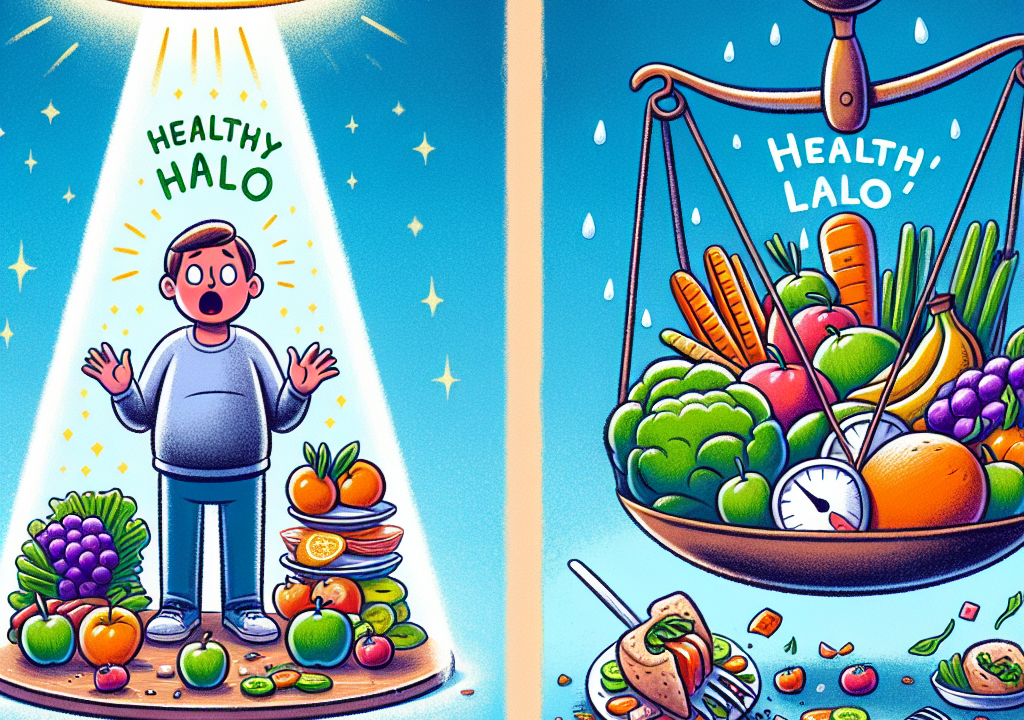
The “Healthy Halo” Effect: How Labels Trick You Into Overeating
Unlock the secret behind the “Healthy Halo” effect that’s making you overeat without realizing it! Discover how cleverly designed labels trick your mind into consuming more than you should. Dive into our blog to learn how to outsmart these marketing strategies and make healthier food choices effortlessly. Start eating smarter today!

The Grocery Store Trap: Why You Buy More When You Shop Hungry
Ever walked into a grocery store intending to buy just a few items, only to leave with a cart full of snacks and treats? Discover the psychology behind “The Grocery Store Trap” and learn why shopping on an empty stomach could be inflating your expenses. Uncover strategies to shop smarter and save more today!
