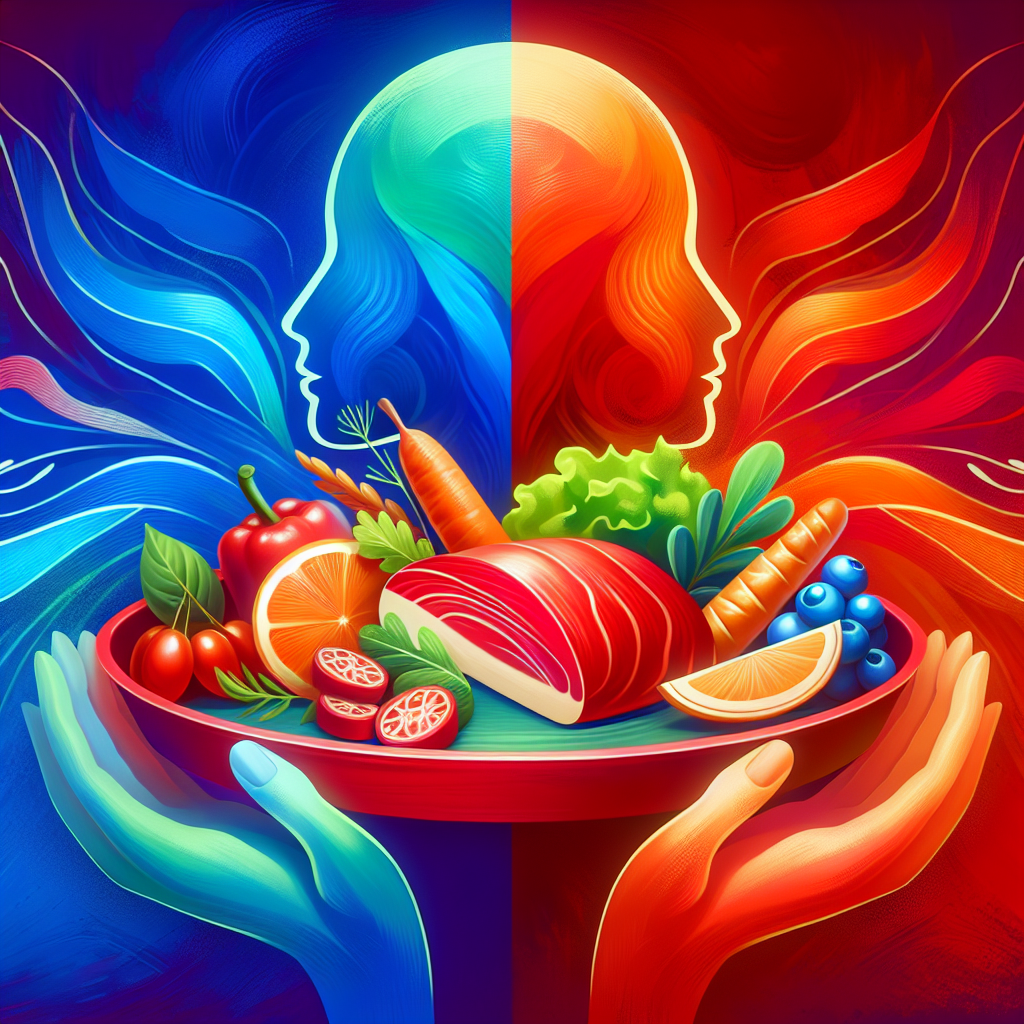
Certainly! Here’s the revised content with enhanced readability and structure:
—
## The Color Psychology of Food: Why Red Plates Increase Appetite
When setting the table, most of us tend to focus on selecting the best cutlery or finding the perfect beverage pairings. However, the color of dinnerware often goes unnoticed, despite its significant impact on our perception of food. Remarkably, red plates can increase appetite, an intriguing phenomenon explained by the field of color psychology.
### Understanding Color Psychology
Color psychology explores how different hues affect emotions and behaviors. It’s widely utilized in marketing, design, and culinary arts due to its influence on perceptions. For instance, fast-food chains often use red and yellow in their branding because these colors stimulate appetite and prompt quick decision-making. Dr. Karen Hill, a renowned psychologist, states, “Colors like red evoke passion and energy, enhancing dining experiences.”
### The Appetite-Stimulating Power of Red
Both scientific studies and anecdotal evidence support the idea that red increases appetite. The vibrant nature of red is associated with accelerating metabolism and heart rate, which can trigger hunger and thirst. Additionally, red enhances food visibility, making dishes look more appealing and creating a sense of urgency and craving. Remarkably, serving meals on a red plate can even enhance taste perception, making the dining experience more enjoyable.
In a 2022 study led by the University of Chicago, researchers found that participants consumed 20% more food when it was served on red plates compared to white ones.
### Contrast and Focus: The Role of Red Plates
Another factor is how color contrast impacts food presentation. Vibrant red plates sharply contrast with most food colors, making dishes appear more vivid and enticing. This contrast draws focus to the meal rather than a neutral setting, where food might blend in. Red plates can make portions look larger, which might seem counterproductive but actually stimulates a desire to savor every bite.
### The Social and Cultural Context of Red
The influence of color extends beyond psychology into cultural realms. In many cultures, red symbolizes celebration and joy, making dishes on red plates subconsciously linked to prosperity. Consequently, red heightens the dining experience, especially at family gatherings or parties. It encourages interaction and vibrancy, adding to the enjoyment of the occasion. Culinary expert Chef Anthony Ray notes, “Red brings a festive and inviting atmosphere that enhances social dining.”
### Practical Applications for the Food Industry
For the food industry, using red plates can be a simple yet effective strategy. Restaurants and caterers looking to boost food appeal might benefit significantly from swapping their white dinnerware for red options. Such a change can positively impact customer satisfaction and sales. According to the Journal of Culinary Science, “Switching to red plates could increase diner satisfaction by up to 30%.”
Even home cooks can incorporate red plates for dinners or festive meals, encouraging guests to enjoy second helpings and creating memorable experiences.
### Balancing the Effects of Red Plates
While red plates offer benefits, balance is crucial. Overusing red may overwhelm and detract from a relaxing dining experience. For a more calming atmosphere, colors like greens or blues are preferable. For those managing intake or appetite, avoiding red plates might help prevent overeating by making food less appealing.
### Beyond Red: Exploring Other Colors in Dining
Though red excels in increasing appetite, other colors also influence the dining experience. Blue tends to suppress appetite and promote tranquility, while yellow and orange invigorate but are less impactful than red. Understanding these dynamics allows diners, hosts, and professionals to create desired atmospheres, making dining a holistic sensory encounter.
### Conclusion: Harnessing the Power of Color in Dining
In conclusion, the subtle art of choosing dishware colors significantly impacts dining experiences. Red plates are known to increase appetite, enhance meals, and transform dining into a celebration. By leveraging insights from color psychology, we can create meals that not only please the palate but also stimulate all the senses. So next time you set the table, consider harnessing the power of color and try using a red plate to potentially elevate your dining experience.
—
Related posts
How Lighting in Your Kitchen Impacts Portion Control
Transform your kitchen into a haven of wellness with the right lighting! Discover how strategically placed lighting can subconsciously encourage healthier portion control. Say goodbye to oversized servings and hello to mindful eating. Ready to illuminate your path to better health? Dive into our guide and revolutionize your dining experience today!
The Science of Food Pairing: Why Certain Combos Feel Addictive
Unlock the culinary secrets behind addictive flavor combinations! Delve into The Science of Food Pairing and discover why certain combos captivate our taste buds. From the savory allure of cheese and wine to the sweet perfection of chocolate and strawberries, learn how to effortlessly elevate your dining experiences with scientifically proven pairings.
