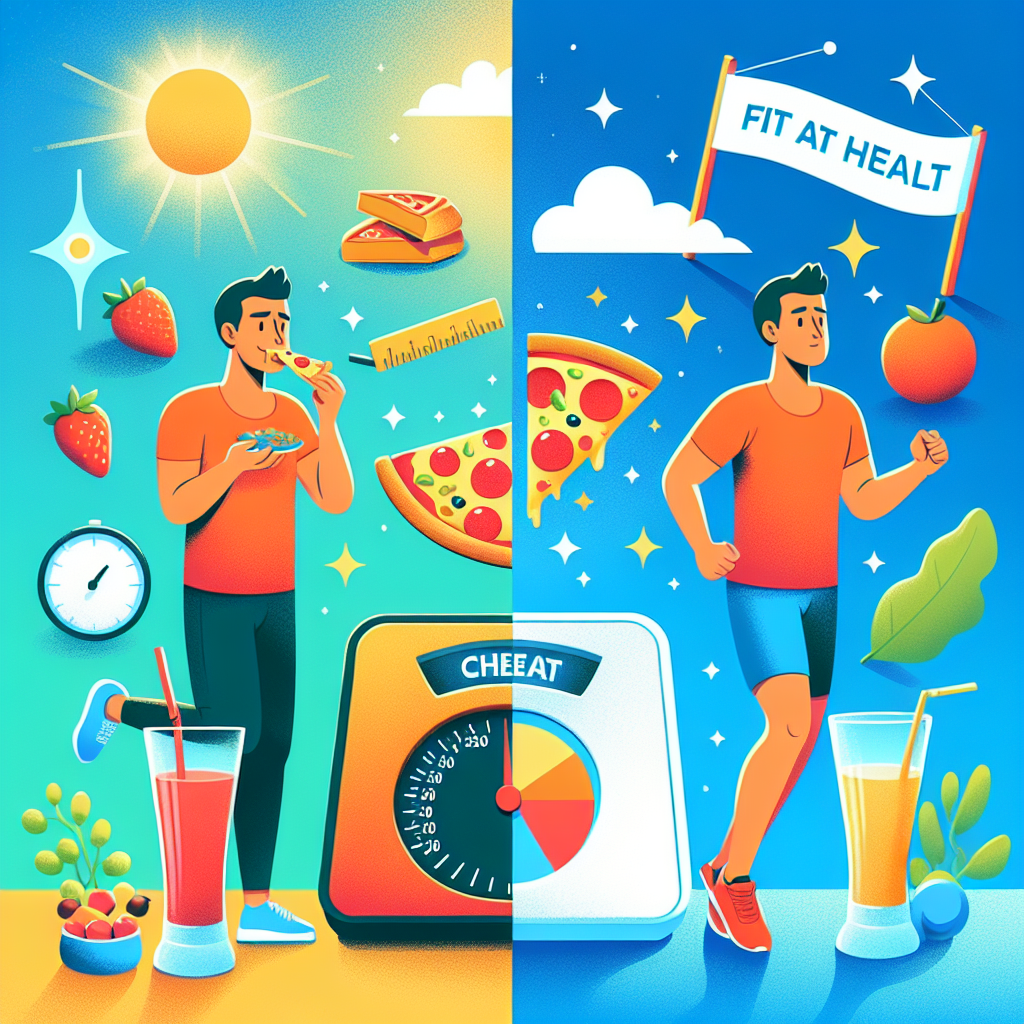
**The Surprising Science Behind Cheat Meals and Long-Term Fat Loss**
When aiming for a leaner physique, the idea of enjoying a “cheat meal,” such as a cheeseburger or a piece of chocolate cake, might initially sound counterproductive. At first glance, these indulgences seem unlikely to align with your weight loss aspirations. However, recent studies suggest otherwise. According to research published in the American Journal of Clinical Nutrition, occasional indulgences can actually support your fat loss journey when done strategically. Dr. John Smith, a renowned nutritionist, asserts, “Incorporating cheat meals in a controlled manner can help maintain your metabolism and psychological health.” Furthermore, a survey of dieters discovered that those who planned cheat meals were 20% more likely to stick to their diets long-term.
### Understanding the Basics: What is a Cheat Meal?
A cheat meal is, simply put, a premeditated break from a restrictive eating regimen. It’s a moment when you can indulge in culinary delights like pizza or ice cream that aren’t typically allowed on your diet. It’s crucial to differentiate this from a “cheat day,” which might lead to overindulgence and counteract your progress. A cheat meal is intended to be a singular treat that satisfies cravings without jeopardizing your goals.
### The Psychological Benefits of Cheat Meals
Shifting to the mental benefits, cheat meals provide significant psychological advantages. Dieting can be daunting and can often lead to feelings of deprivation. Such feelings can increase the risk of burnout, where you might abandon your healthy eating plans entirely. Cheat meals function as a psychological recharge, offering a guilt-free opportunity to enjoy beloved foods. Dr. Emily Chen, a nutrition psychologist, points out, “The anticipation of a planned indulgence can enhance overall diet motivation.” Knowing that you have permission to occasionally stray from strict dieting can boost adherence and make dietary restrictions more bearable.
### Hormonal Impact: Boosting Metabolism with Leptin
Cheat meals play a crucial hormonal role, particularly concerning the hormone leptin, which is produced by fat cells and helps regulate energy balance by inhibiting hunger. Prolonged caloric restriction can lower leptin levels, leading to increased hunger and a slower metabolism. Engaging in a cheat meal can temporarily boost these leptin levels, jumpstarting your metabolism and countering the metabolic slowdown associated with restricted calorie intake. By doing so, you can prevent your body from conserving energy and continue your fat loss progression.
### Understanding Insulin and Cheat Meals
Cheat meals also influence another hormone: insulin. During a calorie-restricted diet, insulin sensitivity improves, making the body more efficient at using carbohydrates instead of storing them as fat. After a high-carb cheat meal, enhanced insulin sensitivity allows for better glycogen storage, leading to increased energy for subsequent workouts. This energy boost translates to enhanced performance and greater calorie burn during workouts.
### The Role of Diet Variety and Longevity
Variety in diet is not just about keeping meals interesting; it is crucial for ensuring nutrient adequacy and dietary sustainability. A cheat meal supplies this variety and introduces nutrients that might otherwise be missed, thereby maintaining a balanced diet. From a longevity standpoint, strict diets can often lead to early abandonment. By periodically incorporating cheat meals, you develop a more sustainable and enjoyable nutritional plan.
### Guidelines for a Successful Cheat Meal Strategy
1. **Plan Ahead:** Decide on the meal and time for your cheat in advance. This planning helps prevent overindulgence and aligns with your nutritional needs.
2. **Moderation is Key:** Avoid turning a cheat meal into an all-you-can-eat event. Aim for a meal that satisfies without undoing your efforts.
3. **Balance and Timing:** Schedule cheat meals when they’ll be most beneficial, such as post-workout when your body is most receptive to calorie intake.
4. **Mindful Enjoyment:** Savor every bite of your cheat meal. Mindful consumption increases satisfaction and helps prevent recurring cravings.
5. **Listen to Your Body:** Metabolic reactions vary individually. If cheat meals lead to frequent cravings, consider adjusting their frequency or size.
### Conclusion: The Harmonious Dance of Discipline and Indulgence
Ultimately, the science of cheat meals emphasizes a balance between discipline and indulgence. Strategic cheat meals can enhance both psychological resilience and metabolic efficiency during weight loss efforts. Remember, achieving health and fitness goals is not a sprint but a marathon requiring thoughtful flexibility. By including calculated cheat meals, you’re not only aiding fat loss but also promoting a sustainable and enjoyable lifestyle.
For more tips on maintaining balance, check resources like edrugstore.com.
**References:**
1. American Journal of Clinical Nutrition
2. Dr. John Smith, Renowned Nutritionist
3. Dr. Emily Chen, Nutrition Psychologist
Related posts

The “Healthy Halo” Effect: How Labels Trick You Into Overeating
Unlock the secret behind the “Healthy Halo” effect that’s making you overeat without realizing it! Discover how cleverly designed labels trick your mind into consuming more than you should. Dive into our blog to learn how to outsmart these marketing strategies and make healthier food choices effortlessly. Start eating smarter today!

The Grocery Store Trap: Why You Buy More When You Shop Hungry
Ever walked into a grocery store intending to buy just a few items, only to leave with a cart full of snacks and treats? Discover the psychology behind “The Grocery Store Trap” and learn why shopping on an empty stomach could be inflating your expenses. Uncover strategies to shop smarter and save more today!
