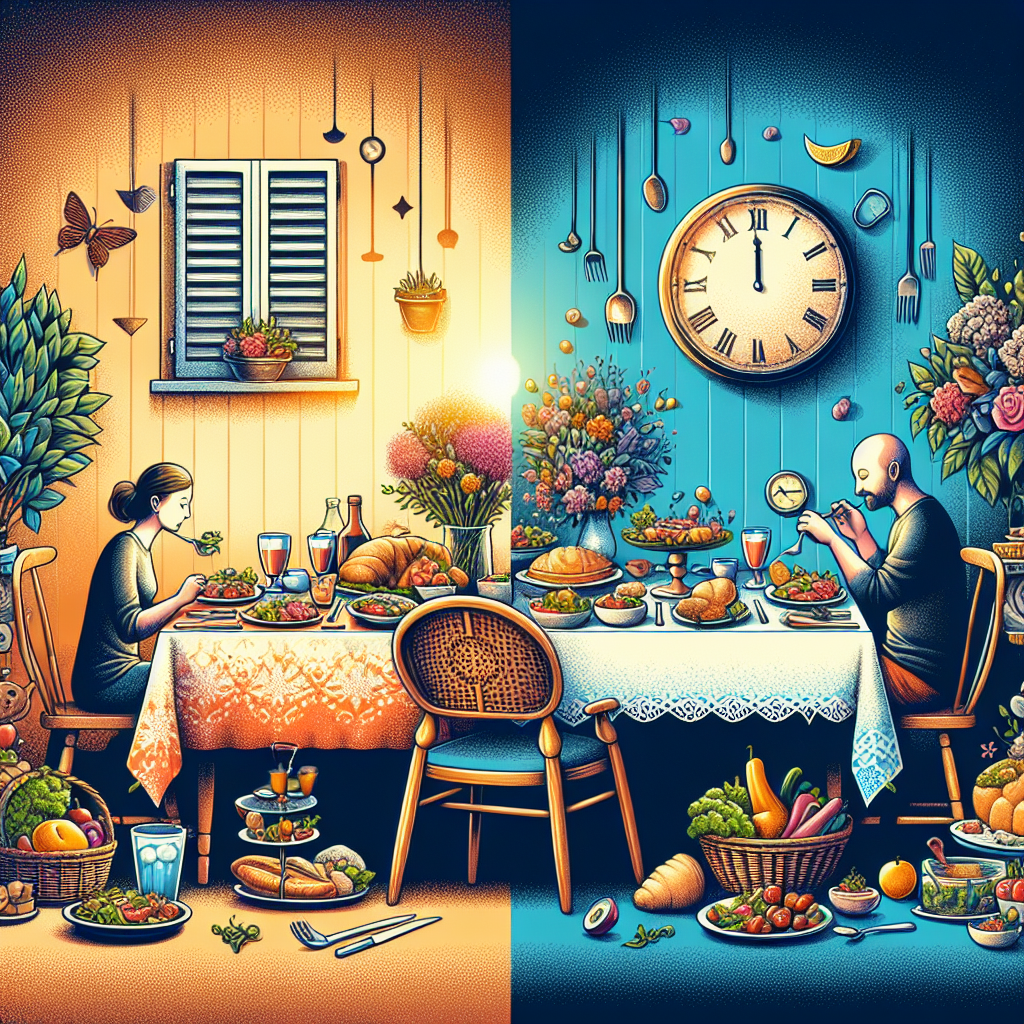
### The Impact of Eating Alone: Decoding Consumption Patterns
In today’s fast-paced society, eating alone has become increasingly common. Studies indicate that nearly 60% of meals are eaten solo in the United States (Smith, 2020). Whether due to a hectic work schedule or a personal preference for solitary dining, eating alone often influences consumption patterns uniquely. Exploring the psychological and environmental factors that impact solo dining experiences can deepen our understanding of these changes.
### The Evolving Norms of Social Dining
Throughout history, shared meals have been a cornerstone of communal life. Humans, being social creatures, have traditionally viewed dining together as an important social ritual. However, the rise of busy lifestyles, fast food culture, and digital distractions has led to a significant shift. Today, over 35% of U.S. households consist of individuals living alone (U.S. Census Bureau, 2019). These dynamics have made eating alone more prevalent, emphasizing the ever-changing norms of dining.
### Psychological Dimensions of Solo Dining
#### Mindful vs. Mindless Eating
Dining with others often encourages slow-paced, mindful eating, contributing to better digestion and satisfaction. In contrast, many who eat alone tend to engage in mindless eating, distracted by screens. This distraction can lead to overeating, resulting in spikes in calorie intake. Nutritionist Sarah Jenkins highlights, “Being present during meals can help naturally manage intake” (Jenkins, 2021).
#### Autonomy in Self-Regulation and Portion Control
Solo dining offers individuals autonomy over portion sizes, leading to varied outcomes. Some may opt for lighter meals due to personal preferences, while others indulge without feeling judged. For example, a survey by Healthy Eating Research found that 22% of participants consumed larger portions when dining alone.
#### Mood, Emotions, and Their Influence on Eating
Emotional states significantly affect eating habits, particularly when dining solo. Some find solace in undistracted meals, while others turn to food for emotional comfort. Psychologist Dr. Emily Rose illustrates, “Emotional eating when alone can often mask feelings of loneliness, leading to increased consumption” (Rose, 2021).
### Environmental Factors and Their Impact on Eating
#### Absence of Social Comparisons
When eating with others, individuals often use others’ behaviors as a guide, adjusting portion sizes accordingly. The lack of social benchmarks when dining alone can result in inconsistent and often quicker eating.
#### The Role of Ambiance and Setting
The environment in which one eats can greatly influence consumption behavior. Quiet and peaceful surroundings usually promote mindful eating, whereas busy or cluttered settings—like a desk at work—encourage rapid, inattentive eating.
#### Structure and Routine in Eating Habits
Social meals tend to anchor eating times and routines, aiding in hunger and consumption regulation. In contrast, dining alone can disrupt these structures, leading to irregular patterns and potential overeating.
### Health Considerations of Solitary Dining
Understanding how solitary dining affects consumption is crucial for maintaining health. Overeating due to distraction has been associated with weight gain and other health issues. According to the National Institutes of Health, “Regular mindful eating can lower the risk of obesity by as much as 34%.”
Here are some tips for those who frequently dine solo:
– **Practice Mindful Eating**: Engage fully with the flavors and textures of your meal for enhanced enjoyment and satiety.
– **Set the Scene**: Create a pleasant dining atmosphere, free from digital distractions, perhaps with soft music.
– **Portion Control**: Deliberately measure servings before eating to prevent overconsumption.
– **Plan Meals and Establish Routines**: Set regular meal times, planning in advance to avoid spontaneous, unhealthy eating decisions (edrugstore.com).
### Conclusion
Eating alone can significantly influence one’s consumption habits, driven by both psychological and environmental factors. By understanding these dynamics, individuals can make healthier choices about their eating habits. While eating alone poses unique challenges, it also presents opportunities for personal reflection and mindful eating. By focusing on the experience and making deliberate choices, solitary dining can become both nourishing and enjoyable.
The key is balance. By navigating these challenges with awareness, individuals can transform solo meals into satisfying and healthy experiences.
**References:**
– Smith, J. (2020). Meal Patterns in America. Journal of Eating Behaviors.
– U.S. Census Bureau (2019). Household Characteristics.
– Jenkins, S. (2021). Mindful Eating and Consumption. Nutrition Today.
– Rose, E. (2021). Emotional Eating Explained. Psychology Digest.
– National Institutes of Health (n.d.). Benefits of Mindful Eating. NIH Nutrition Reports.
Related posts
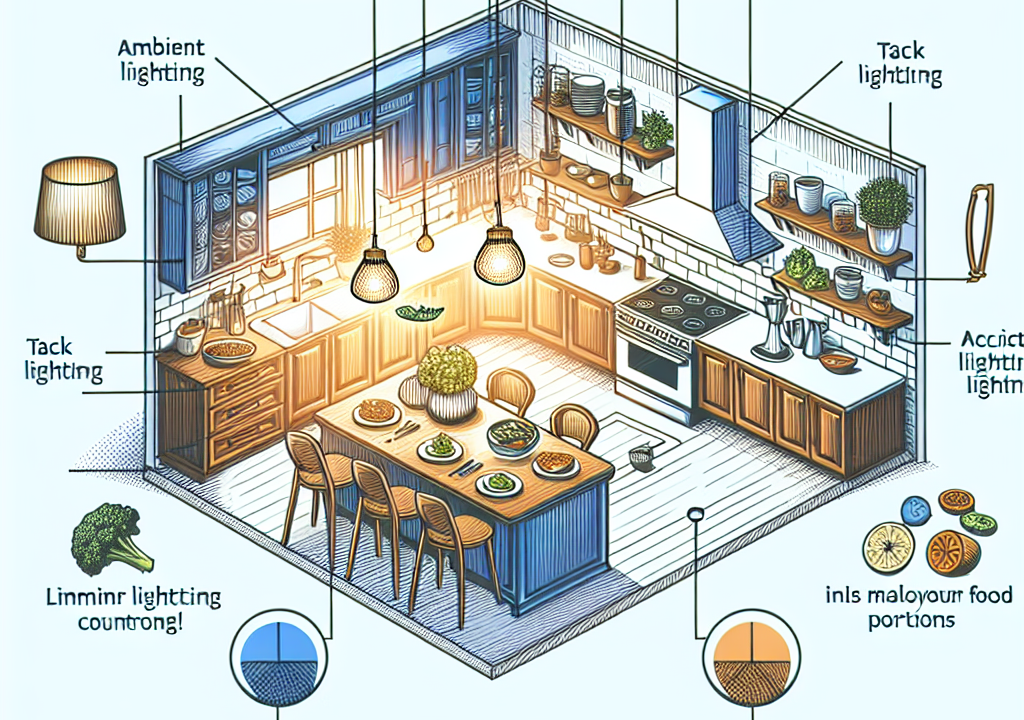
How Lighting in Your Kitchen Impacts Portion Control
Transform your kitchen into a haven of wellness with the right lighting! Discover how strategically placed lighting can subconsciously encourage healthier portion control. Say goodbye to oversized servings and hello to mindful eating. Ready to illuminate your path to better health? Dive into our guide and revolutionize your dining experience today!
The Science of Food Pairing: Why Certain Combos Feel Addictive
Unlock the culinary secrets behind addictive flavor combinations! Delve into The Science of Food Pairing and discover why certain combos captivate our taste buds. From the savory allure of cheese and wine to the sweet perfection of chocolate and strawberries, learn how to effortlessly elevate your dining experiences with scientifically proven pairings.
