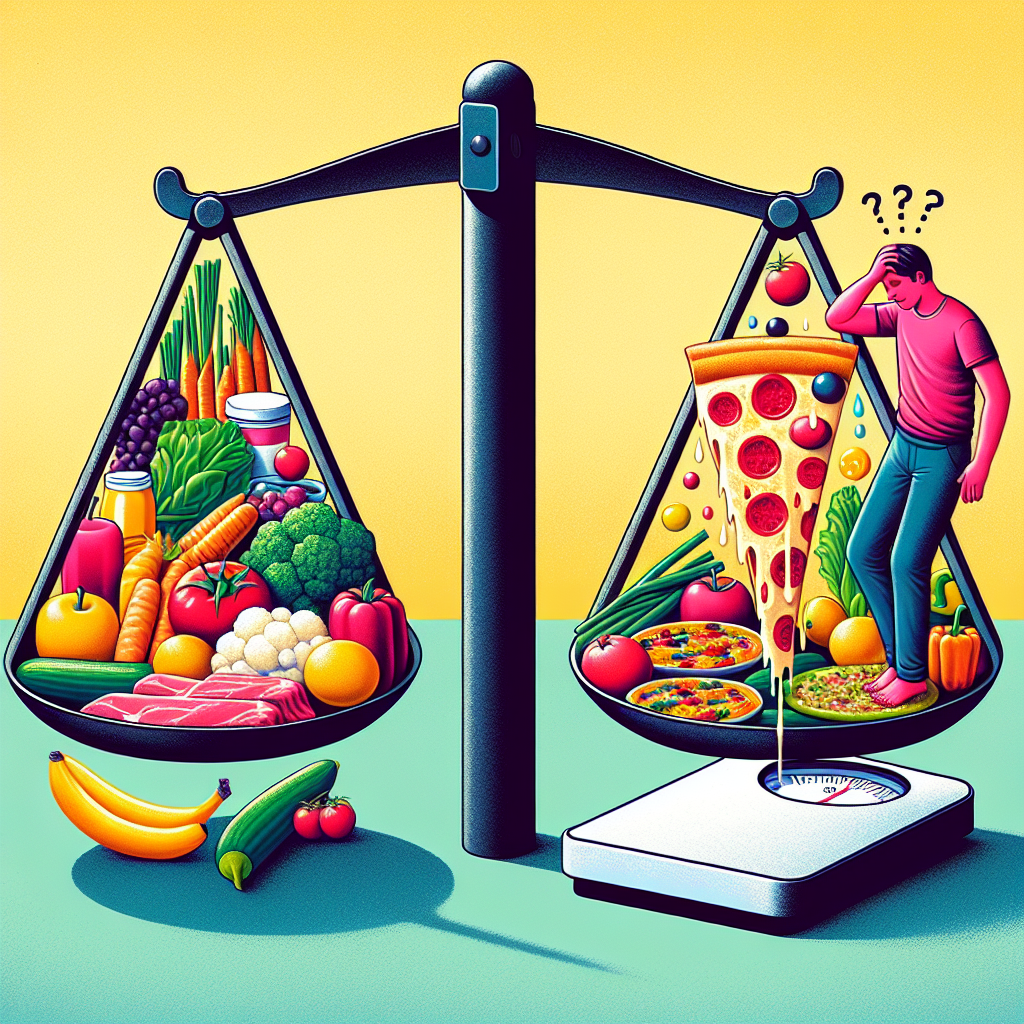
## Weight Fluctuation: What Happens After a Cheat Meal?
If you’ve ever enjoyed a cheat meal only to find the scale showing a weight increase the next day, you’re not alone. This common occurrence can be frustrating, especially when you’ve kept track of your weekly caloric intake and remained within your targets. So, why does this happen, and what steps can you take to handle it? Let’s explore the science and psychology behind why weight gain might occur after a cheat meal, even if your weekly calorie intake is on target.
### The Science Behind Short-Term Weight Fluctuations
#### Water Retention: The Sodium and Carbohydrate Factor
A sudden weight increase after a cheat meal often results from water retention. Many cheat meals are rich in sodium and carbohydrates. When you consume excess sodium, your body retains water to balance the increased sodium content. Dr. Susan Roberts, a nutritionist at Tufts University, explains, “Sodium’s role in fluid balance is crucial, and overindulgence can lead to noticeable water weight gain.” Remember, this retained water adds pounds on the scale overnight but does not equate to fat gain.
Carbohydrates are stored in your muscles and liver as glycogen, requiring water for storage. For each gram of glycogen stored, your body holds approximately three grams of water. A high-carb cheat meal can cause temporary weight gain due to increased glycogen and water storage. A study published in the Journal of Physiology found that glycogen and water storage can lead to a temporary weight increase of up to two pounds.
#### Digestive Volume: Impact on Digestion
Larger meals contribute to more food in your digestive system, adding physical weight until the food is fully processed and eliminated. Cheat meals often involve heavier, more caloric foods that take longer to digest. For instance, a large pizza might take 24-72 hours to be fully digested, adding to your weight simply by being present in your system.
### Psychological Effects of Cheat Meals
#### Guilt and Stress: Navigating Emotional Responses
Eating a cheat meal can evoke feelings of guilt and stress, especially if you’re committed to a strict diet. These feelings might lead to stress-eating cycles. The American Psychological Association highlights that stress releases cortisol, a hormone linked to increased appetite and potential weight gain. Guilt can heighten your awareness of temporary weight changes, magnifying psychological impacts more than actual physical changes.
### Long-Term Implications
#### Maintaining Weekly Caloric Balance
In the long run, weight gain or loss hinges on long-term caloric balance rather than short-term fluctuations. Experts from the Mayo Clinic suggest that if your weekly caloric intake aligns with your goals, any temporary increase on the scale is just that—temporary. Consistent caloric deficits over weeks and months lead to weight loss despite occasional daily weight spikes.
#### Metabolic Implications of Overfeeding
For some, occasional indulgence in cheat meals can increase metabolism due to the thermic effect of food (TEF), where the body burns calories processing food. Research from the American Journal of Clinical Nutrition indicates that TEF can vary among individuals based on metabolic rates and meal composition, potentially boosting metabolism by around 5-10%.
### Tips for Managing Cheat Meals
#### Plan and Balance: Strategic Meal Timing
To mitigate cheat meal effects, plan them around your regular meals. If anticipating a rich dinner, consider lighter meals during the day to maintain your overall calorie intake. Integrating the cheat meal into your weekly calorie budget instead of restricting it to a single day is also beneficial.
#### Stay Hydrated: Combat Water Retention
Drinking adequate water helps counteract water retention from high-sodium meals. Proper hydration aids in flushing excess sodium from your system, minimizing weight fluctuation. Dr. Michael Greger emphasizes, “Proper hydration supports the body’s natural detoxification processes,” crucial in such scenarios.
#### Focus on Moderation: Reframe Your Perspective
Reframe “cheat meal” as a “treat meal” and focus on moderation rather than indulgence. Approaching these meals with enjoyment in mind without excess can minimize the dietary impact.
### Conclusion: Embrace the Journey
Weight fluctuations are part of the dietary journey, especially with cheat meals involved. Understanding the science behind these changes can ease the mental burden they sometimes bring. Remember, the scale is one measure of progress and not an absolute reflection of your health or success. Embracing a balanced lifestyle with occasional indulgence is crucial for sustainability and long-term success. With this understanding, you can enjoy that slice of pizza or dessert, knowing it’s a step in the broader journey of maintaining a healthy, balanced life.
### References
– American Psychological Association. “Stress and Eating.” [apa.org](https://www.apa.org)
– American Journal of Clinical Nutrition. “Thermic Effects of Food.” [ajcn.nutrition.org](https://ajcn.nutrition.org)
– Mayo Clinic. “Understanding Calories.” [mayoclinic.org](https://www.mayoclinic.org)
– Tufts University. “The Role of Sodium in Fluid Balance.” [tufts.edu](https://www.tufts.edu)
For advice on managing diet-related stress and cortisol levels, explore resources on edrugstore.com.
Related posts

The “Healthy Halo” Effect: How Labels Trick You Into Overeating
Unlock the secret behind the “Healthy Halo” effect that’s making you overeat without realizing it! Discover how cleverly designed labels trick your mind into consuming more than you should. Dive into our blog to learn how to outsmart these marketing strategies and make healthier food choices effortlessly. Start eating smarter today!

The Grocery Store Trap: Why You Buy More When You Shop Hungry
Ever walked into a grocery store intending to buy just a few items, only to leave with a cart full of snacks and treats? Discover the psychology behind “The Grocery Store Trap” and learn why shopping on an empty stomach could be inflating your expenses. Uncover strategies to shop smarter and save more today!
