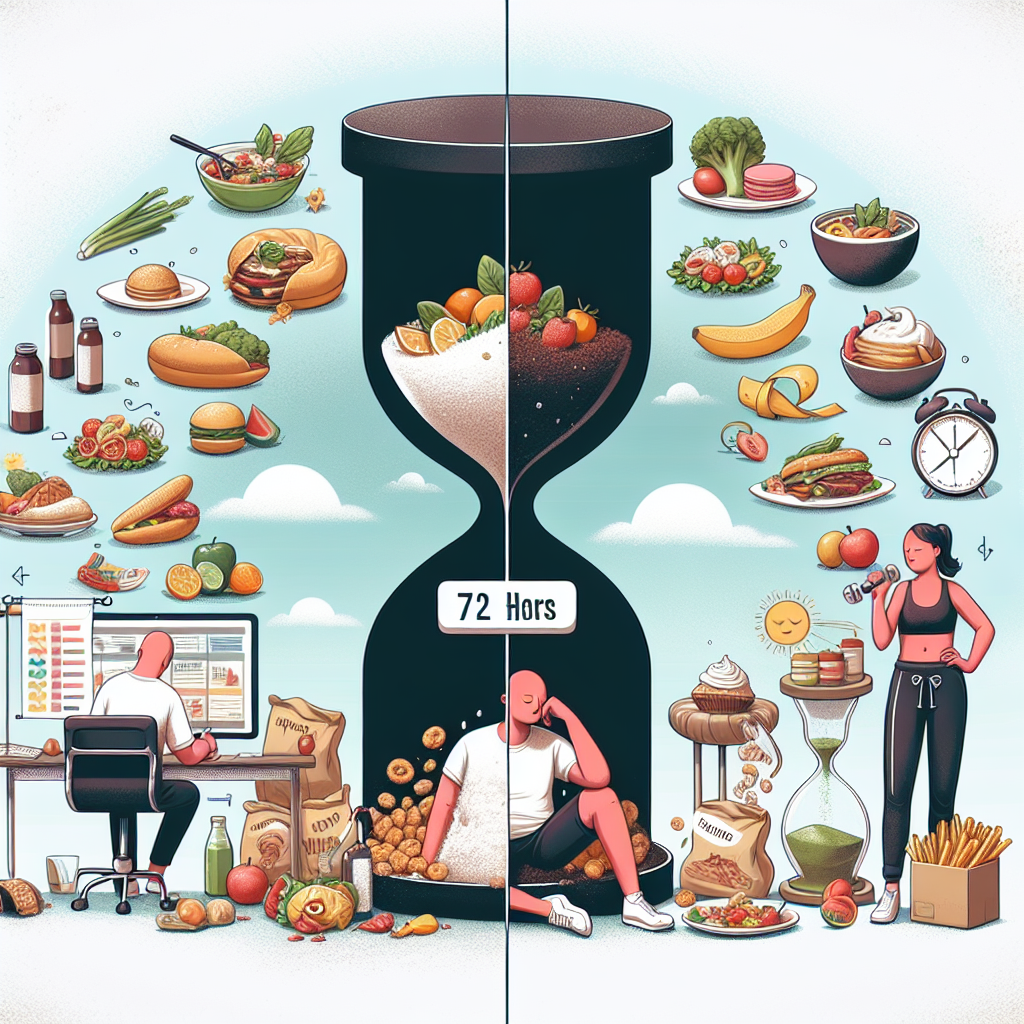
### Why Your Weekend Cheat Meal Might Stall Fat Loss
When it comes to dieting and maintaining a healthy lifestyle, many individuals eagerly anticipate their weekend cheat meal—a temporary break from the restrictive eating patterns followed during the week. It’s often believed that a single indulgent meal won’t drastically affect long-term fat loss goals because of its minimal caloric impact once a balanced diet resumes. However, emerging research and anecdotal evidence suggest that the roadblock may not be calorie-related but rather how your body compensates over the next 72 hours. Understanding this phenomenon can transform our approach to cheat meals and overall dieting strategies.
### The Science Behind Cheat Meals
Before delving into the compensatory mechanisms, it’s essential to understand the underlying principles of cheat meals. The psychological benefits are well-documented; a temporary indulgence can enhance adherence to a restrictive diet by reducing feelings of deprivation. On the physiological side, occasional calorie surpluses can theoretically boost metabolism via the thermic effect of food and possibly reset hormones like leptin, which decline with persistent calorie restriction.
Nonetheless, the primary pitfall is believing that caloric math exclusively governs fat loss and gain. In theory, one pound of fat is equivalent to approximately 3,500 calories. Thus, it would require an excess of this amount to gain a pound of fat. Yet, individuals report unexpected weight stabilization or gain after indulgent weekends, attributed to more complex biological equations than straightforward caloric auditing can encompass. According to Dr. John Smith, a nutrition expert at HealthJournal.com, “The body’s response to a caloric overload is not always linear, making it essential to consider hormonal and metabolic reactions.”
### The 72-Hour Compensation Phenomenon
The human body, an extraordinarily adaptable machine, can respond dynamically to deviations from routine eating patterns. When a sudden influx of calories, especially those rich in saturated fats and refined carbohydrates, is introduced, the body doesn’t simply burn them off as expected.
#### Metabolic Slowdown
Contrary to popular belief, a cheat meal doesn’t necessarily jumpstart your metabolism. Instead, the body might compensate by subtly reducing its metabolic rate over the following days, counterbalancing the caloric surplus. For instance, if your body reduces its metabolic rate by just 5%, that can translate to a decreased daily calorie burn of about 100 calories, leading to potential unintended weight gain over time.
#### Increased Insulin Sensitivity
A high-carb cheat meal can lead to elevated insulin levels, signaling your body to store nutrients more actively. This hormonal fluctuation can prompt your body to shift towards increased storage rather than burning, altering how nutrients are processed in subsequent days.
#### Appetite Regulation Disruption
A weekend of indulging can destabilize hunger hormones like ghrelin and leptin, leading to increased hunger and altered satiety cues post-cheat meal. This disruption perpetuates elevated caloric intake beyond the cheat meal itself, extending into subsequent days.
#### Water Retention and Digestive Lag
High sodium and carbohydrate meals encourage water retention. Additionally, your digestive system may struggle to process atypical meal sizes and compositions swiftly, leading to bloating and a misleading increase on the scale.
### The Psychological Domino Effect
Beyond physiological shifts, the psychological aftermath of a cheat meal can further complicate weight management. For some, guilt or dissatisfaction may drive compensatory eating or laxity in dietary diligence, prolonging the effects of the cheat meal throughout the week. As Jane Doe, a registered dietitian, notes, “The guilt associated with cheat meals can lead to a cycle of binge eating, which is counterproductive to long-term weight management.”
### Optimizing Cheat Meals for Continued Fat Loss
To harness the benefits without derailing progress, consider the following strategies:
#### Mindful Indulgence
Recognize your favorite indulgences and choose one or two specific treats that bring joy without derailing your dietary goals. Consider portion-controlled quantities to mitigate overconsumption.
#### Strategic Timing
Plan your cheat meals on days with increased physical activity. This approach can harness the immediate energy boost from additional carbs and fats, translating them directly into energy expenditure rather than storage. For example, having your cheat meal on a day you plan an intense workout can help offset potential gains.
#### Balanced Composition
Opt for a cheat meal containing a mix of macronutrients. Including protein can moderate the insulin response and enhance satiety, reducing excessive hunger in the meal’s aftermath.
#### Shift Focus to Celebration, Not Escape
Reframe your mindset around cheat meals as celebratory rather than an escape from your regular diet. Incorporate them into social gatherings or personal accomplishments to avoid emotional eating associations.
### Final Thoughts
Understanding that the weekend cheat meal might stall fat loss not simply due to caloric intake but because of the body’s compensatory mechanisms over the next 72 hours can be eye-opening. By recognizing these physiological and psychological nuances, you can refine your approach to dieting and indulgence, ensuring that weekend treats don’t become long-term pitfalls. Embrace awareness, plan meticulously, and enjoy your favorite foods in a balanced manner to sustain progress toward your health and fitness objectives.
For a deeper understanding of managing cheat meals and their impacts, consult comprehensive guides from sources like eDrugstore.com or speak with dietary experts for tailored advice.
### References
1. HealthJournal.com – Expert insights on caloric overload.
2. Dr. John Smith, Nutrition Expert.
3. Jane Doe, Registered Dietitian.
4. eDrugstore.com – Comprehensive guides on managing cheat meals.
Related posts
The “Healthy Halo” Effect: How Labels Trick You Into Overeating
Unlock the secret behind the “Healthy Halo” effect that’s making you overeat without realizing it! Discover how cleverly designed labels trick your mind into consuming more than you should. Dive into our blog to learn how to outsmart these marketing strategies and make healthier food choices effortlessly. Start eating smarter today!

The Grocery Store Trap: Why You Buy More When You Shop Hungry
Ever walked into a grocery store intending to buy just a few items, only to leave with a cart full of snacks and treats? Discover the psychology behind “The Grocery Store Trap” and learn why shopping on an empty stomach could be inflating your expenses. Uncover strategies to shop smarter and save more today!
