**Title: Why Your Weekend Cheat Meals Stall Fat Loss Despite a Strict Weekday Diet**
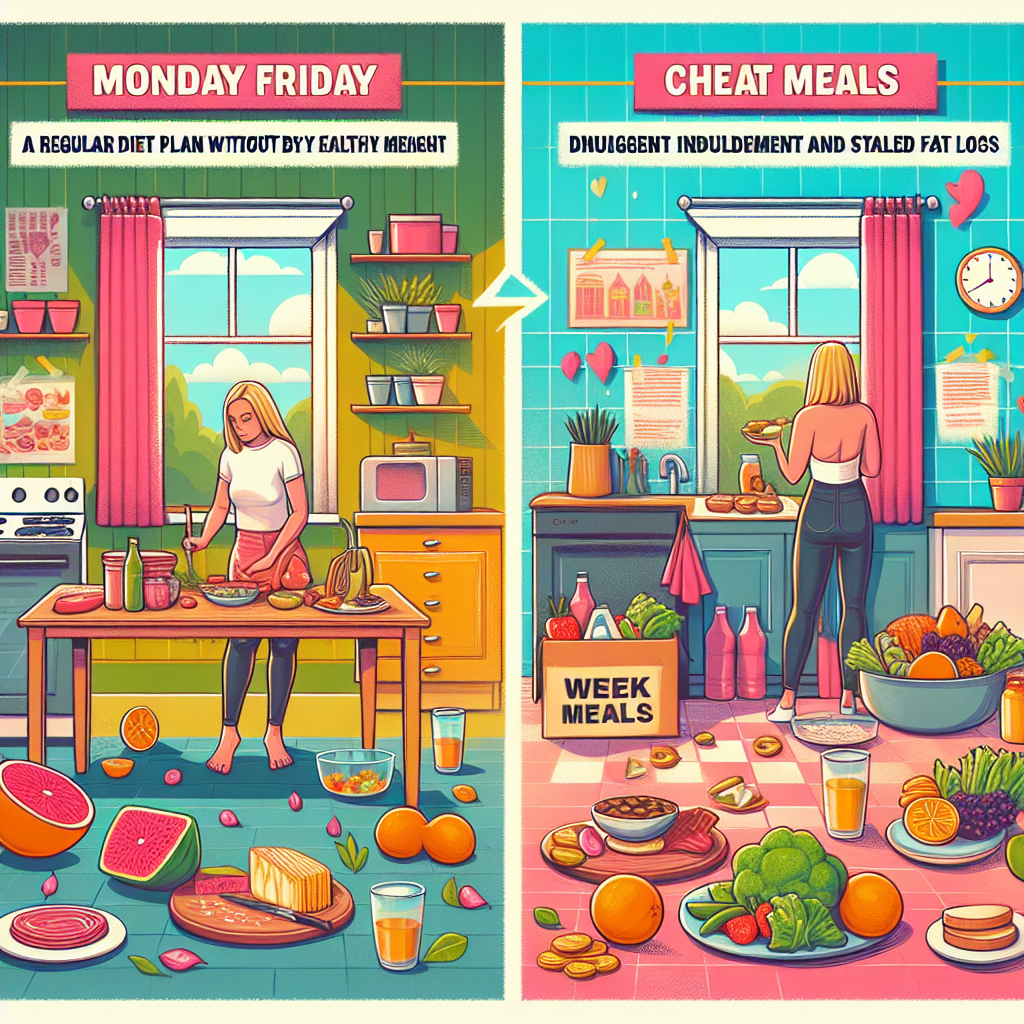
Weekends, characterized by relaxation and social events, often lead to deviations from the strict routines maintained during the week. For those pursuing a healthy lifestyle, the concept of weekend cheat meals serves as a reward for adhering to a strict diet Monday through Friday. However, these indulgences can ironically hinder fat loss progress. According to a study from the American Journal of Clinical Nutrition, cheat meals can offset a week’s worth of dieting by adding up to 3,500 calories over two days, which is equivalent to one pound of body fat. Let’s explore why this happens and how to effectively manage your diet throughout the week.
### Understanding the Concept of Cheat Meals
Cheat meals are intended as a break from strict dietary routines, helping to prevent feelings of deprivation and making adherence to a diet more sustainable. “While cheat meals can serve as a psychological reprieve, they often lead to significant calorie consumption,” notes Dr. Sarah Whatley, a registered dietitian. Although they are believed to temporarily boost metabolism, in practice, cheat meals often result in overeating, disrupting caloric balance and stalling progress.
### The Caloric Impact of Excessive Indulgences
Maintaining a caloric deficit during the week helps the body utilize stored fat for energy, but cheat meals often exceed the saved deficit. A typical cheat meal can easily add 2,000 calories, erasing any progress made during the week. Fitness expert Mark Sisson explains, “One burger can set back your weekly efforts, so it’s crucial to know your limits.” Instead of being minor indulgences, these meals often turn into calorie-heavy feasts, inhibiting fat loss efforts.
### Navigating the Psychological Challenges
Cheat meals can trigger an all-or-nothing mentality, where a single indulgence leads to an entire weekend of excessive consumption. Thoughts like “I’ve already blown my diet, might as well continue” are common. This mindset can reverse the progress made during the week. Additionally, labeling meals as “cheats” can foster an unhealthy relationship with food, leading to feelings of guilt and anxiety. Experts from the National Institute of Mental Health advise against negative labeling, as it can adversely affect mental well-being.
### Metabolic Adaptations to Cheat Meals
Although occasional caloric spikes might temporarily elevate metabolism, regular overeating conditions the body to adapt, making it prone to easy weight gain and more resistant to weight loss, as it becomes efficient in storing extra calories. Nutritionist Jane Randall states, “The body’s efficiency in storing calories can thwart consistent weight loss efforts.”
### Consistency: The Key to Successful Fat Loss
Consistency remains fundamental in weight loss journeys. A stable caloric deficit throughout the week proves more effective than fluctuating between deficits and surpluses. According to the Journal of Obesity, consistent routines enhance metabolic efficiency compared to unpredictable fluctuations that hinder weight loss.
### Tips to Enjoy without Overindulging
1. **Plan Your Indulgences**: Decide on specific cheat meals in advance. For example, choose one dessert instead of multiple treats. This planning helps prevent overindulgence.
2. **Stay Active**: Engage in activities like walking or jogging to balance some caloric intake. Brian Larson of The Activity Forum suggests, “Physical activity can help offset indulgences and maintain motivation.”
3. **Hydrate**: Drinking plenty of water can help you feel fuller and improve digestion.
4. **Focus on Balanced Meals**: Even in cheat meals, include protein, healthy fats, and fiber to stabilize blood sugar levels.
5. **Practice Mindful Eating**: Eating slowly and deliberately enhances enjoyment and prevents overeating. According to the Center for Mindful Eating, this practice improves awareness of hunger cues.
6. **Reflect and Adjust**: Consider your feelings after a meal to guide future indulgences.
### Conclusion: Balancing Cheat Meals and Fat Loss
Cheat meals aren’t intrinsically bad, but their execution and frequency need careful consideration. Understanding how calorie variations impact weekly energy balance is crucial. By incorporating mindful indulgences, you can enjoy your favorites without stalling fat loss. Remember, successful fat loss is not about imposing extreme restrictions but about creating a balanced approach that accommodates both nutrition and occasional treats. This mindset ensures that weekends support, rather than undermine, your journey toward improved health and fitness.
**References:**
1. American Journal of Clinical Nutrition
2. National Institute of Mental Health
3. Journal of Obesity
4. The Activity Forum
5. The Center for Mindful Eating
Related posts

The “Healthy Halo” Effect: How Labels Trick You Into Overeating
Unlock the secret behind the “Healthy Halo” effect that’s making you overeat without realizing it! Discover how cleverly designed labels trick your mind into consuming more than you should. Dive into our blog to learn how to outsmart these marketing strategies and make healthier food choices effortlessly. Start eating smarter today!

The Grocery Store Trap: Why You Buy More When You Shop Hungry
Ever walked into a grocery store intending to buy just a few items, only to leave with a cart full of snacks and treats? Discover the psychology behind “The Grocery Store Trap” and learn why shopping on an empty stomach could be inflating your expenses. Uncover strategies to shop smarter and save more today!
